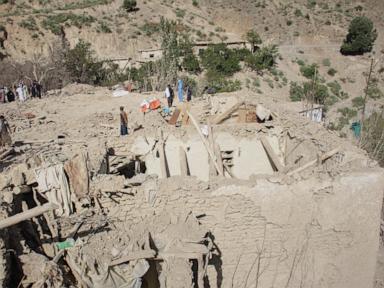
A shepherd's house in the Spera district of Khost province became a graveyard around midnight. Pakistani bombs tore through the roof, killing ten people inside a single home. Local tribal elders say the family had absolutely nothing to do with global terrorism or border insurgencies. They were just sleeping.
The UN Assistance Mission in Afghanistan (UNAMA) just verified that at least 13 civilians died during these overnight airstrikes across Khost, Kunar, and Paktika provinces. Most of the victims were women and children. Another 10 people were left wounded. In similar developments, we also covered: Why Israel's New West Bank Settlement Move Matters More Than You Think.
This isn't a minor border skirmish anymore. It's a rapidly accelerating humanitarian disaster that exposes the complete collapse of diplomacy between Islamabad and the Taliban regime. If you think this is just another routine regional dispute, you're missing the bigger picture.
The Body Count the Diplomats Try to Spin
Pakistan's government was quick to control the narrative. Information Minister Attaullah Tarar claimed the military operation was a set of precise, intelligence-led strikes aimed at "Fitna al-Khwarij"—the state's new official term for the Tehrik-i-Taliban Pakistan (TTP). Islamabad insists they wiped out 26 militants and destroyed a training center and an ammunition cache. The New York Times has provided coverage on this important subject in extensive detail.
But the view from the ground looks completely different. Taliban spokesperson Zabihullah Mujahid countered with a grim breakdown of the dead: 11 children, one woman, and one elderly man. UNAMA's independent verification lends massive weight to the Taliban's version of events, confirming that civilian homes bore the brunt of the kinetic action.
The strategic friction between these two nations isn't new, but the intensity is breaking records. A UN Secretary-General report earlier this year noted that hostilities between the Taliban and Pakistan caused 764 civilian casualties in just a two-month window between late January and March. That toll included 372 deaths. This latest round of bombing shatters a fragile, months-long lull that China tried to broker back in March.
Why the Former Allies are Now at War
To understand why this is happening right now, you have to look at the massive strategic miscalculation Pakistan made back in 2021. When the Taliban took Kabul, Islamabad celebrated. They expected a compliant neighbor that would help secure their western flank.
Instead, they got the exact opposite.
The security landscape shifted dramatically. According to data from the Armed Conflict Location & Event Data Project (ACLED), militant attacks inside Pakistan have skyrocketed fourfold since the Taliban returned to power. The TTP, which shares an ideological blueprint with the Afghan Taliban, uses the porous 2,600-kilometer border as a tactical shield. They launch bloody ambushes on Pakistani security forces in places like North Waziristan, then slip back across the frontier.
Islamabad is furious because they feel betrayed. They know the Taliban won't actively crack down on their ideological brothers. The Taliban's public stance remains a flat denial; they constantly claim Afghan soil isn't being used against any neighbor. Nobody in Islamabad believes them, so Pakistan has resorted to unilateral airpower to force the issue.
The Real Cost Along the Durand Line
While politicians trade angry press releases, the everyday reality for people living along the border is brutal. The continuous military escalation has triggered large-scale internal displacement. Entire villages are packing up what they can carry and fleeing deeper into the Afghan interior to escape the threat of midnight drone strikes and jet fighters.
Worse, the border crossings have been paralyzed by frequent closures. This isn't just about halting commercial trucks; it's a chokehold on essential humanitarian aid. Afghanistan's economy is already on life support, and sealing the eastern border crossings cuts off medical supplies and food access for communities that are entirely reliant on cross-border trade.
Local patience is officially gone. Following the Khost bombing, tribal leaders openly stated that if the Taliban government cannot protect the border, the tribes will take revenge and defend themselves. That's a terrifying prospect. The introduction of localized, armed tribal militias into an already volatile mix of regular armies and terrorist factions could ignite a multi-sided conflict that nobody can control.
Where Does This Go Next
UNAMA is pleading for an immediate de-escalation, a durable ceasefire, and the immediate reopening of all border checkpoints for aid distribution. But words from New York don't stop bombs.
If you want to track where this crisis goes next, keep your eyes on two specific indicators:
- Tribal Mobilization: Watch whether the border tribes in Khost and Paktika actually start mobilizing independent militias. If they do, expect cross-border retaliatory raids that will force the Pakistani military to escalate even further.
- The Border Choke Points: Monitor the Torkham and Chaman border crossings. If they remain closed to trade for consecutive weeks, the economic fallout inside Afghanistan will trigger a brand-new wave of migration toward Central Asia and Europe.
International mediation, particularly from regional actors like Beijing or Doha, is the only realistic way to stop the bleeding. Until both sides are forced back to the negotiating table, the civilian population living along the Durand Line will continue to pay the ultimate price for a shadow war they didn't start.