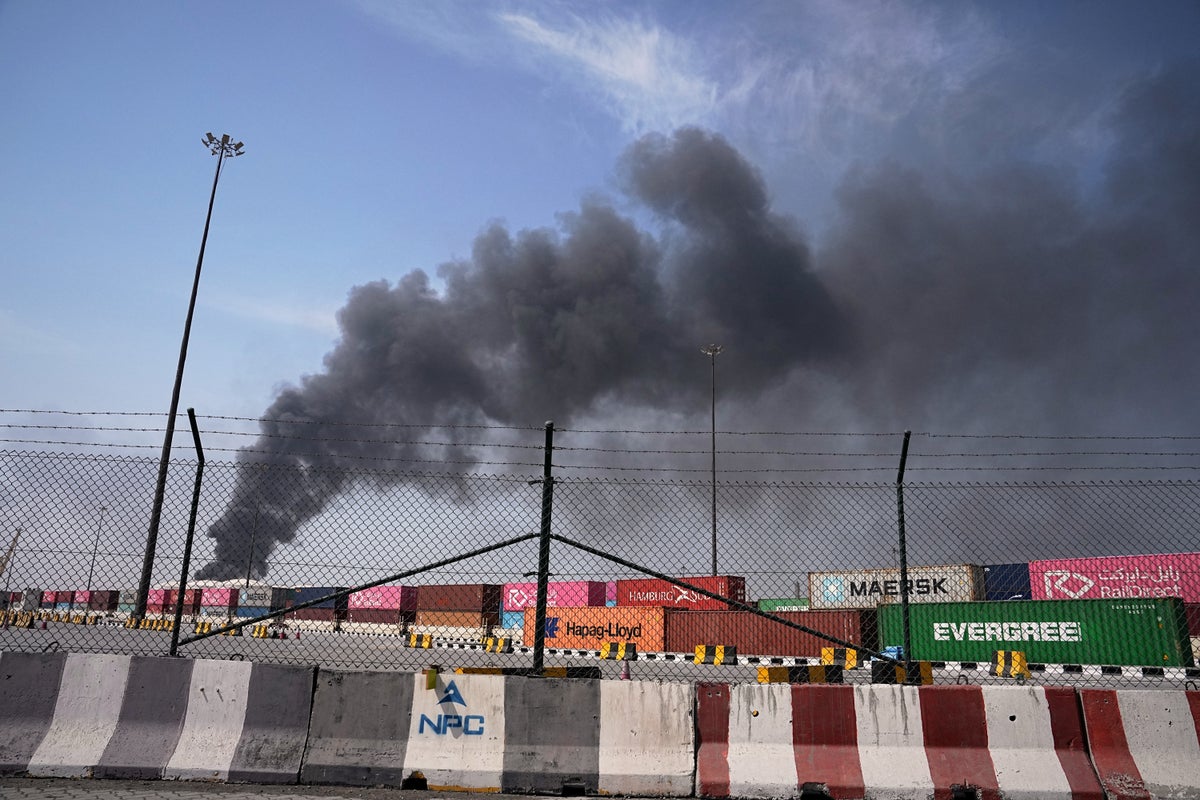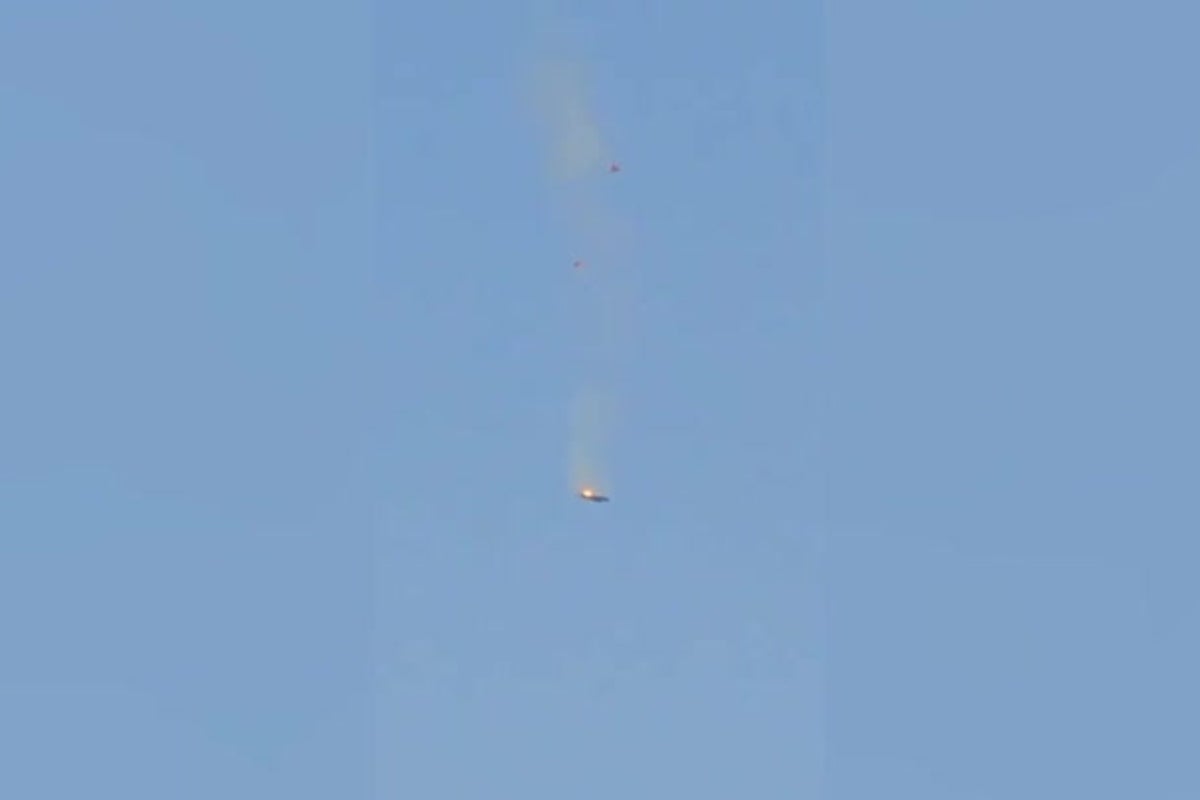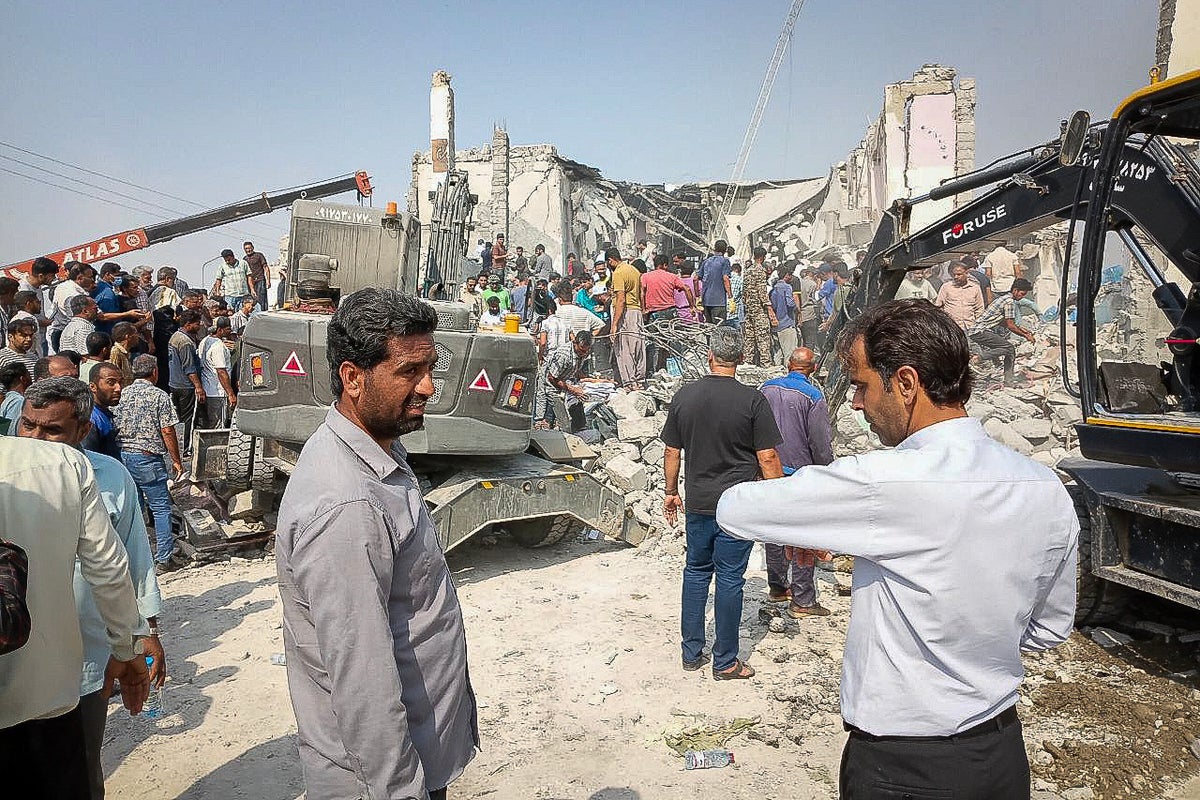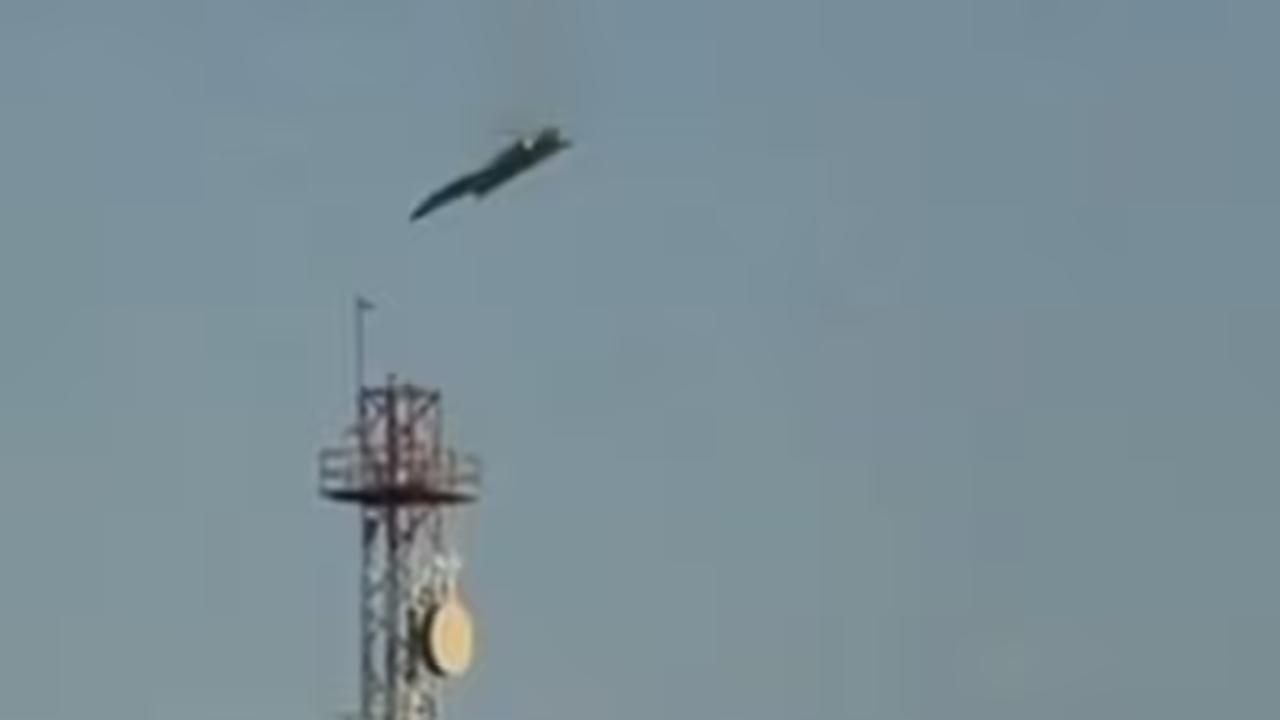
The intersection of high-tempo military sorties and extreme environmental variables creates a failure rate that often mirrors active combat losses without a single kinetic engagement. Reports of multiple American airframes crashing in Kuwait during periods of heightened US-Iran tension represent a specific failure of the Operational Readiness vs. Environmental Friction equation. To understand these losses, one must look past the headlines of "war" and analyze the mechanical and physiological stressors inherent in the Persian Gulf's unique geographic bottleneck.
The primary driver of non-combat aviation loss in this theater is not sabotage, but rather a phenomenon categorized as Compound Environmental Attrition. This occurs when three distinct variables—thermal ceiling limits, particulate ingestion, and pilot spatial disorientation—converge during high-stakes repositioning.
The Physics of Density Altitude and Lift Degradation
Aviation in the Kuwaiti theater operates under a permanent physical deficit. The efficiency of a jet engine and the lift generated by a wing are both functions of air density. In the extreme heat of the Arabian Peninsula, where surface temperatures frequently exceed 45°C, the air becomes "thin" in a way that mimics high-altitude conditions at sea level.
The Thermal Performance Gap
The thrust produced by a GE F110 or a Pratt & Whitney F135 engine relies on the mass of air moved through the core. High ambient temperatures decrease this mass, forcing engines to run at higher internal temperatures to achieve the same output. This creates two immediate vulnerabilities:
- Reduced Surge Margin: The gap between normal operation and a compressor stall narrows significantly.
- Exhaust Gas Temperature (EGT) Redline: Pilots attempting aggressive takeoffs or maneuvers in 50°C heat can inadvertently trigger automatic engine protection logic, resulting in a sudden, catastrophic loss of thrust during critical flight phases.
When "several" aircraft go down simultaneously or in quick succession, the first diagnostic check is the Density Altitude Gradient. If a flight of aircraft attempted a synchronized heavy-weight departure or low-level maneuver during a thermal peak, the margin for error effectively vanished.
Particulate Ingestion and the Silication Cycle
Kuwait’s geography introduces a relentless mechanical antagonist: fine-grain calcium carbonate and silicates. While standard filters manage larger debris, the microscopic dust of the desert acts as a glass-forming agent within the high-heat environment of a modern turbine.
The Glassification Process
When sand is ingested into a turbine operating at combat power, it reaches its melting point (approximately 1,100°C to 1,200°C) inside the combustion chamber. This molten silicate then sprays onto the cooler turbine blades and nozzle guide vanes, where it hardens into a ceramic glaze.
- Cooling Hole Blockage: Modern blades rely on "film cooling"—tiny holes that blow a layer of cool air over the blade surface. Silicate glaze plugs these holes.
- Thermal Fatigue: Once cooling is lost, the blade undergoes rapid creep deformation, leading to "uncontained engine failure" where the turbine literally disintegrates mid-flight.
A multi-aircraft crash event often points to a shared environmental exposure, such as a localized sand-wall or "haboob" that compromised the entire formation's engine integrity simultaneously. This is a systemic mechanical failure rather than a series of coincidences.
The Human Factor: Brownout and Spatial Disorientation Frameworks
The survival of the crews in the Kuwaiti incidents suggests that these were likely "controlled flight into terrain" (CFIT) or low-altitude ejections rather than high-altitude mid-air disintegrations. In the desert, the visual field is subject to Degraded Visual Environments (DVE).
The Loss of Horizon
Over the flat, featureless salt pans and dunes of Kuwait, pilots often experience a "flat light" phenomenon where the sky and ground merge into a single monochromatic void. This eliminates the peripheral cues necessary for maintaining a level flight path without constant instrument cross-checks.
- Vestibular Illusions: During high-G maneuvers or rapid turns to avoid perceived threats, the inner ear can provide false signals. Without a clear horizon, the pilot may bank the aircraft into the ground while believing they are flying level.
- The Brownout Vortex: For rotorcraft or vertical-takeoff assets (like the F-35B), the downwash kicks up a localized cloud of dust that completely obscures the pilot's vision in the final 50 feet of a landing. This creates a "hover-drift" where the aircraft tips and catches a wing or rotor on the deck.
Strategic Logistics and the Maintenance Overstretch
The political context—tension with Iran—forces an operational tempo (OPTEMPO) that breaks standard maintenance cycles. In a "surge" environment, the ratio of maintenance man-hours to flight hours (MMH/FH) often drops below the safety threshold.
The Cannibalization Trap
When parts fail due to the aforementioned heat and dust, and the supply chain cannot keep up, crews often engage in "cannibalization"—taking a working part from one jet to fix another. This creates a "hidden fleet" of degraded assets.
- Latent Defects: A part moved from a "down" aircraft may have underlying stress fractures not visible to field inspections.
- Configuration Errors: Rapidly swapping components increases the probability of human error in torque settings or seal alignments.
The loss of multiple aircraft in a non-combat zone is frequently the "tail" of a long logistics curve. The aircraft didn't just fail in the air; they were failing on the tarmac weeks prior due to the sheer friction of the deployment.
Geopolitical Implications of Attrition Without Combat
The loss of airframes in a sensitive theater like Kuwait serves as a massive intelligence windfall for adversaries, regardless of whether a shot was fired.
The Signal vs. Noise Ratio
For Iranian intelligence, these crashes provide a roadmap of US operational limits. By tracking the location, airframe type, and environmental conditions of the crashes, an adversary can calculate the "Effective Readiness Ceiling" of US forces. They learn exactly how much heat and dust the current generation of stealth coating or turbine blades can handle before the system reaches a breaking point.
The Economic Burn Rate
Modern stealth aircraft represent a concentrated capital investment. The loss of a single F-35 or even an older F-15E represents a $80M to $120M loss that cannot be quickly replaced due to the "cold" status of many defense production lines. Attrition through environmental friction is an asymmetrical victory for a regional power; they force the superpower to spend its "high-end" capital just to maintain a presence in a hostile climate.
Critical Action: The Hard-Surface Pivot
To mitigate further non-combat losses in the Kuwaiti or broader CENTCOM theater, the operational strategy must shift from a "Surge and Maintain" model to an Aggressive Rotation Framework.
The current reliance on forward-deployed assets in high-salinity, high-dust environments is a losing mathematical proposition. The immediate tactical play is the implementation of Dynamic Force Employment (DFE), where aircraft are kept in "clean" environments (Europe or CONUS) and cycled into the theater for shorter, high-intensity windows rather than long-term stationing.
Maintenance units must also move away from reactive repairs to Predictive Component Lifing, utilizing onboard sensor data to pull engines before the silicate glaze reaches the critical blockage threshold. If the US military continues to treat the Kuwaiti environment as a neutral backdrop rather than an active, corrosive antagonist, the attrition rate will eventually eclipse the losses of a kinetic conflict, hollowing out the fleet through sheer environmental friction.