The Architecture of Silence
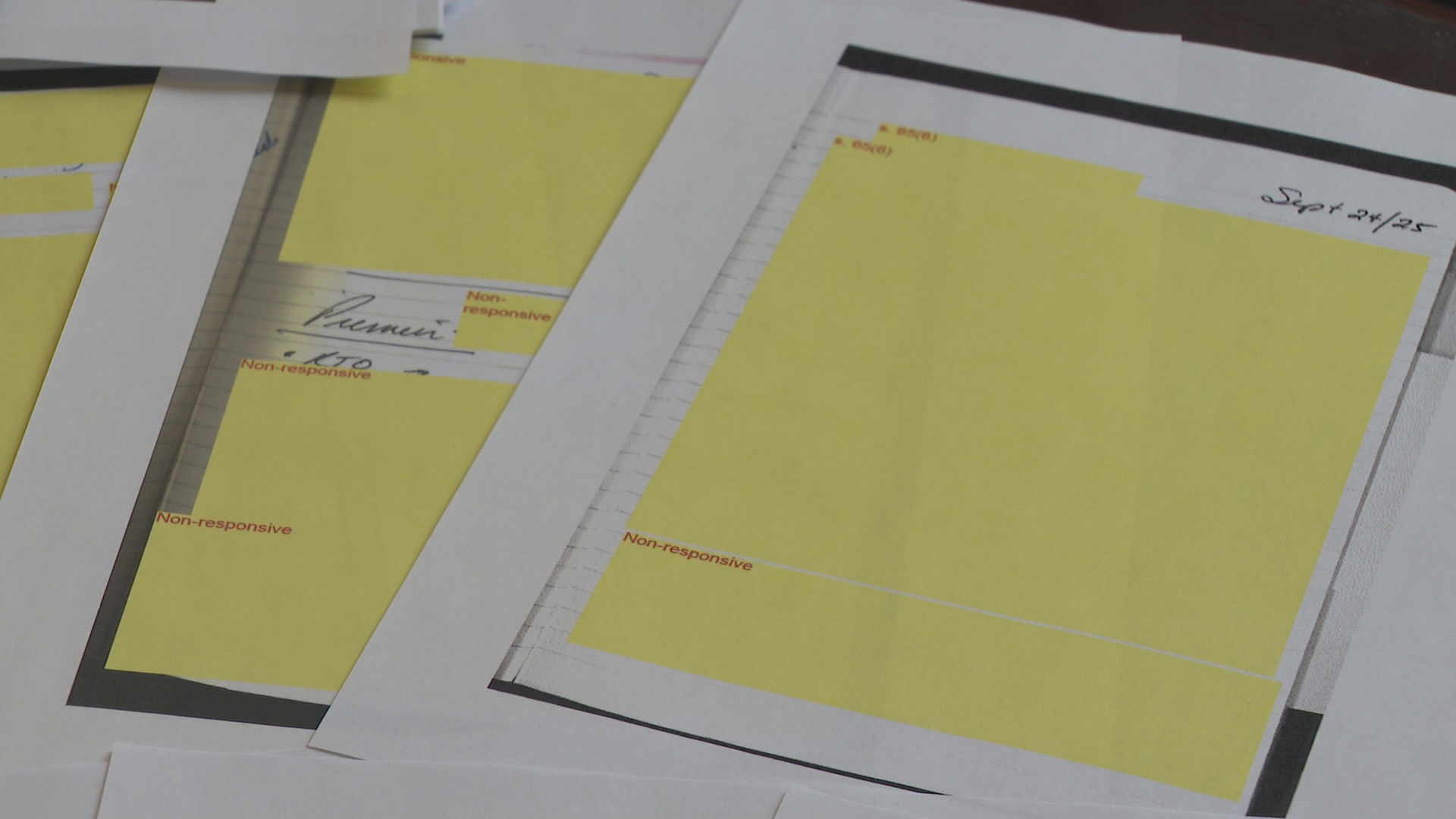
Government transparency is supposed to be the bedrock of a functioning democracy, but in Ontario, that bedrock is currently being covered in thick, black ink. When the provincial government issued a mandate forcing thousands of public servants back into physical office spaces, it didn't just ruffle feathers—it sparked a legal and logistical firestorm. Yet, when journalists and watchdogs asked to see the rationale behind the move, they were met with a document so heavily redacted it looked like a Rorschach test.
Almost every word written by the province’s top civil servant regarding the return-to-office strategy has been scrubbed from public record. This isn't just a matter of administrative preference. It is a deliberate suppression of the data, risks, and internal warnings that preceded a decision affecting roughly 60,000 employees. The shroud of secrecy suggests that the "why" behind the mandate isn't based on productivity or service delivery, but on something the government is desperate to keep off the front pages. Also making headlines in this space: The Mechanics of Strait of Hormuz Mine Clearance.
The Blackout at the Top
Michelle DiEmanuele, Secretary of the Cabinet and the highest-ranking civil servant in Ontario, authored the memo in question. In any other corporate or public setting, such a document would outline the logistical hurdles, the cost-benefit analysis of real estate versus remote work, and the projected impact on employee retention. Instead, the version released through Freedom of Information (FOI) requests is a ghost.
Large-scale redactions are typically reserved for matters of national security or trade secrets. Using them to hide a human resources policy is an aggressive use of executive privilege. It forces us to ask what, exactly, is being protected. Is it the fact that the government’s own data shows remote work was successful? Is it a frank admission that the mandate was designed to appease commercial real estate interests in downtown Toronto? By hiding the text, the Ford government has turned a standard policy shift into a scandal of optics. Additional information into this topic are covered by The New York Times.
Commercial Real Estate and the Ghost of the Financial District
To understand the mandate, you have to look at the map. The Toronto skyline is a forest of glass and steel, much of it owned by massive pension funds and real estate investment trusts. For three years, these buildings sat largely empty. The economic ecosystem surrounding them—the subterranean food courts, the dry cleaners, the transit systems—stalled.
The "return to office" isn't a productivity move. It's a real estate bailout.
- Foot Traffic Strategy: The provincial government acts as an anchor tenant for the city. If the government allows its workforce to stay home, it signals to the private sector that the era of the five-day commute is over.
- The Transit Crisis: Metrolinx and the TTC rely on ridership. A remote workforce is a direct threat to the revenue models of multi-billion dollar infrastructure projects.
- Tax Base Preservation: Municipalities depend on the high property taxes generated by occupied office towers. If those towers lose value, the tax burden shifts to homeowners.
By forcing civil servants back into the core, the province is effectively using its employees as economic stimulus packages. They aren't going back to work to be more efficient; they are going back to buy $16 salads and pay for parking.
The Productivity Myth
The official line from the Premier’s office has leaned heavily on the idea of "collaboration" and "culture." This is the standard corporate script used when the data fails to support a physical presence. Numerous studies, including those conducted during the peak of the transition, showed that public service delivery did not crater during the remote work era. In many cases, it improved.
When you remove a two-hour daily commute, people tend to work more, not less. They are also less likely to burn out. The Ontario government knows this. If the redacted memos contained proof that productivity was actually higher under a hybrid model, releasing them would make the current mandate look irrational. Silence is the only tool left when the facts don't align with the political agenda.
A Legal Minefield for Labor Relations
The redactions haven't just frustrated the press; they have weaponized the unions. Organizations like the Ontario Public Service Employees Union (OPSEU) are now operating in a vacuum of information. When a government refuses to provide the "why," it opens the door for grievances and bad-faith bargaining claims.
The Cost of Discontent
If the province wants a high-performing civil service, it generally helps to not treat them like untrusted subordinates. The current strategy has led to:
- Brain Drain: Top-tier talent in IT, legal, and policy sectors can easily jump to private firms that offer permanent remote or flexible options.
- Recruitment Failures: Why would a specialist move to the most expensive city in the country to sit in a cubicle for work they could do from a home office in London or Kingston?
- Space Shortages: In a bizarre twist of irony, while the government demands a return to the office, it has also been divesting from real estate. Reports have surfaced of employees returning to buildings that no longer have enough desks to hold them.
This creates a "hot-desking" nightmare where workers spend the first thirty minutes of their day hunting for a chair. This is the opposite of efficiency. It is performative management at its most expensive.
The Freedom of Information Farce
The state of Ontario’s FOI system is currently a joke. What was designed as a window into the inner workings of power has become a brick wall. The use of "Cabinet Confidentiality" as a blanket shield for any inconvenient document is a tactic that has been perfected under the current administration.
When a journalist receives a page that is 95% black bar, the system has failed. The Information and Privacy Commissioner of Ontario often lacks the teeth to force immediate disclosure, leading to years of appeals. By the time a document is finally ordered to be unredacted, the news cycle has moved on, the policy is entrenched, and the accountability is gone. This "delay and redact" strategy is a feature, not a bug.
Why This Matters Beyond Ontario
This isn't just a local story about bored bureaucrats. It is a case study in the post-pandemic power struggle. Governments and corporations across the globe are watching Ontario. They want to see if a workforce can be coerced back into the 2019 status quo through sheer administrative force and information suppression.
If Ontario succeeds in hiding the truth behind this mandate, it sets a precedent for every other province and municipality. It signals that "evidence-based policy" is a thing of the past, replaced by "optics-based decree."
The Empty Desk Policy
The government is currently paying for thousands of square feet of office space that it doesn't need, while simultaneously fighting a workforce that has proven it can function without it. The cost to the taxpayer is twofold: the literal cost of the leases and the hidden cost of a demoralized, less efficient public service.
The redacted memo is the smoking gun. If the reasons for the return-to-office mandate were sound, they would be shouted from the rooftops. They would be used to justify the policy in the court of public opinion. Instead, they are hidden behind a wall of ink.
The province isn't protecting secrets; it is protecting a narrative. They have bet that the public won't care about the "how" as long as they see people back in the towers. But as the legal challenges mount and the talent continues to leak out of the civil service, the cost of that black ink is going to become impossible to hide.
Demand for the full memo isn't about curiosity. It’s about ensuring that the people running the province aren't making multi-billion dollar decisions based on the whims of real estate lobbyists and outdated management philosophies. For now, the ink remains dry.