The global energy supply chain is currently facing its biggest test since the war erupted on February 28. If you think global shipping firms are hiding in safe harbors waiting for a peace deal, you are wrong. Captains are playing a dangerous game of chicken in the Middle East right now.
On Thursday, 42 massive commodity vessels steamed straight through the Strait of Hormuz. They did this despite a barrage of explicit warnings from Tehran. They did this even after a projectile slammed into a Singapore-flagged container ship just hours earlier. This isn’t just business as usual. It is a calculated, high-stakes gamble that tells us exactly who really controls the global economy. Meanwhile, you can read related developments here: Why the Israel Lebanon Framework Agreement is Not a Peace Deal Yet.
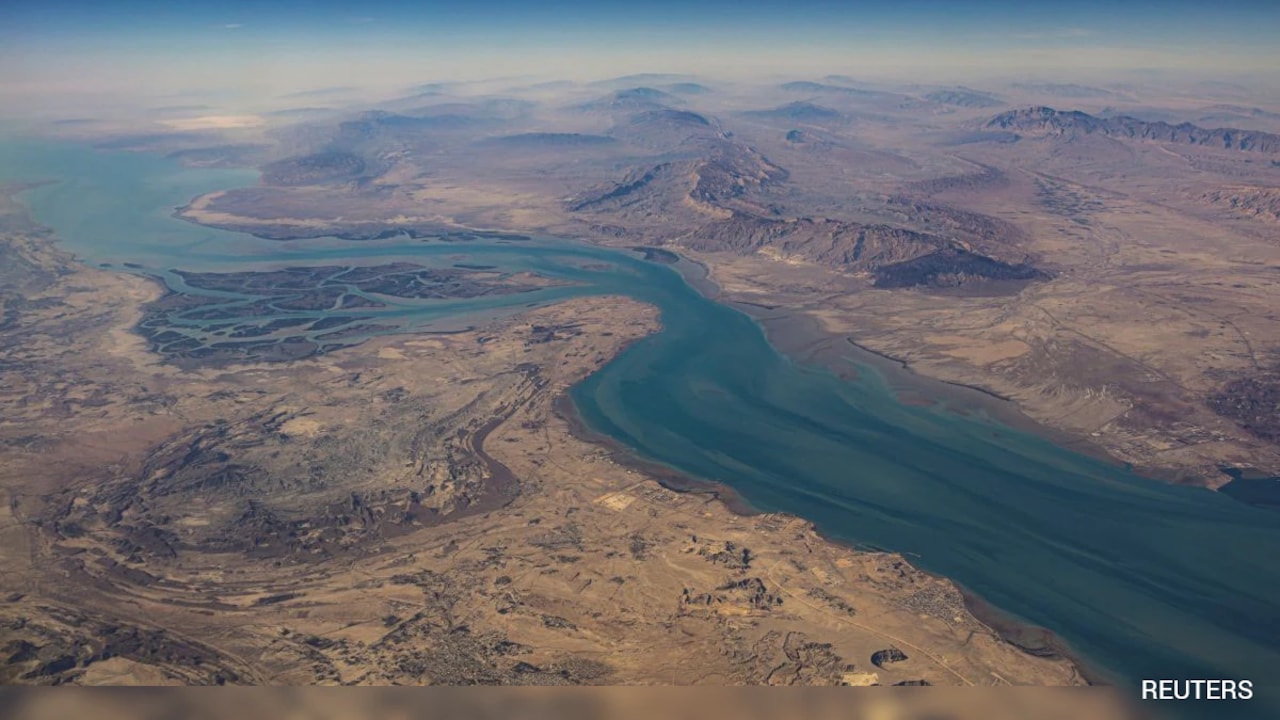
People want to know if the oil lanes are collapsing or if shipping insurance rates will break the global markets. The short answer is no, the lanes aren't dead, but the old rules are entirely gone. Shipping companies are bypassing Iranian-controlled waters by hugging the rugged coastline of Oman. It is a desperate, makeshift solution that has turned a narrow strip of water into a geopolitical tinderbox.
The Secret Omani Path That Defies Tehran
Iran claims it has absolute control over who enters and exits the Persian Gulf. After the US-Israeli strikes in late February, the Islamic Revolutionary Guard Corps planted mines in the traditional central shipping channels. They wanted to shut down the choke point. They wanted the ultimate bargaining chip in peace negotiations. For a while, it worked. Daily ship transits plummeted from a pre-war average of 130 down to a trickle. To explore the bigger picture, we recommend the detailed article by NPR.
Then Oman and the UN International Maritime Organization stepped in. They quietly mapped out an alternative southern corridor. This route sits comfortably inside Omani territorial waters, keeping vessels close to the Musandam peninsula.
Look at the tracking data from Kpler. On Wednesday, traffic hit a post-war high of 57 transits. By Thursday, that number adjusted down to 42 vessels, but the momentum did not stop. Ten of those ships entered the Gulf. Thirty-two exited, carrying oil, natural gas, and dry bulk commodities like fertilizers. Exactly half of those 42 crews looked at Iran’s threats, decided the risk was worth the payout, and steered right into the Omani passage.
This route is tight. It requires precise navigation. It brings giant, two-million-barrel tankers remarkably close to the cliffs of Oman. Shipping companies don't choose this route because it is easy. They choose it because the central lanes are a minefield.
What Happened to the Ever Lovely
If you think this alternative corridor is a magic bullet, look at what happened on Thursday afternoon. The Ever Lovely, a Singapore-flagged container ship operated by Taiwan’s Evergreen Marine, was cruising along the Omani coast. Out of nowhere, an unknown projectile struck the vessel.
The United Kingdom Maritime Trade Operations center picked up the distress signal. US officials later confirmed that Iranian forces fired on the ship. Thankfully, nobody died. The ship sustained minor damage and managed to limp out of the strait under its own power.
The political fallout was instant. Iran’s newly formed Persian Gulf Strait Authority went straight to social media to disavow the strike while simultaneously shifting the blame. They posted that any transit outside Iran's approved channels happens at the sole risk of the owner and operator. They refuse to guarantee safe passage.
This is classic gray-zone warfare. You fire a projectile to terrify the market, then you release a statement claiming you are just protecting maritime order. It is an intimidation tactic meant to scare off the international crews trying to break the blockade.
The UN Freezes Its Rescue Mission
The attack on the Ever Lovely had immediate consequences for a massive humanitarian and commercial effort. The International Maritime Organization had been running an evacuation program to rescue hundreds of ships and thousands of mariners stranded inside the Gulf since the war started.
Before the strike, the UN operation successfully freed 115 vessels and over 2,500 seafarers. It was a massive logistical victory. But right after the Singaporean ship was hit, the head of the IMO put the entire evacuation on ice.
The UN cannot send civilian crews into a live shooting zone without ironclad security guarantees. This pause is a major win for Tehran. It proves that a single well-placed drone or missile can halt an entire international agency in its tracks.
Now, hundreds of hulls remain trapped behind the line, waiting for the UN to negotiate a new security framework. Shipowners are growing impatient. Some aren't waiting for the UN to restart the program. They are hiring private maritime security or trusting Western naval escorts to slip through during the night.
Marco Rubio and the Battle Over Shipping Tolls
The maritime standoff is not just about military hardware. It is about cold, hard cash. Tehran is trying to implement a brand-new scheme to charge heavy tolls on every single commercial vessel crossing the Strait of Hormuz. They view the strait as their property, and they want the world to pay for its upkeep and security.
Washington is furious about this. US Secretary of State Marco Rubio recently wrapped up a high-profile tour of the Gulf states to reassure jittery allies like Saudi Arabia and the UAE. Rubio did not mince words. He publicly dismissed the idea of Iranian transit fees, warning that if the international community allows Iran to tax the global supply chain, it will lead to total chaos.
The Gulf Cooperation Council stands firmly with the US on this point. In a joint statement, Rubio and regional leaders demanded free, unconditional, and unrestricted navigation. They made it clear that any lasting peace agreement must force Iran to dismantle its toll systems and stop its drone harassment.
Iran's Deputy Foreign Minister, Kazem Gharibabadi, fired back on social media. He stated that safe passage cannot be guaranteed under ambiguous, parallel routes created by Oman and the UN. From Tehran’s perspective, any decision made without their explicit approval is a violation of their coastal sovereignty. They believe the US military presence is the root cause of the region’s instability.
Why Oil Markets Aren't Panicking Yet
You would expect oil prices to skyrocket to $150 a barrel under these conditions. Surprisingly, the opposite is happening. Crude prices actually dipped slightly below their pre-war baseline of $73 per barrel.
Traders are looking past the daily skirmishes. The market sees that despite the attack on the Ever Lovely, ships are still moving. If 42 major commodity vessels can navigate the strait in a single day during a hot diplomatic dispute, the blockade is fundamentally failing.
Major energy players are adapted to the risk. For example, shipping data shows that Saudi Arabia’s state-owned shipping arm, Bahri, recently sent two Very Large Crude Carriers to load up at the Ras Tanura terminal on the kingdom's eastern coast. Each of those tankers can hold two million barrels of oil. They are sitting just west of the strait, preparing to make the transit.
South Korea is also managing its exposure carefully. South Korean President Lee Jae Myung confirmed that while several of their vessels successfully cleared the strait last week, their remaining ships are scheduled to exit over the weekend. The global economy is proving to be incredibly resilient. Companies are paying higher insurance premiums, but they are not stopping the flow of oil.
The Real Risk for Global Supply Chains
The danger here is not a total halt of global trade. The real risk is a slow, grinding escalation that wears down merchant mariners. When you talk to people in the shipping industry, the biggest complaint is not the cost of fuel or the threat of a missile. It is the psychological toll on the crews.
Sailing a 300-meter crude tanker through a narrow passage while knowing that an armed drone could strike your bridge at any second is terrifying. If international unions refuse to man these routes, the Omani passage will dry up regardless of what Oman or the UN says.
The current framework ceasefire talks between the United States and Iran are dragging on. The two sides are fighting over nuclear inspections, financial sanctions relief, and the ongoing conflict in Lebanon. Until those high-level political chips fall into place, the Strait of Hormuz will remain a shooting gallery.
If you are managing logistics or investing in energy markets, do not rely on the idea of a peaceful, open ocean. Assume the Omani route will remain contested. Prepare for sudden, temporary spikes in freight insurance whenever a ship gets hit. The alternative corridor proves that international trade will always find a crack in the wall, but it comes with a price tag written in blood and iron.
Keep your eyes on the daily Kpler transit numbers. If those numbers drop consistently below 30 transits a day, it means the risk has finally outpaced the reward for the big shipping houses. Until then, the tankers will keep moving, the captains will keep sweating, and the Omani coastline will remain the most critical piece of geography on the planet.