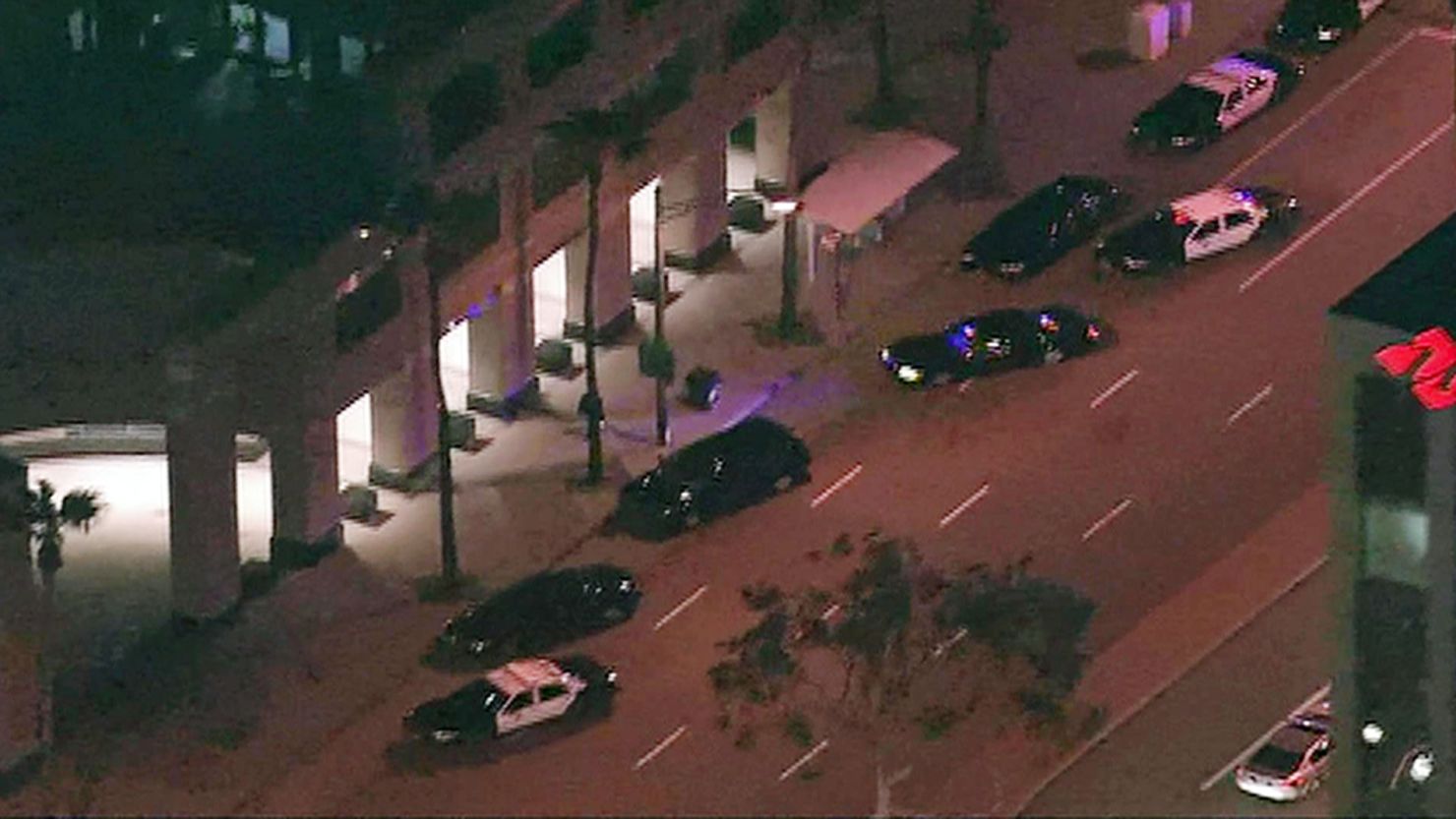
Federal agents opened fire in a quiet Northern California neighborhood and the official story isn't matching up with what witnesses saw. It's a messy situation. When U.S. Immigration and Customs Enforcement (ICE) officers tried to detain a man in Napa County, bullets flew before the suspect even put his car in gear. This isn't just a local crime report. It's a look at how aggressive federal tactics are becoming in "sanctuary" regions.
We're told these agencies follow strict protocols. We're told they only use force when threatened. But the legal team representing the man involved tells a different story. They say the agents fired first. This contradicts the usual narrative that shooting happens during a high-speed chase. In this case, the shots allegedly started the confrontation.
The Morning Everything Went Sideways in Napa
It started like any other morning. Law enforcement arrived to execute a routine operation. Then, the silence broke. Neighbors reported hearing multiple rounds. The man at the center of this wasn't an armed fugitive reaching for a weapon. According to his attorney, he was sitting in his vehicle.
The defense claims the man tried to flee only after the agents started shooting at him. Think about that for a second. If you're sitting in your car and unidentified or aggressive individuals start blasting your windows, your instinct is survival. You hit the gas. You don't wait to ask for credentials.
This specific incident happened in a region where local police and federal agents often have a strained relationship. California's SB 54, the "Values Act," limits how much local cops can help ICE. This means federal agents often work in a vacuum. They don't have the local backup or the neighborhood knowledge that city police do. They operate with a "boots on the ground" intensity that can escalate quickly.
Dissecting the Claim of Self Defense
ICE usually claims their agents act in self-defense. It's the standard line. They'll say the vehicle was used as a weapon. They'll say the suspect "rammed" a government car. But the physical evidence in this case—where the bullet holes are and the timing of the shots—might prove otherwise.
Legal experts look at "split-second decision making." The Supreme Court case Graham v. Connor set the standard for "objective reasonableness." It says we can't judge an officer's actions with 20/20 hindsight. We have to look at what they knew in the moment. However, "reasonableness" doesn't cover firing on a stationary vehicle before a threat exists.
If the attorney's version holds water, the agents didn't respond to a threat. They created one.
Why the Sanctuary State Narrative Matters
You can't talk about this without talking about politics. Federal agencies feel like they're working behind enemy lines in Northern California. This creates a siege mentality. When agents feel unsupported by local law, they tend to over-rely on force to maintain control.
Residents in these areas are caught in the middle. You have a right to feel safe in your driveway. That safety is compromised when federal operations look more like combat zones than law enforcement actions. The lack of body camera footage in many ICE operations makes this even worse. While local police departments have moved toward total transparency, federal agencies have been slower to adopt universal body cam use. This leads to "he-said, she-said" legal battles that drag on for years.
The Real Numbers on ICE Use of Force
Data on federal shooting incidents is notoriously hard to track. Unlike local departments that report to a central database, federal agencies often handle internal investigations behind closed doors. We do know that "encounters" have increased in frequency since 2023.
Most of these arrests go off without a hitch. They're boring. They're administrative. But when they go wrong, they go spectacularly wrong. In the Napa incident, the fact that the suspect survived is a miracle. Usually, when federal agents decide to use their firearms, the outcome is lethal.
What Happens When the Smoke Clears
The victim—and in this context, he is a victim of a shooting regardless of his immigration status—now faces a dual legal battle. He's fighting the underlying immigration case and a potential criminal charge for fleeing. Meanwhile, his civil rights lawyers are prepping a lawsuit against the federal government.
These lawsuits are hard to win. The "Qualified Immunity" doctrine protects federal employees from being sued personally unless they violated a "clearly established" right. Firing on an unarmed man who isn't an immediate threat should qualify. But the courts are often hesitant to second-guess agents in the field.
Moving Forward and Staying Safe
If you find yourself in a situation where law enforcement is present, you have rights. Even in a fast-moving federal operation.
Don't make sudden movements. Keep your hands visible. It sounds simple, but in a panic, people reach for phones or wallets. To an agent on edge, a black smartphone looks like a grip of a 9mm. If you're in a car, keep your hands on the steering wheel.
Document everything. If you're a bystander, film from a safe distance. Don't interfere, but don't look away. The only reason we're even questioning the ICE narrative in Napa is because people spoke up. Without witnesses and aggressive legal representation, the official press release becomes the only truth.
Check the status of local "Know Your Rights" workshops if you live in a high-activity area. Organizations like the ACLU and the National Immigration Law Center provide specific protocols for these exact scenarios. Information is the only thing that levels the playing field when the federal government shows up at your door.
The Napa shooting isn't an isolated mistake. It's a symptom of a broken system where the line between "enforcement" and "assault" has become dangerously thin. We need to demand the same level of accountability from federal agents that we expect from our local beat cops. No more secret investigations. No more unrecorded shootings.
If you or someone you know has been involved in a federal enforcement action that turned violent, contact a civil rights attorney immediately. Don't wait for the government to finish their internal review. They aren't looking to find themselves at fault. You need an independent investigation to get the truth.


