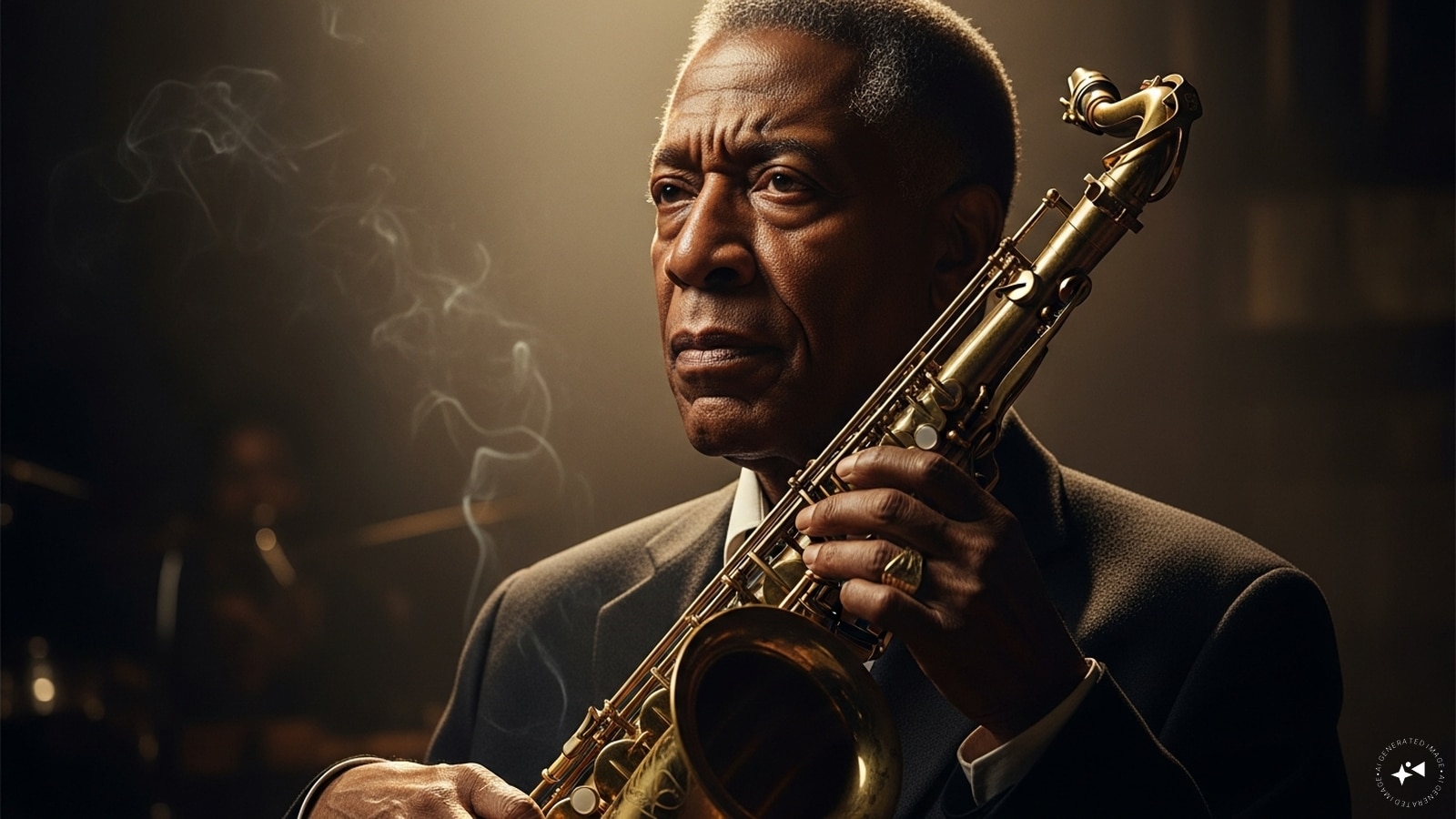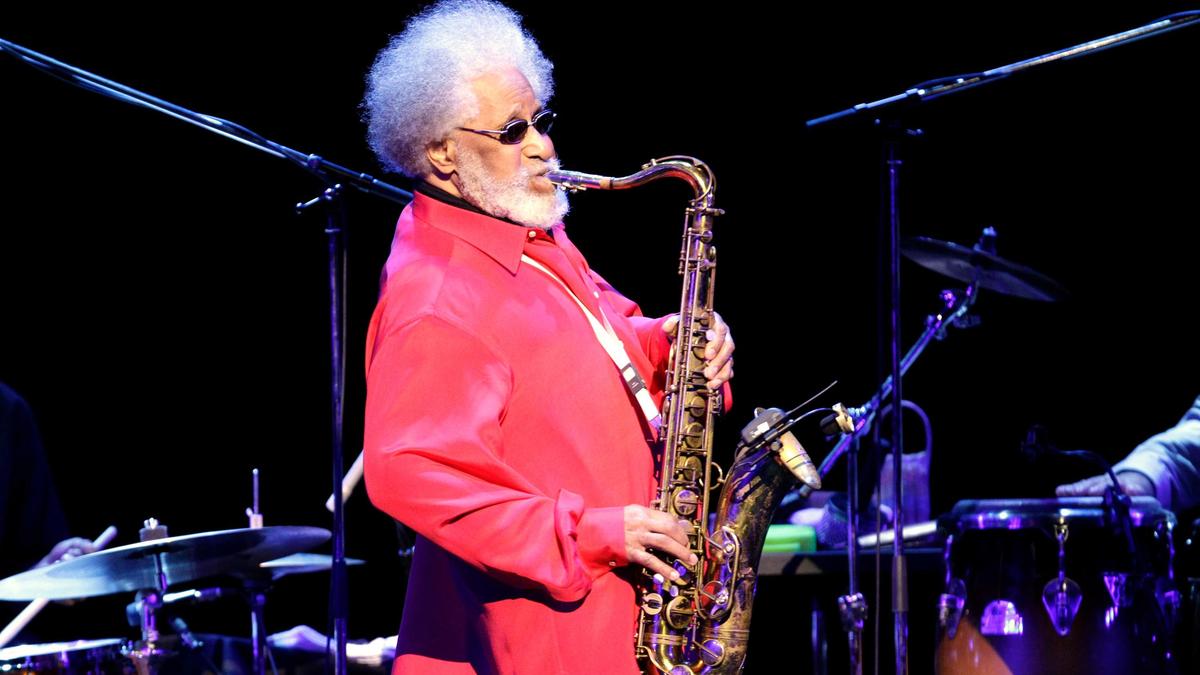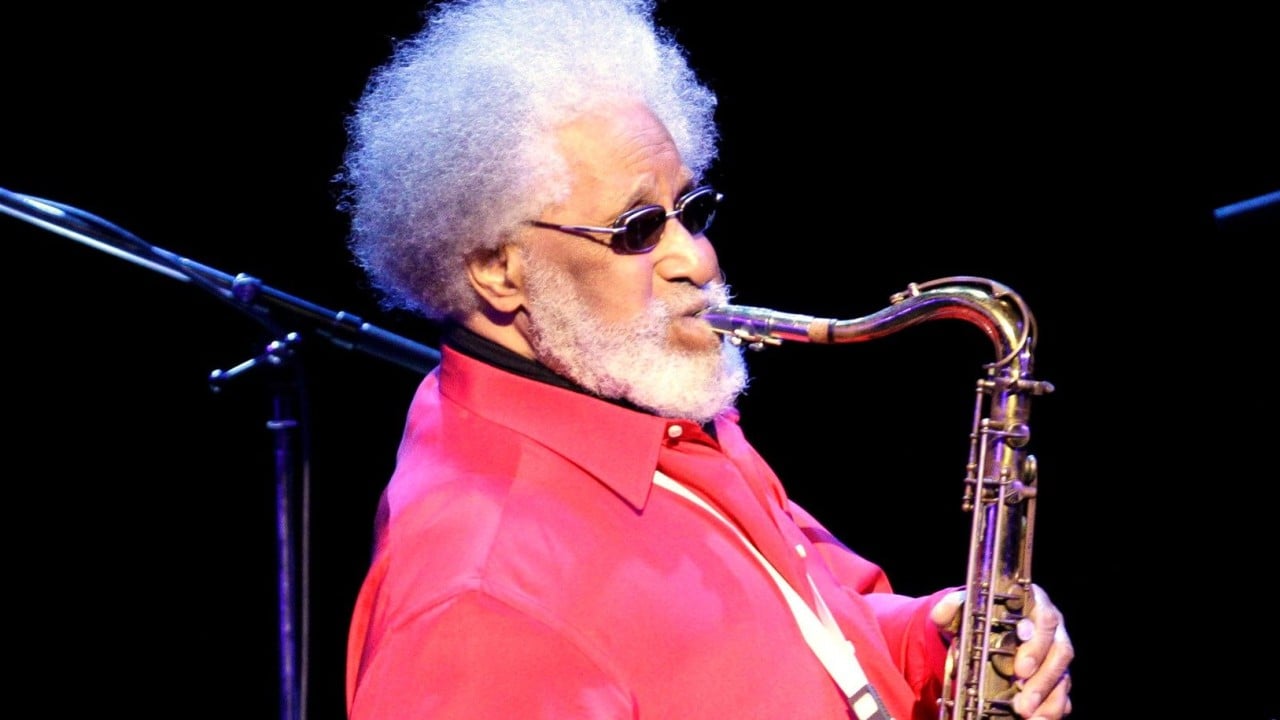
The wind off Lake Michigan does not care about your art. By January, it cuts through wool coats and instrument cases alike, turning fingers stiff and brass mouthpiece rims into rings of ice. To play music here, you have to want it. You have to need it.
For decades, the dominant cultural narrative pointed toward New York as the undisputed capital of jazz. It was a beautiful, expensive myth. We were told that to make it, a musician had to crowd into a subterranean Manhattan club, pay four thousand dollars a month for a closet in Brooklyn, and compete for the scraps of a legacy built sixty years ago. But myths dry up when they lose their connection to everyday people.
Something shifted. If you walk into a nondescript room on Chicago’s South Side on a Tuesday night, you won't find a museum curation of the past. You will find a sweaty, crowded, boundary-pushing reality. Chicago has quietly become the most vital, dangerous, and exhilarating jazz scene in America.
It did not happen by accident. It happened because Chicago offers the one thing creative genius requires but rarely receives in America’s coastal mega-cities: room to breathe.
The Economics of Obsession
Consider a hypothetical saxophonist. Let’s call her Maya. She is twenty-four, possesses a technical facility that would make Charlie Parker smile, and has exactly three hundred dollars left in her bank account.
If Maya lives in New York or Los Angeles, her days are spent hustling through three different non-musical jobs just to afford rent. Her creative energy is cannibalized by survival. When she finally gets on stage at midnight, she is exhausted. She plays it safe. She plays what the tourists expect because the club owner cannot risk losing a single table. Risk is a luxury the coast can no longer afford.
Now look at Chicago.
Maya rents a spacious apartment in Logan Square or Pilsen for a fraction of the cost. She can afford a dedicated practice space. More importantly, the local venues are not beholden to the crushing real estate pressures of Manhattan. Because the overhead is lower, the stakes change. Suddenly, failure is allowed. When failure is allowed, experimentation thrives.
The numbers bear this out. Over the past decade, Chicago’s neighborhood-based arts funding and lower cost of living have created a sanctuary for working musicians. According to economic development data, the city’s dense network of independent venues allows a musician to gig four nights a week without ever leaving a five-mile radius. It is a self-sustaining ecosystem.
But the real transformation lies elsewhere. It is found in the way the city’s geography shapes its sound.
The Long Shadow of the Green Mill
To understand why this music feels different here, you have to understand the physical spaces. This is not a city of polite, velvet-roped jazz lounges where patrons sip thirty-dollar cocktails in reverent silence.
Take the Green Mill Cocktail Lounge in Uptown. The neon sign outside has hummed with the same erratic buzz since the days when Al Capone ran the booths. The wood is stained with a century of spilled whiskey and cigarette smoke. When the band steps onto the small stage behind the bar, they are close enough to touch the audience. There is no distance. There is no pretense.
On any given night, you might hear a set that begins with a traditional hard-bop rhythm and dissolves into avant-garde electronic noise, only to resolve into a sweeping, gospel-infused melody. The crowd does not politely clap at the end of a technically proficient solo out of obligation. They shout. They lean in.
This brings us to an uncomfortable truth about modern jazz. In many places, the genre has become academic. It has been institutionalized, scrubbed clean, and presented in concert halls to audiences who treat it like chamber music. It is technically flawless and emotionally dead.
Chicago refuses to let jazz grow old gracefully. Here, the lineage stretching from Louis Armstrong’s migration northward to the radical experimentation of the Association for the Advancement of Creative Musicians (AACM) in the 1960s is a living document. The AACM’s motto—"Great Black Music: Ancient to the Future"—remains the operational philosophy of the city.
The Invisible Interlock
Walk into the Velvet Lounge or Hungry Brain on a night when the younger generation is running the stage. You will see something that defies the traditional boundaries of the genre.
The bass player might be a regular session musician for local hip-hop projects. The drummer might have spent the previous night opening for an indie rock band at the Empty Bottle. The trumpet player might be incorporating synthesizers and spoken-word poetry into a composition about redlining on the city's West Side.
This cross-pollination is unique to Chicago's creative geography. Because the scene is concentrated and collaborative rather than transactional, genres bleed into one another. You cannot isolate the jazz scene from the city’s blues heritage, its vibrant hip-hop community, or its deep history of house music. They all feed the same monster.
It can be disorienting for purists. It should be. Jazz was never meant to be a preservation project. It was born in the dirt, the heat, and the friction of human collision. When a scene becomes too wealthy, too comfortable, or too focused on its own history, that friction disappears. Chicago remains beautifully, stubbornly rough around the edges.
The Price of Admission
Let's be clear about the challenges. This community is not a utopia. The city is deeply segregated, a reality that reflects in the geographic distribution of venues and resources. Musicians frequently talk about the invisible walls that divide the North and South Sides, walls that require conscious, exhausting effort to dismantle.
There are nights when the venues are half-empty, when the radiator in the back of the club clanks so loudly it threatens to drown out the acoustic bass, and when the money from the door barely covers the cost of parking. It is a grueling way to make a living.
Yet, there is a fierce loyalty among the people who stay. In New York, the prevailing wisdom is that you are always looking over your shoulder for the next, bigger opportunity. In Chicago, the focus is on the room you are currently standing in. There is a collective pride in building something sustainable at home rather than exporting it to the highest bidder.
This cultural grit creates a distinct type of player. They possess a heavy, muscular tone. A willingness to play ugly if the emotion demands it. An absolute refusal to posture.
The Last Set at 2:00 AM
The rain starts around midnight, turning the asphalt of Broadway Avenue into a dark, reflective mirror. Inside the club, the air is thick with humidity and the smell of damp coats.
The band is on their third set. The casual listeners left an hour ago, leaving only the diehards, the late-shift workers, and other musicians who just finished their own gigs across town. The hypothetical saxophonist from earlier, Maya, is on the stand now.
She isn't thinking about rent anymore. She isn't thinking about her bank account or the cold walk to the Red Line train that awaits her. She is locked into a groove with a drummer she met three hours ago, pushing a melody to its absolute breaking point. The music is loud, confrontational, and deeply beautiful.
A tourist from New York sits at the end of the bar, watching the stage with a look of quiet bewilderment. He came looking for a relic of the past, a museum piece to tick off a travel itinerary. Instead, he found an earthquake.
The final note does not fade out; it stops cleanly, cutting through the room like a blade. For a second, nobody moves. The silence hangs in the air, fragile and heavy, before the small room erupts. Outside, the city keeps moving through the dark, cold and indifferent, while inside, the fire stays lit.