The World Health Organization just sounded the highest possible alarm. On May 16, 2026, the WHO declared the rapidly expanding Ebola outbreak in the Democratic Republic of the Congo a Public Health Emergency of International Concern. If you feel like you have seen this headline before, you are right. This is the 17th time the DRC has battled Ebola since 1976.
But this time, the situation is fundamentally different, and frankly, much more dangerous. Read more on a connected issue: this related article.
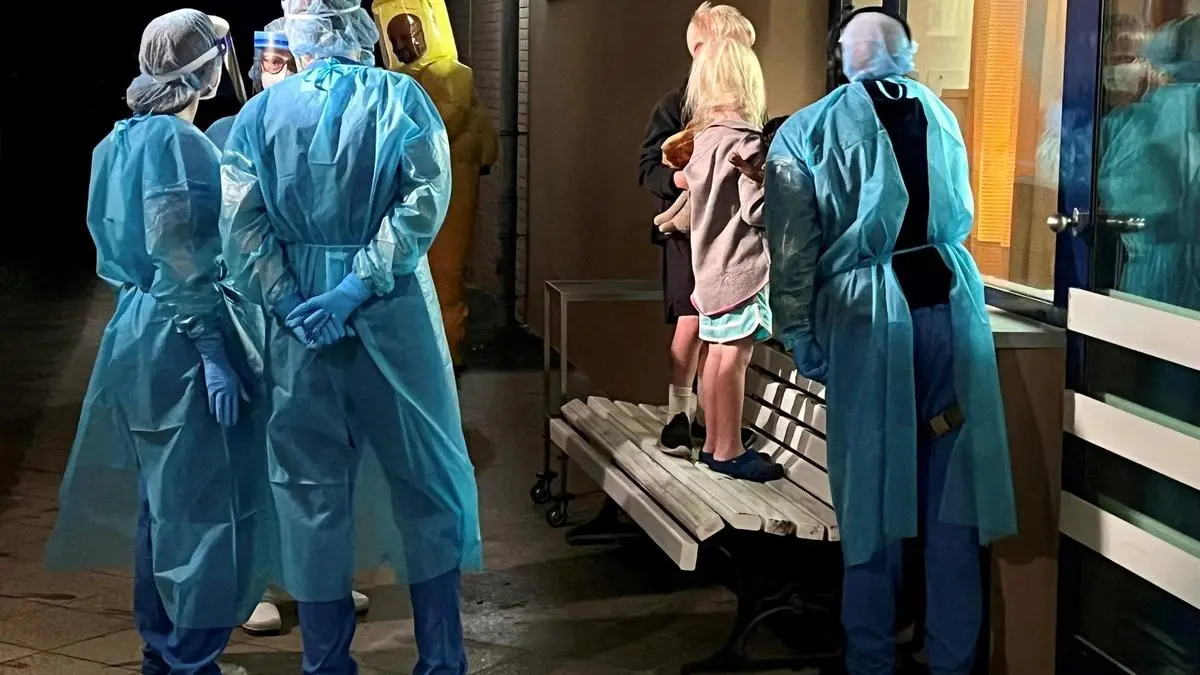
The public numbers are already jumping at a terrifying speed. As of May 21, 2026, health officials have tracked 746 suspected cases and 176 deaths in the DRC. Only 85 cases have been laboratory-confirmed across the entire response zone, which tells us that our diagnostic capacity is lagging far behind the actual virus. This is not just a localized crisis anymore. It has crossed into Uganda, where two cases hit the capital city of Kampala, and an American surgeon was recently evacuated to Germany after exposure during a medical procedure.
If you think we can just deploy the same playbook that stopped the massive 2018 outbreak, you are mistaken. The tools that saved lives back then are completely useless against the threat we are facing right now. More analysis by Healthline delves into similar perspectives on this issue.
The Invisible Strain with No Vaccine
Most people think of Ebola as a single disease, but it is a family of viruses. The massive outbreaks you read about in the past were almost always caused by the Zaire strain. Because of that historical focus, scientists successfully developed a highly effective vaccine called Ervebo to fight the Zaire variant.
This current outbreak is caused by something else entirely: the Bundibugyo virus strain.
There are zero approved vaccines for the Bundibugyo strain. There are no approved therapeutic treatments either. The highly praised Ervebo vaccine sitting in global stockpiles does absolutely nothing to protect a person from this specific version of the virus.
[Image of Ebola virus structure]
Compounding the problem, the Bundibugyo strain is incredibly sneaky. When patients first get sick, they present with standard tropical symptoms like fever, fatigue, diarrhea, and vomiting. Local clinics in the town of Bunia initially tested patients for the common Zaire strain, and the results came back negative. Because the classic, terrifying symptom of Ebola—the nosebleeds and hemorrhaging—often does not show up until the fifth day of infection, the virus quietly spread under the radar for weeks. It took sending samples across the country to a specialized lab in Kinshasa to finally realize what we were actually dealing with. By then, the spark had already become a wildfire.
A Funeral and the Tip of the Iceberg
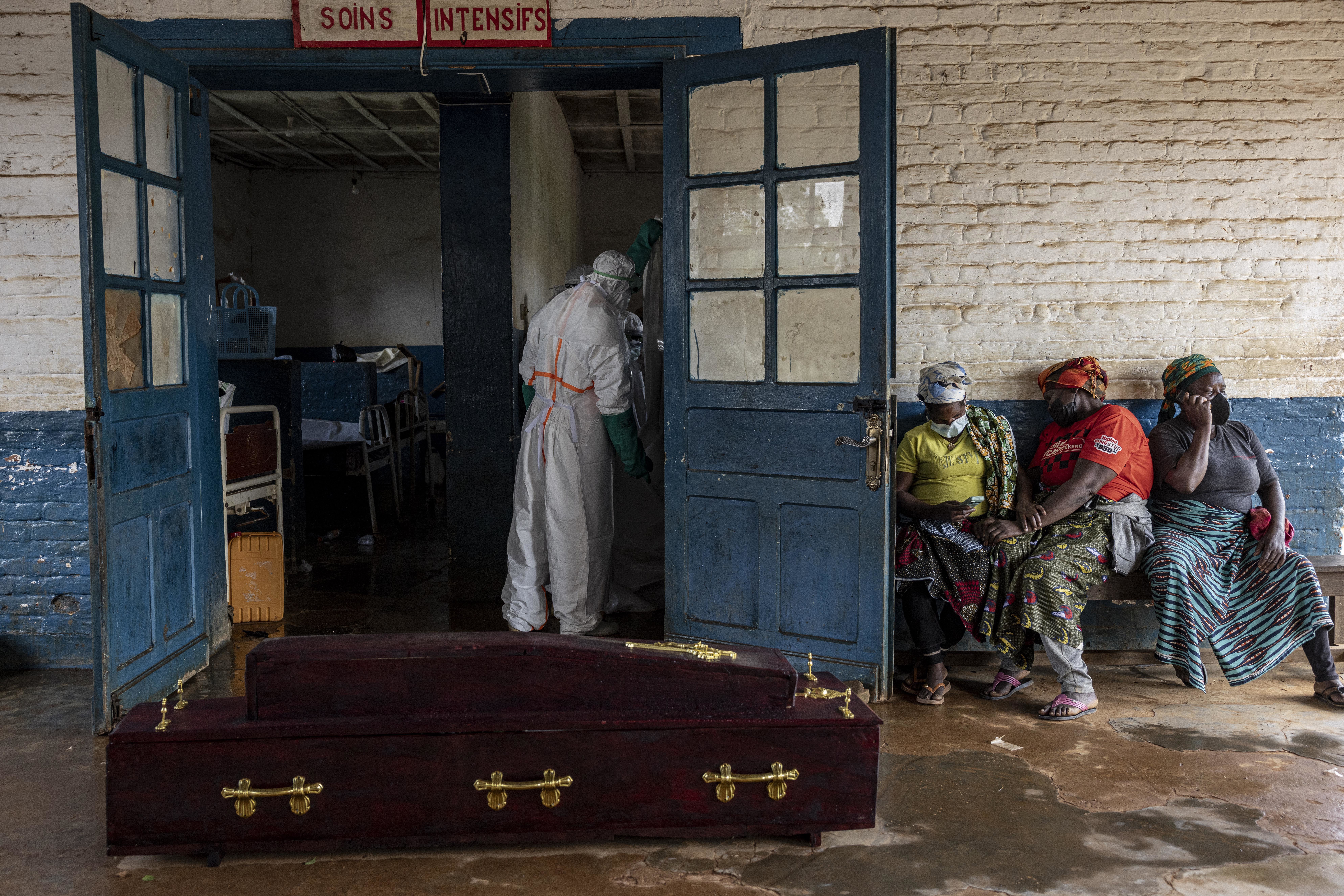
We do not know exactly who patient zero was, but the WHO tracked the explosion of the current outbreak back to a single funeral around May 5. A person died in the town of Bunia, and their body was transported to Mongbwalu inside a coffin. In a display of deep cultural respect, the family decided the initial coffin was not honorable enough. They opened it up, handled the highly infectious body, and transferred the deceased into a new coffin before the traditional burial.
That single act of communal grief triggered a massive cluster of infections.
The virus is now actively spreading across 15 health zones spanning Ituri, North Kivu, and South Kivu provinces. These names should alarm anyone who understands regional geography. This area is a volatile humanitarian crisis. The DRC has faced escalating armed conflict since late 2025, which has newly displaced over 100,000 people in the last two months alone.
When you have hundreds of thousands of terrified people moving through dense, semi-urban transit hubs like Goma and Butembo to escape violence, contact tracing becomes a near-impossible task. Health workers have identified over 1,600 contacts in Ituri province, but because of active fighting and constant population flight, they are only able to successfully track and monitor about 21% of them. The rest are completely off the grid, potentially carrying the virus into new communities.
Why the Current Mortality Rate is Deceptive
Right now, official data points to a case fatality rate of around 11% to 12% among confirmed cases. On paper, that looks low for Ebola, which historically kills up to 90% of its victims. Do not let that number comfort you.
The low mortality figure is an illusion caused by the lag in laboratory testing. The reality on the ground is that health workers are looking at an absolute shortage of basic personal protective equipment. Clinics lack gloves, masks, and proper isolation gear. Four healthcare workers have already died of viral hemorrhagic symptoms, meaning the very places meant to cure the sick are becoming points of amplification.
Local medical experts warn that the true mortality rate of this Bundibugyo surge sits somewhere between 30% and 50% under normal conditions. When you throw in collapsed local clinics, a lack of clean water, and patients who wait until they are actively bleeding before seeking help out of fear, that death rate will inevitably skyrocket.
What Needs to Happen Fast
Stopping this outbreak requires throwing out the standard playbook and shifting entirely toward rigorous, aggressive containment and local trust. Since we cannot rely on a needle to save us, the response relies completely on human behavior and resource deployment.
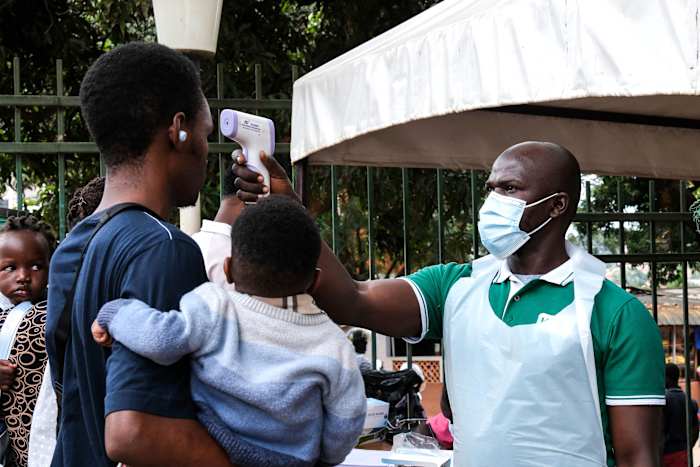
- Flooding the Border Points with Visual Diagnostics: The International Organization for Migration is setting up screening points at major border crossings, but informal, unmonitored paths between the DRC and Uganda remain wide open. International aid must immediately supply rapid diagnostic kits directly to frontline border workers.
- Replacing Coercion with Community Alliance: If health agencies use military or heavy-handed police tactics to enforce quarantines, families will start hiding bodies and keeping sick relatives at home. Field teams must actively collaborate with local churches, schools, and tribal leaders to create safe, alternative burial practices that respect cultural mourning without risking exposure to bodily fluids.
- Immediate Logistics Shift: Organizations like Africa CDC and the EU are beginning to ship metric tons of supplies, but the bottleneck is local transport through conflict zones. Safe humanitarian corridors must be negotiated immediately to get basic gloves, goggles, and protective suits into rural health clinics before the nursing staff refuses to show up to work.
This outbreak is not going to blow over in a few weeks. The last major urban Ebola fight in this exact region dragged on for two bloody years. Without a vaccine to act as a firebreak, our only weapon is absolute vigilance at every single point of human contact.