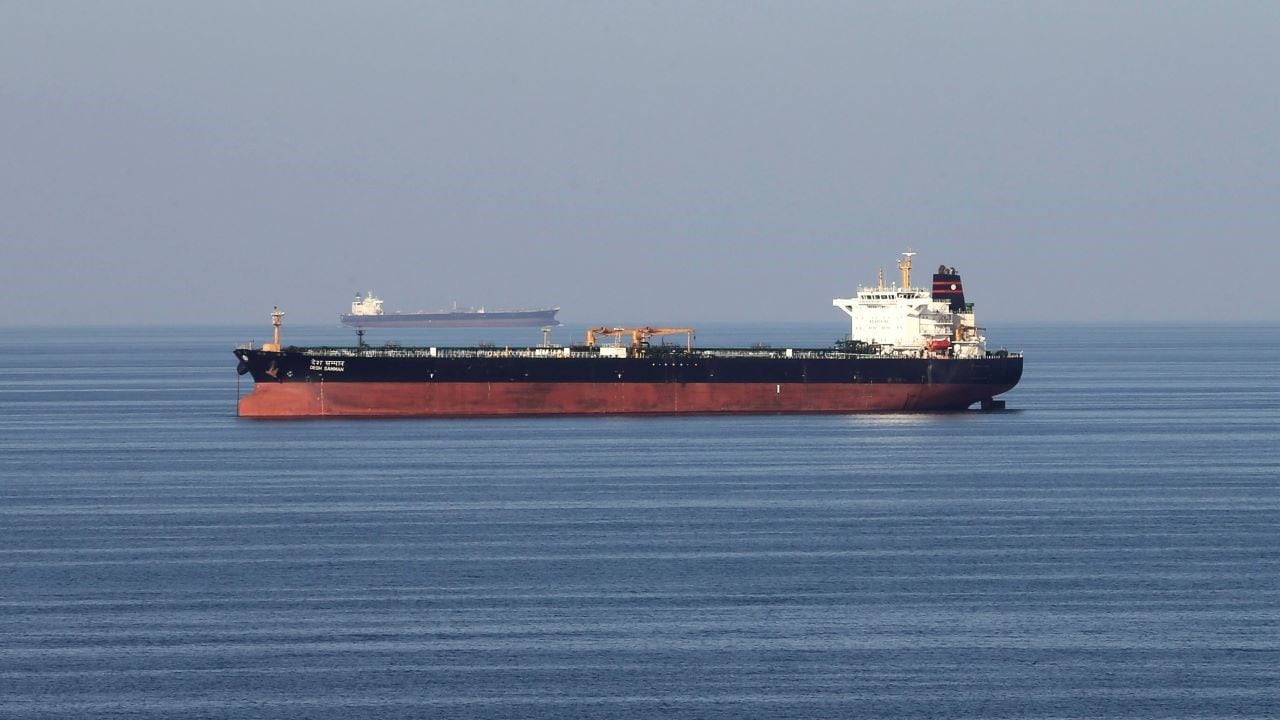
The tension in West Asia isn't just a headline on a news ticker anymore; it's a direct threat to whether you can light your stove tomorrow morning. On Tuesday, March 17, 2026, the Indian-flagged LPG carrier Nanda Devi finally docked at Vadinar Port in Gujarat. It carried 46,500 metric tonnes of liquefied petroleum gas, marking a massive win for India’s energy security in a week where things looked incredibly grim.
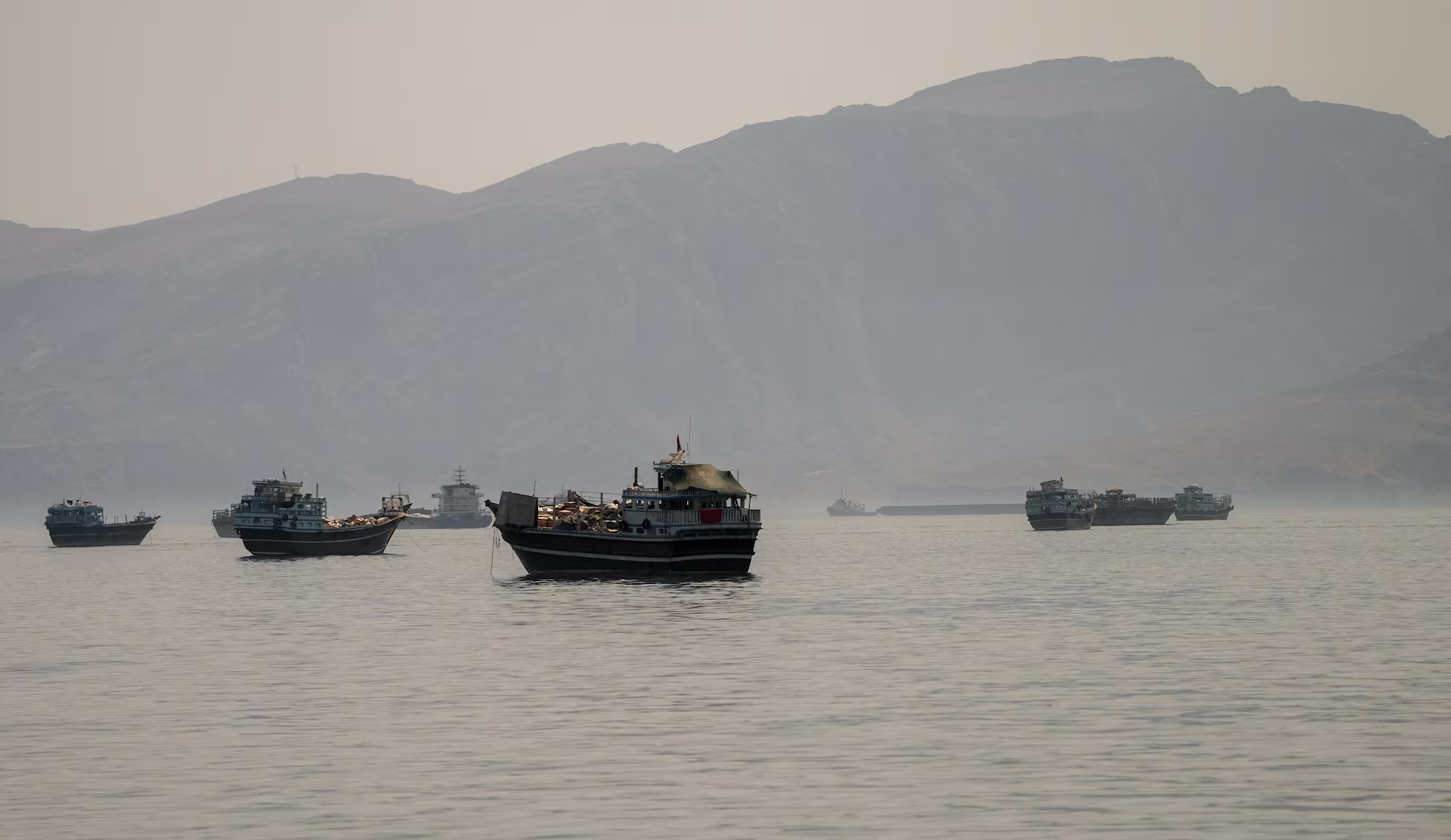
This wasn't a routine delivery. To get here, the ship had to navigate the Strait of Hormuz, a narrow maritime chokepoint that has turned into a literal war zone. With US-Israeli forces and Iranian military assets trading blows, the waterway is effectively a "dark zone" where commercial ships are sitting ducks. The Nanda Devi is only the second Indian vessel to make it through this week, following the Shivalik, which hit Mundra Port just 24 hours earlier.
A High Stakes Arrival in Gujarat
The arrival at Vadinar wasn't just about dropping anchor. Deendayal Port Authority (DPA) Chairman Sushil Kumar Singh didn't just watch from an office; he boarded the mother ship to oversee a high-stakes "ship-to-ship" transfer. Because of the urgency, the cargo is being pumped directly into a daughter vessel, the MT BW Birch, at a rate of 1,000 tonnes per hour.
This gas isn't staying in Gujarat. It’s being split up and rushed to Ennore in Tamil Nadu and Haldia in West Bengal. If you’ve noticed longer wait times for your cylinder refills or seen local "out of stock" signs at distributors, this is the shipment meant to break that bottleneck. India consumes about 3 million tonnes of LPG a month. These two ships combined—the Nanda Devi and Shivalik—carry about 92,712 tonnes. That’s roughly one full day’s worth of the entire country’s cooking gas requirement. It sounds small, but when you're down to a 10-day buffer, every single tonne is a lifeline.
The Strait of Hormuz Trap
Why is this so difficult? Let’s look at the map. The Strait of Hormuz is the only way out of the Persian Gulf. India gets nearly 60% of its LPG from imports, and about 90% of those imports usually come through this one narrow stretch of water. When the US and Israel launched strikes in late February and Iran retaliated, the insurance companies panicked. Most "war risk" coverage was cancelled, effectively stopping the flow of gas.
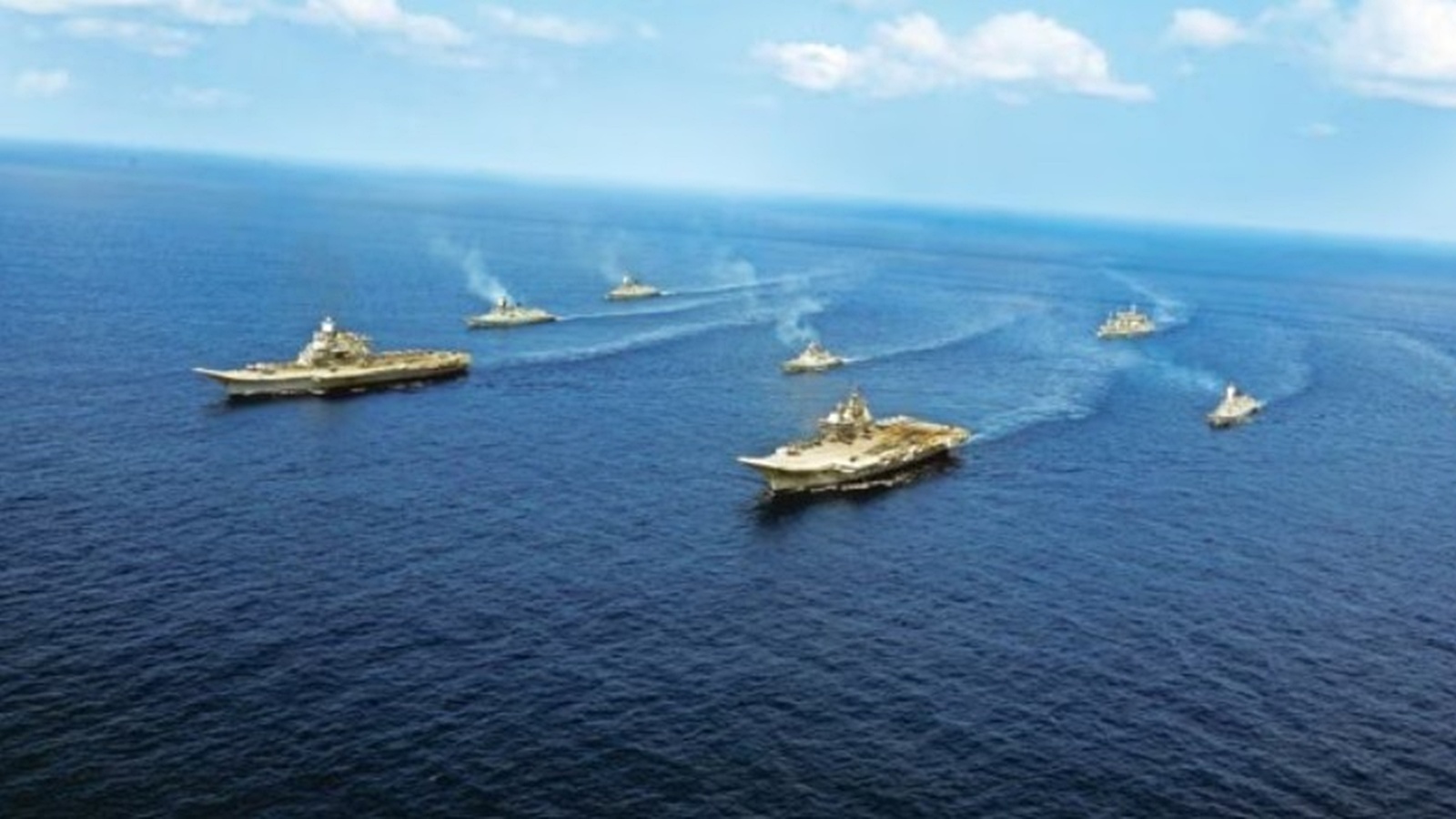
To get the Nanda Devi through, it took more than just a brave captain. It took a coordinated effort between the Ministry of Ports, the Shipping Corporation of India, and—critically—unusual naval cooperation. The Indian Navy and even the Iranian Navy reportedly provided support to ensure these specific ships weren't targeted.
What the Numbers Actually Tell Us
- 22 Indian-flagged vessels are still stuck on the "wrong" side of the Strait.
- 611 Indian seafarers are currently sitting in those volatile waters, waiting for a green light.
- 81,000 tonnes of crude oil are currently on the way via the Jag Laadki, another Indian vessel trying to run the gauntlet.
Why You Should Care About the Buffer
Most people don't realize how thin the margin is. Unlike crude oil, which India stores in massive underground salt caverns for a rainy day, our LPG storage is surprisingly shallow. We have about 18 days of "flow" in the system, but actual strategic reserves—the kind that can last through a real war—are less than two days.
The government has already invoked the Essential Commodities Act. They’ve told refineries to stop making plastics (petrochemicals) and use every drop of propane and butane to make cooking gas instead. They’ve also started rationing. If you run a restaurant or a small factory, you’ve likely already felt the squeeze because the government is prioritizing "blue" domestic cylinders over "commercial" ones.
The Plan to Stop Depending on West Asia
If this crisis has taught us anything, it’s that we can't keep all our eggs in the Persian Gulf basket. The Ministry is already scrambling for alternatives. India recently signed a deal to bring in 2.2 million tonnes of LPG from the US Gulf Coast in 2026.
The problem? It takes way longer to get here. A ship from Qatar takes a few days. A ship from the US takes weeks. That delay means higher shipping costs, which eventually find their way to your bank account. We're also looking at Russia and even Australia, but those routes aren't fully primed yet.
What Happens Next
Don't expect the gas shortage to vanish overnight. While the Nanda Devi’s arrival is a relief, the "queue" of 22 ships still stuck in the Gulf means the supply chain is still broken. The Ministry of Ports has issued a "priority berthing" directive, meaning any ship carrying LPG gets to skip the line at Indian ports, no questions asked.
If you’re looking for a silver lining, it’s this: the diplomatic channels are working. The fact that Indian-flagged vessels are being allowed through while others are blocked shows that New Delhi's "neutral" stance in the West Asia conflict is paying off in actual fuel.
Actionable Step: If you’re eligible, now is the time to ensure your connection is linked to a mobile app for booking. The government is prioritizing online, traceable bookings to prevent black-marketing during this shortage. Don't wait until your cylinder is bone-dry to book the next one; the system is currently running on a "just-in-time" basis.