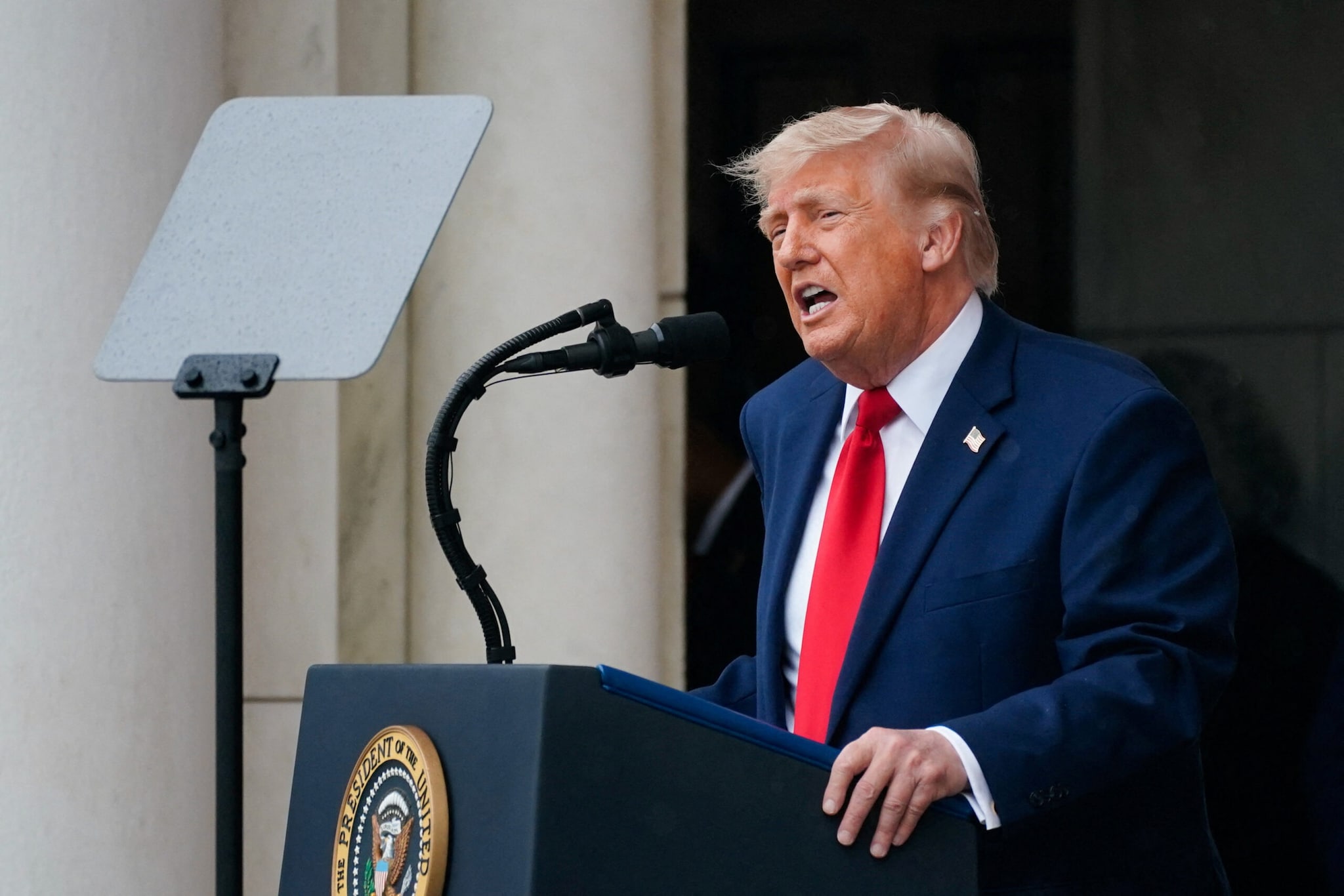
The media is obsessed with political soap operas. When Donald Trump calls Benjamin Netanyahu's actions "crazy" or Netanyahu dismisses a blowout as a mere "tactical disagreement" that happens "in the best of families," the pundit class loses its mind. They rush to analyze the "breaking point" in the US-Israel alliance. They spin narratives about hurt egos and frayed personal relationships.
They are missing the entire point.
International relations do not run on hurt feelings. They run on leverage. What the mainstream press misinterprets as a damaging fracture is actually a highly sophisticated, mutually beneficial piece of political theater. The public friction between Trump and Netanyahu isn't a sign of weakness; it is a calculated asset for both leaders. Stop looking for a broken friendship and start looking at the strategic utility of theater.
The Diplomatic Value of Calculated Friction
The lazy consensus suggests that an unshakeable, perfectly aligned alliance is the gold standard of foreign policy. That is a amateurish view of global politics.
In reality, absolute public alignment creates a massive strategic vulnerability. If Netanyahu agrees with every dictate coming out of a US administration, he loses his domestic leverage. He ceases to look like the defender of Israeli sovereignty and starts looking like a vassal state client. Conversely, if a US president blindly endorses every tactical move by Jerusalem, they burn valuable diplomatic capital with regional allies like Jordan, Egypt, and the Gulf States.
Public disagreement creates critical maneuvering room.
- The Bad Cop Illusion: When an American leader publicly chastises Israel, it signals to Arab partners that Washington is not writing a blank check. This allows the US to maintain its positioning as a regional mediator.
- The Sovereign Shield: When Netanyahu pushes back, shouting about "tactical disagreements," he satisfies his hardline domestic coalition. He proves he can say "no" to the world's superpower.
- Strategic Ambiguity: By keeping adversaries guessing about the exact boundaries of US support, both nations prevent enemies from accurately calculating the threshold for American intervention.
I have spent decades watching statecraft operate behind closed doors. The loudest arguments in public are almost always designed to mask deep coordination in private. Intel sharing, military aid pipelines, and joint strategic planning do not stop because of a spicy soundbite on a cable news network.
Dismantling the Dysfunctional Pundit Premise
Go look at any major news outlet's "People Also Ask" section regarding US-Israel relations. The questions are fundamentally flawed from the jump.
"Will the personal feud between Trump and Netanyahu ruin the alliance?"
This question assumes that foreign policy changes based on whether two alpha males exchanged Christmas cards. It is an absurd premise. The US-Israel relationship is institutionalized through decades of statutory binding agreements, joint military exercises, and shared intelligence architectures. It survives transitions of power, assassinations, and economic crises. A leaked comment or a blunt interview will not dismantle a multi-billion-dollar defense framework. The alliance exists because of shared geopolitical realities, not because two politicians like each other's company.
"Why can't Israel just align perfectly with US foreign policy objectives?"
Because Israel's existential threats are immediate and local, while American foreign policy objectives are global and subject to shifting domestic election cycles. A tactical disagreement over the execution of a military campaign or the timeline of a diplomatic negotiation is normal. To expect two sovereign nations to have identical priorities is to misunderstand the very nature of national sovereignty.
The Hidden Cost of Public Theater
While this friction is useful, it is not without risk. It is an aggressive strategy with real downsides that naive analysts routinely ignore.
The primary danger is not that the alliance will break, but that the public theater will harden into permanent domestic policy. When you use a foreign leader as a punching bag to score quick points with your domestic base, you poison the well for the next generation of voters.
[Public Friction] ──> [Domestic Political Gain] ──> [Long-term Electorate Alienation]
In the US, support for Israel was historically a bipartisan issue. By turning the relationship into a partisan football—where one side demands absolute obedience and the other uses condemnation as a virtue signal—both leaders risk shifting the underlying cultural consensus. Once the broader electorate buys into the narrative that the relationship is broken, it becomes much harder for future administrations to quietly resume normal operations.
Stop Misreading the Room
If you want to understand the trajectory of Middle Eastern geopolitics, ignore the rhetorical broadsides. Stop analyzing the tone of voice in press conferences.
Instead, track the hard metrics. Watch the weapon shipments. Track the joint intelligence briefings on regional adversaries. Monitor the flow of capital and tech transfers. If those metrics are steady, the alliance is ironclad, regardless of what the principals are shouting at the microphones.
The public sparring between leaders isn't a crisis. It is the cost of doing business in a hyper-polarized world where performance art is required to maintain domestic power. The next time a headline screams about a "growing rift," recognize it for what it is: a script being played to perfection for an audience that loves the drama but misunderstands the mechanics of power.
Stop buying the theater. The friction is the point.