Stop Chasing Ghosts
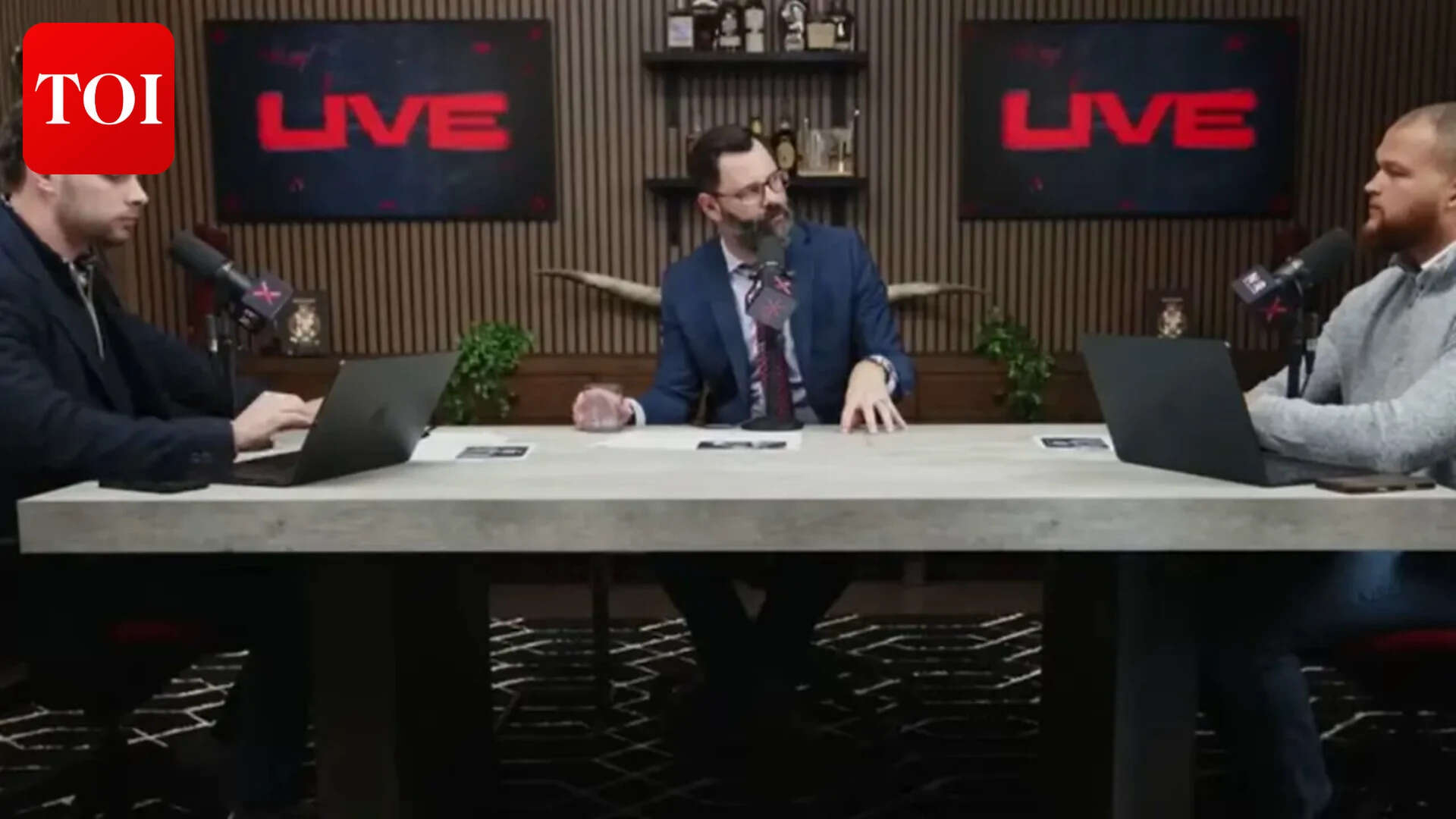
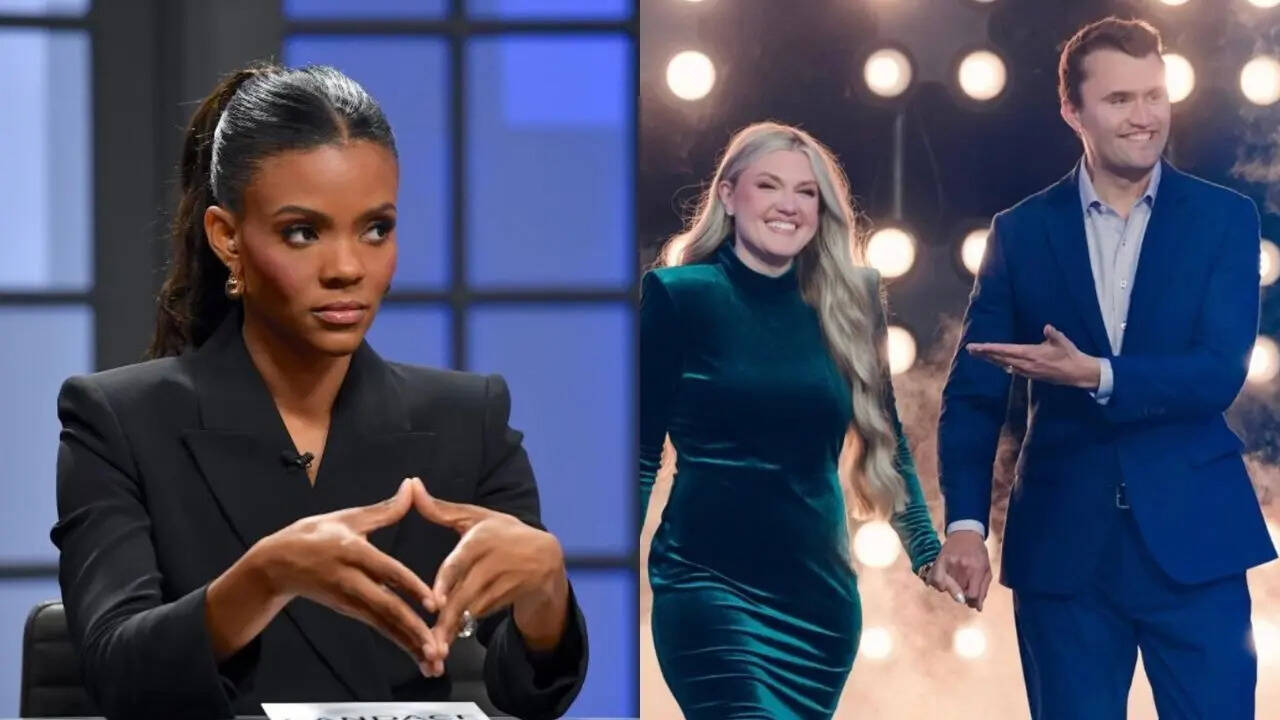
The digital right is eating itself, and everyone is falling for the dinner theater. The current obsession with a "missing" video clip featuring Charlie Kirk and Candace Owens isn't a Watergate moment. It isn't a cover-up. It is a masterclass in audience retention and the commodification of grievance.
When a media figure "challenges" their former platform over a deleted snippet, they aren't seeking truth. They are seeking leverage. We have moved past the era of information sharing into the era of algorithmic hostage-taking. If you think this is about transparency, you’ve already lost the game.
The Architecture of the Manufactured Void
The prevailing narrative suggests that Turning Point USA is hiding something "incriminating" or "pivotal" regarding a specific interaction. This assumes that organizations in the attention economy act out of fear. They don't. They act out of math.
In my years navigating the backend of media distribution, I’ve seen entities scrub content for three reasons, and none of them involve a grand conspiracy:
- Rights and Clearances: Boring, legalistic, and 90% of all "disappearances."
- Ad-Sense Preservation: If a clip triggers a demonetization flag, it gets nuked to save the channel's standing.
- Strategic Scarcity: Nothing drives engagement like a "banned" video.
By demanding the clip, Owens isn't just seeking a receipt; she is creating a vacuum. Nature—and the Twitter/X algorithm—abhors a vacuum. Into that space, fans pour speculation, theories, and most importantly, clicks. This is content arbitrage. You take a non-existent asset (the missing clip) and trade it for very real social capital.
The Problem With "Transparency"
People ask: "Why won't they just release it and end the drama?"
This is a flawed question. In the modern media landscape, resolution is the enemy of revenue.
If the video is released, the story ends. If it remains "missing," the story can be milked for months. We are watching two entities optimize their churn rate. Turning Point maintains its editorial wall, and Owens maintains her status as the suppressed truth-teller. Everyone wins except the viewer who thinks they are participating in a fight for the soul of the movement.
Digital Feudalism and the Brand Divorce
We have to talk about how talent and platforms actually function. It’s not a partnership; it’s a temporary lease of an audience.
When these "divorces" happen, the first thing the departing talent does is try to seize the "means of production"—the archives. If they can’t have the archives, they sabotage the value of the platform’s version of those archives. By casting doubt on the integrity of a clip, Owens effectively devalues Turning Point’s entire library of her appearances.
It’s a scorched-earth tactic used to ensure that the audience migrates to the new platform. If you believe the old platform is hiding things, you stop trusting the old platform. You move your "subscription" (your attention) to the new one.
The Reality of the "Edit"
Let’s dismantle the idea that an unedited clip is the "truth." There is no such thing as an unedited reality in media.
- The choice of camera angle is an edit.
- The lighting is an edit.
- The decision of when to start and stop the recording is the ultimate edit.
Searching for a "raw" clip is a fool’s errand. Even if the full video surfaced, both sides would simply clip 10-second segments that confirm their existing biases. We aren't looking for facts; we are looking for ammunition.
Why You Should Stop Caring
I've seen organizations spend $500,000 on legal fees to keep a 30-second gaffe off the internet, only for the gaffe to be less damaging than the legal battle itself. The "Streisand Effect" is a known quantity. If the clip were truly damaging, it would have leaked already. The fact that it hasn't suggests it’s likely mundane—too mundane to sustain the current level of hype if it were actually seen.
The absence of the video is more valuable than the video itself.
The New Media Playbook
If you want to understand the future of political entertainment, look at professional wrestling. The "worked shoot" is where a scripted event is made to look real by breaking the fourth wall.
This feud over a video clip is a worked shoot. It utilizes real tension to drive a scripted outcome: growth.
- Owens gets to frame herself as the outsider being silenced by the "establishment" right.
- Turning Point gets to signal to its donors that it is "cleaning house" and maintaining a specific brand standard.
It is a symbiotic ecosystem of conflict.
The Hard Truth
You are being played by the very people you think are "telling it like it is."
The "missing" video is a MacGuffin. In filmmaking, a MacGuffin is an object that everyone in the story is chasing, but its actual nature is irrelevant to the plot. It just exists to keep the characters moving.
Stop asking where the video is. Start asking why you’ve been convinced that a single interaction between two media personalities matters more than the actual policies they claim to represent. You are being fed a diet of meta-commentary because it's cheaper to produce than actual journalism and more addictive than actual philosophy.
The controversy isn't about what was said in a chair three years ago. It’s about who owns your feed today.
Go outside. Read a book. The clip isn't coming, and even if it did, it wouldn't change a single thing about your life. The only thing missing from this story is your willingness to stop giving them exactly what they want: your undivided, outraged attention.
Turn off the screen. The show is over, even if they're still charging you for tickets to the aftermath.