The Financial Action Task Force (FATF) just released its latest "report card" on Austria, and the usual suspects are clutching their pearls. The headlines scream about "significant gaps" and "insufficient oversight." They want you to believe that Vienna is a playground for oligarchs and cartels because the Austrian government hasn't checked enough boxes in a Parisian boardroom.
They are wrong. Dead wrong.
The FATF is not an arbiter of security. It is a massive, self-sustaining bureaucracy that values process over results. While the world frets over Austria's "non-compliance," they ignore the reality that high compliance scores often correlate with zero impact on actual crime. I have watched firms burn 20% of their annual budgets on "Know Your Customer" (KYC) refreshes that haven't caught a single money launderer in a decade.
Austria isn't failing. It’s refusing to commit economic suicide for the sake of a spreadsheet.
The Compliance Industrial Complex
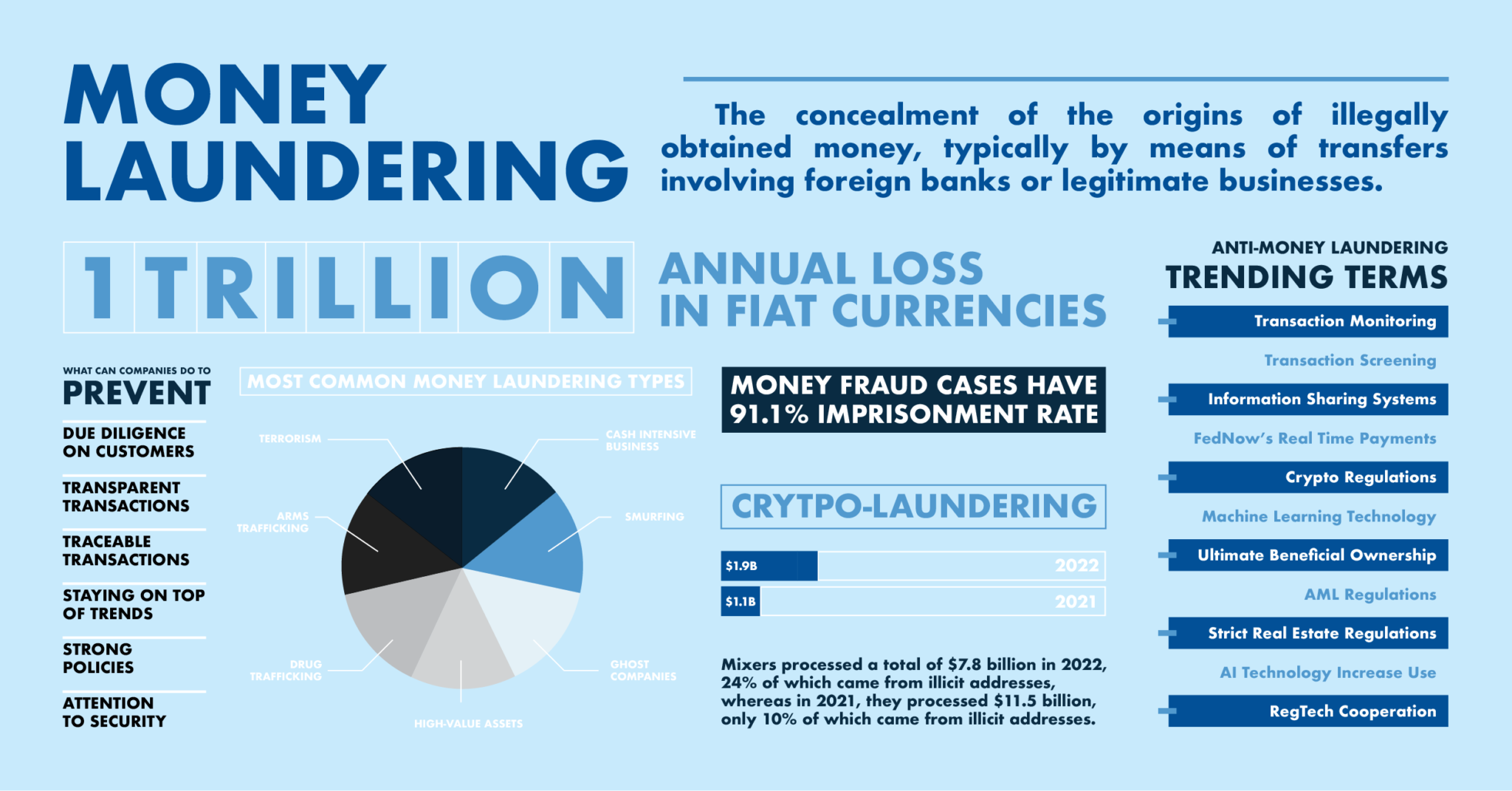
The global anti-money laundering (AML) regime is a $300 billion-a-year industry that fails at its only job. Depending on which UNODC study you believe, authorities seize less than 1% of global illicit financial flows. If any other business had a 99% failure rate, we would fire the CEO and liquidate the assets. Instead, we give the FATF more power to scold sovereign nations.
Austria’s "shortcomings" in the eyes of the FATF are almost entirely procedural. They want more "suspicious activity reports" (SARs). They want more "enhanced due diligence" (EDD). They want more friction.
But friction isn't security.
When you force banks to file a report every time a legitimate small business owner makes a mid-sized cash deposit, you aren't fighting crime. You are creating a haystack so large that no needle could ever be found. Austrian banks are being criticized for not being "proactive" enough, which is code for "they aren't harassing their citizens enough."
The Myth of Transparency
The watchdog’s biggest gripe is Austria’s supposed lack of transparency in its ultimate beneficial ownership (UBO) registers. The prevailing "lazy consensus" is that total transparency equals total safety.
This is a fallacy.
Complete transparency is a gift to kidnappers, extortionists, and data brokers. Austria has a long-standing cultural and legal tradition of financial privacy. The FATF views privacy as a bug; Austrians view it as a fundamental right.
When you destroy financial privacy, you don't stop the professional money launderers. The sophisticated players—the ones moving billions—don't use Austrian bank accounts under their own names anyway. They use complex webs of offshore entities in jurisdictions that the FATF strangely ignores because those jurisdictions have better lobbyists in Brussels and Washington.
The people who get caught in the "transparency" net are the medium-sized entrepreneurs whose private financial lives are laid bare for anyone with a search engine and a few euros. Austria’s reluctance to turn its financial system into a glass house isn't a sign of weakness. It’s a sign of a state that still respects the boundary between the individual and the collective.
Why FATF Ratings Are Better Indicators of Bureaucracy Than Safety
Look at the countries that score "High" on FATF effectiveness. You’ll see names that would shock you—nations where financial crime is rampant but the paperwork is impeccable.
The FATF rewards the appearance of action. If a country passes fifty new laws, creates three new oversight committees, and hires ten thousand compliance officers, its score goes up. It doesn't matter if those laws are unenforceable or if those committees spend their time arguing about font sizes on regulatory filings.
Austria’s "poor" performance is actually a reflection of its efficiency. The Austrian Financial Intelligence Unit (A-FIU) is lean. It focuses on high-value targets rather than drowning in the sea of meaningless SARs that the FATF demands. In the world of the "insider," we know that a "compliant" country is often just a country that has successfully outsourced its policing to bank tellers.
The Hidden Cost of "Winning" the AML War
If Austria were to cave and implement every FATF recommendation to the letter, here is what would actually happen:
- De-risking: Banks would start closing accounts of anyone remotely "complicated." This includes immigrants, charities, and tech startups.
- Innovation Stagnation: The cost of compliance for a new fintech firm in a "highly compliant" jurisdiction is a barrier to entry that protects established, stagnant banks.
- The Shift to Shadow Banking: When you make the formal banking system a nightmare to navigate, you don't stop the flow of money. You move it into the shadows—into unregulated corridors where the police have zero visibility.
The FATF is inadvertently the greatest salesperson for hawala networks and unhosted crypto wallets in history. By making the front door impossible to walk through, they’ve ensured the criminals find a side window they can’t even see.
The Austrian Resistance
Austria’s real "crime" is its skepticism. It sees the FATF for what it is: a technocratic overreach that demands more data with no proof of efficacy.
The watchdog complains that Austria doesn't prosecute enough money laundering cases relative to its size. But they fail to account for the quality of prosecutions. Would we rather have a thousand low-level arrests for "failing to disclose a source of funds" on a €10,000 car purchase, or ten high-stakes takedowns of international syndicates? The FATF wants the thousand. Austria is focused on the ten.
We need to stop asking "How do we get Austria to comply?" and start asking "Why are we using a 1980s-era playbook to fight 2026-era crime?"
The FATF is fighting the last war with blunt tools. They are trying to stop digital-speed laundering with paper-speed regulation. They demand more registries, more lists, and more signatures.
The Actionable Truth
If you are an investor or a business leader, don't be spooked by the "grey list" threats or the scathing reports. A country under fire from the FATF for "procedural gaps" is often a country that still allows for a degree of operational freedom.
The real risk isn't being in a country the FATF dislikes. The real risk is being in a country that obeys them blindly. Those are the jurisdictions where your accounts will be frozen without notice because an algorithm flagged a perfectly legal transaction, and where you will spend months proving you aren't a criminal simply because you value your privacy.
Austria should double down. They should refuse to expand their registers. They should reject the demand for more "proactive" reporting. They should tell the FATF that until the global AML regime can show a seizure rate higher than a statistical rounding error, their recommendations are nothing more than expensive suggestions.
The FATF is a paper tiger that thrives on the fear of being "un-ranked." Austria has the stability, the history, and the economic backbone to ignore the ranking and focus on actual, effective law enforcement.
Compliance is a race to the bottom where the only winners are the consultants.
Stop measuring how many boxes you've checked and start measuring how much crime you’ve actually stopped. If the FATF can't tell the difference, they aren't a watchdog. They’re a distraction.
Vienna is doing just fine.