Somewhere in the humid sprawl of the Port of Savannah, a heavy-duty crane operator named Elias pauses. He looks at a manifest for a shipping container filled with industrial steel components, the kind of heavy, unglamorous ribs that hold a warehouse together. For years, every time a crate like this swung over the rail, it carried an invisible, heavy passenger: a 25% surcharge. It wasn't just metal coming off the boat; it was a debt to the Treasury that trickled down to the person buying a new lawnmower or the small business owner trying to expand a garage.
Tomorrow, that invisible passenger disappears.
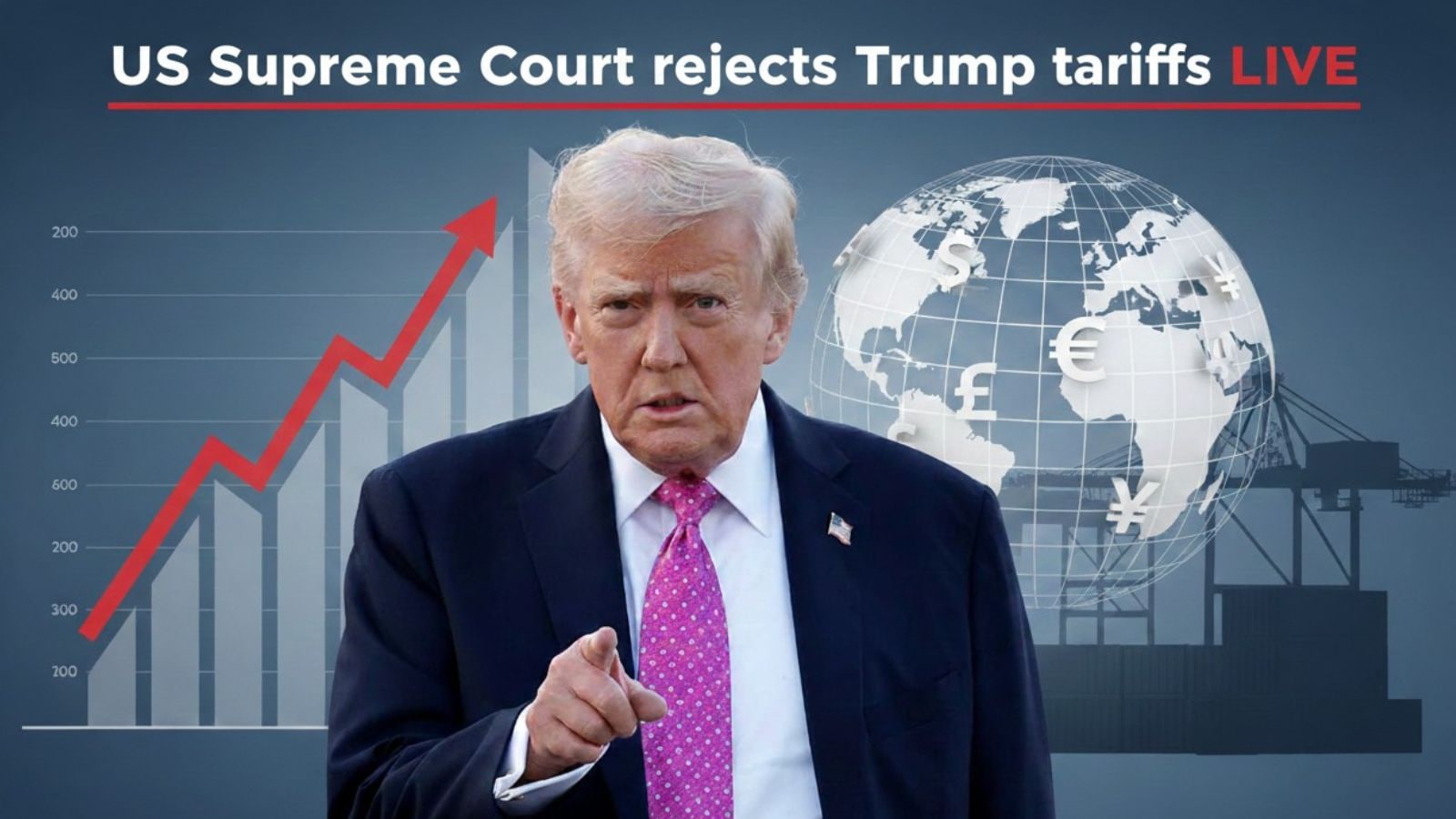
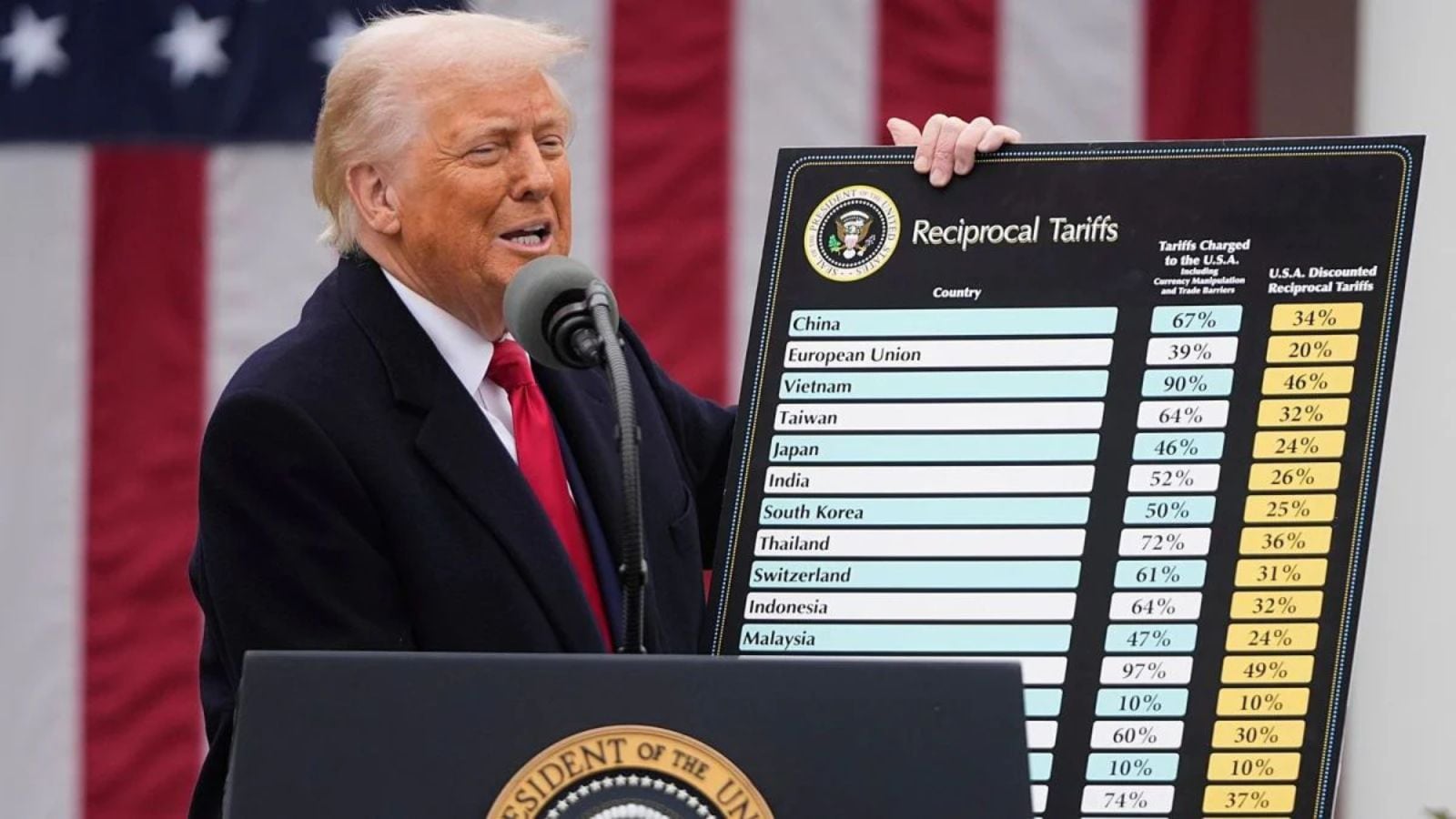
The Supreme Court has finally spoken, and the emergency tariffs that became a hallmark of the Trump era are hitting a hard deadline. By the time the sun rises on the next business day, the United States will cease the collection of these specific levies. It is a quiet end to a loud era of economic brinkmanship. While the legal jargon focuses on executive overreach and the limits of the International Emergency Economic Powers Act, the reality is felt in the spreadsheets of every procurement officer in the Midwest.
Money has a memory. For the last several years, American companies have been playing a high-stakes game of "who blinks first." When a government imposes an emergency tariff, the theory is that the foreign exporter will lower their prices to stay competitive. In reality, the domestic importer—the guy in Ohio or Pennsylvania—usually just eats the cost or passes it to the consumer.
Think of a local brewery. They need stainless steel tanks. Suddenly, those tanks cost $10,000 more because of a trade dispute happening 4,000 miles away. The brewery doesn’t stop needing the tanks; they just stop hiring a new server. They skip the patio renovation. The tariff isn't a wall that keeps goods out; it’s a friction heat that slows everything down.
The Court’s ruling didn't just stumble upon a technicality. It addressed the fundamental question of how much power one person should have over the flow of global atoms. The "emergency" that justified these taxes was always a vaguely defined specter. By ruling that the window for these specific collections has slammed shut, the Court has essentially told the executive branch that an emergency cannot be a permanent state of being.
This isn't just about "Trump's tariffs." It’s about the very mechanics of how we buy and sell.
Consider a hypothetical logistics manager we will call Sarah. Sarah spends her days navigating the "Section 232" and "Section 301" labyrinths. To her, this ruling isn't a political victory; it’s a massive sigh of relief. For years, her budget has been a moving target. She couldn't tell her CEO if a shipment of parts arriving in October would cost the same as the one in June. That uncertainty is a poison. Business can handle high costs, and it can handle low costs, but it struggles to handle mystery costs.
Now, the mystery evaporates.
But don't mistake this for a total return to the "free trade" euphoria of the 1990s. The muscle memory of protectionism remains. Even as these specific emergency tariffs vanish from the ledger tomorrow, the infrastructure of trade war remains. The ghosts of these taxes will linger in the form of altered supply chains. Many companies already moved their manufacturing to Vietnam or Mexico to dodge the levies. Those factories aren't going to pack up and move back just because a gavel fell in Washington D.C.
The friction has already changed the shape of the world.
What happens at midnight? Custom and Border Protection (CBP) officers will update their software. The automated systems that calculate duties will flick a digital switch. It is a silent, global recalibration.
For the average person, the change won't be a sudden drop in the price of a toaster. Economics is rarely that generous. Instead, it will be a slow thawing. The "tariff surcharge" line items on B2B invoices will start to fade. The pressure on profit margins will ease. Maybe, just maybe, that brewery in the Midwest finally hires that extra server.
We often talk about the Supreme Court in terms of grand social movements or constitutional crises. We forget that they are also the ultimate accountants. With this ruling, they have balanced a book that has been lopsided for years. They have decided that the "emergency" is over, even if the political theater surrounding it continues to simmer.
The true weight of a tariff is never felt by the person who signs the executive order. It’s felt by the person who has to explain to a customer why a bag of nails costs twice what it did last year. It’s felt by the contractor who loses a bid because his raw material costs spiked between the proposal and the start date. These are the people who will be watching the clock tonight.
As the deadline passes, billions of dollars in projected revenue will simply cease to exist for the federal government. That money stays in the private economy. It stays in the pockets of the people who move the heavy things.
The cranes at the Port of Savannah will keep swinging tomorrow. The manifests will look largely the same. But for the first time in a long time, the price of the metal won't include the price of a political point. The steel will just be steel again.
Elias will guide the next container onto a flatbed truck. The driver will pull out of the gates, heading toward a highway that leads to a factory or a construction site. The sun will come up, and the ledger will be clean, leaving only the quiet, steady hum of a world trying to remember how to trade without a thumb on the scale.