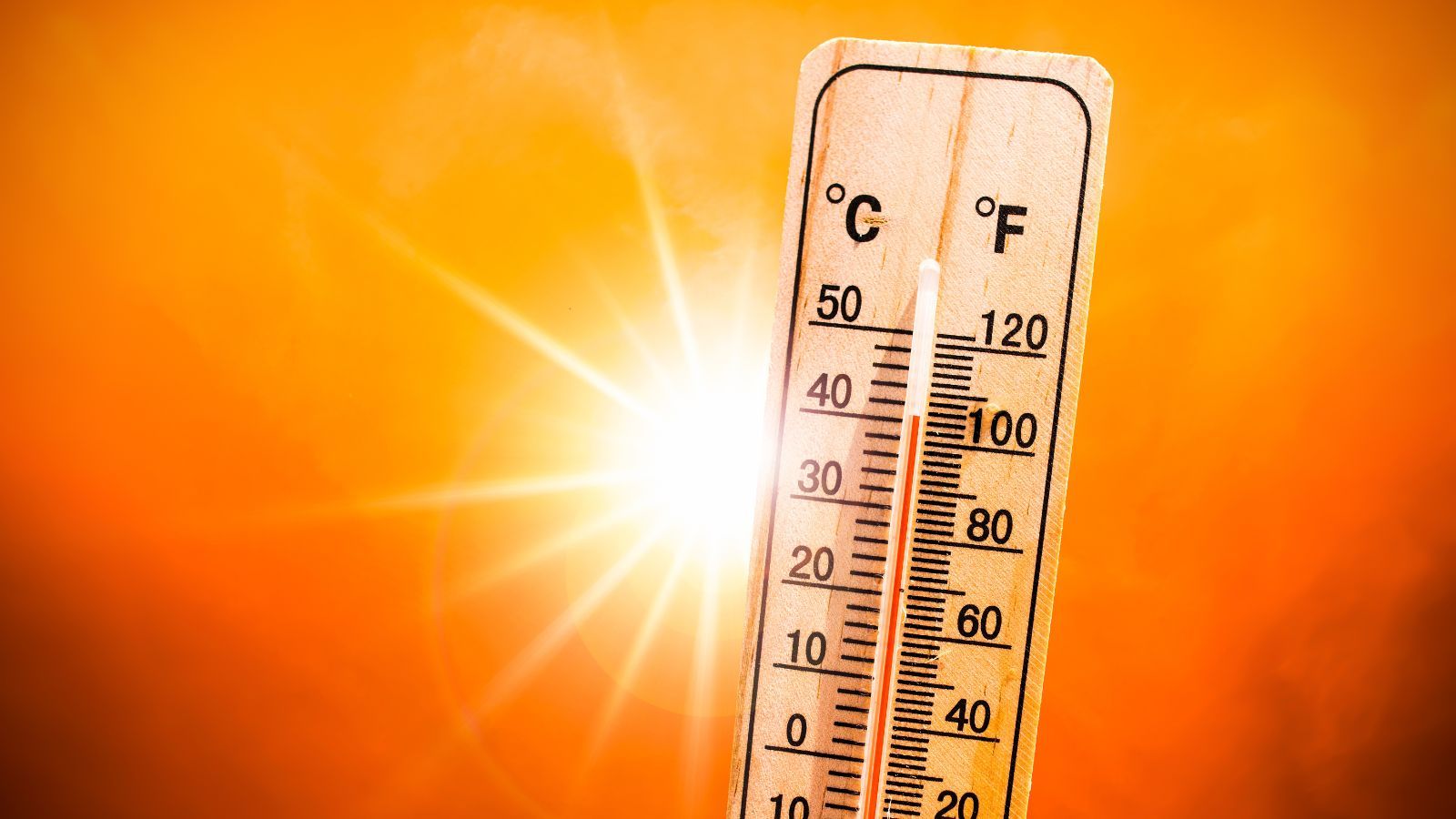
The progression of the 2026 FIFA World Cup into its knockout phase coincides with a severe meteorological anomaly: a high-pressure system trapping intense heat and humidity across the central and eastern United States, alongside parts of Canada. This heat dome has escalated ambient temperatures, driving daytime heat indices between $105^\circ\text{F}$ and $115^\circ\text{F}$ ($40.6^\circ\text{C}$ to $46.1^\circ\text{C}$) across critical host clusters including Philadelphia, Kansas City, Boston, and Toronto.
While public discourse frequently focuses on ambient air temperature, the operational reality of executing elite athletic events under thermal duress depends on more complex variables. Managing this crisis requires analyzing the intersection of elite human physiology, stadium microclimates, and urban infrastructure bottlenecks.
The Tri-Factor Physiology of Exertional Heat Illness
Elite athletes operate at metabolic rates that increase internal heat production by a factor of 10 to 20 compared to resting states. Under standard conditions, the human body dissipates excess thermal energy primarily through the evaporation of sweat. The presence of a high-humidity heat dome alters this thermodynamic equation by introducing a critical physiological bottleneck.
The core vulnerability relies on three distinct physiological limits:
- Evaporative Capacity Failure: When relative humidity is high, the vapor pressure gradient between the skin and the surrounding air narrows. Sweat fails to evaporate efficiently, rendering the primary cooling mechanism ineffective. The sweat is shed as liquid runoff, depleting fluid reserves without yielding a cooling effect.
- The Cardiovascular Dissipation Trade-off: To facilitate heat transfer from the core to the periphery, the cardiovascular system undergoes massive cutaneous vasodilation. This structural shift diverts up to $50%$ of cardiac output to the skin. The heart must pump at near-maximum capacity simply to maintain blood pressure and supply oxygenated blood simultaneously to working muscles and dilated skin vessels.
- Core Temperature Escalation ($T_c$): When metabolic heat production outpaces the diminished rate of environmental dissipation, core body temperature climbs. A rise beyond $104^\circ\text{F}$ ($40^\circ\text{C}$) triggers the onset of exertional heat stroke, characterized by cellular damage, central nervous system dysfunction, and systemic inflammatory responses.
FIFA has mandated three-minute hydration breaks midway through each half to mitigate these risks. While structurally beneficial for fluid replenishment, these brief periods are physiologically insufficient to lower a soaring core temperature significantly. They serve as a volume-replacement protocol rather than a cooling mechanism.
Infrastructure Thermodynamics and Microclimate Variance
The operational risk profile of the tournament is split by stadium architecture. Venues featuring retractable roofs and climate-control systems—such as Dallas, Houston, and Atlanta—effectively decouple the field of play from exterior atmospheric conditions. Open-air, unshaded bowl structures, however, face direct vulnerability to solar radiation and microclimatic heat retention.
[Ambient High-Pressure System]
        │
        ▼
[Solar Radiation Inflow] ──► [Concrete/Asphalt Structural Mass] ──► [Longwave Thermal Radiation]
                                                                            │
                                                                            ▼
                                                                  [Thermal Mass Inversion]
                                                            (Elevated Microclimate Temperatures)
The physical environment of an open-air venue acts as a thermal mass incubator. Concrete structures, synthetic or hybrid turf pitches, and asphalt perimeters possess high volumetric heat capacities. These materials absorb shortwave solar radiation throughout the day and reradiate it as longwave thermal radiation.
The microclimatic temperature at pitch level can register up to $15^\circ\text{F}$ to $20^\circ\text{F}$ higher than the official regional weather station data. Sinking air within the heat dome prevents vertical mixing, trapping this radiant heat within the bowl. This creates a thermal inversion layer that persists well into evening matches, neutralizing the cooling benefit typically expected after sunset.
The Last-Mile Fan Vulnerability Index
While athletes benefit from dedicated medical staffs and precise hydration strategies, the spectator cohort faces unmitigated environmental exposure. The greatest operational threat to life does not exist within the stadium bowl; it exists in the transit corridors and perimeter assembly zones.
The specific logistical vectors amplifying spectator vulnerability include:
- The Albedo Effect and Concrete Radiance: Major venues are surrounded by square kilometers of low-albedo asphalt parking lots and concrete plazas. Spectators traversing these zones are subjected to simultaneous thermal loads: direct solar radiation from above and reflected radiant heat from the ground.
- Transit Bottlenecks and Static Staging: High security clear times, public transit delays, and regional crowd management protocols force large volumes of fans to remain static in unshaded, uncooled queuing zones for hours prior to kickoff.
- The Diuretic Amplification Risk: Fan behavior introduces a physiological risk multiplier. The widespread consumption of alcohol impairs the central nervous system's thermoregulatory center, suppresses the release of antidiuretic hormone, accelerates dehydration, and blunts early behavioral awareness of heat illness.
The decision by organizers in cities like Philadelphia to alter Fan Festival operating hours—such as truncating afternoon watch parties—highlights this systemic vulnerability. It acknowledges that the logistical capacity to provide shade, water, and emergency medical response across decentralized urban fan zones is easily overwhelmed by a prolonged heat dome event.
Operational Constraints and Strategic Adjustments
The mitigation of extreme thermal risk during knockout matches is constrained by fixed broadcasting schedules, global ticketing logistics, and rigid tournament timelines. Organizers cannot easily reschedule a Round of 32 or Round of 16 match to an alternate date or a cooler venue without disrupting the multi-billion-dollar operational architecture of the tournament.
The structural limitation of the current heat relief strategy is its reliance on reactive, localized interventions rather than systemic cooling. Providing medical tents and distributing water bottles addresses symptoms rather than environmental causes.
For future tournaments executed in high-risk thermal windows, logistics must pivot toward architectural pre-cooling, mandated shade-to-seat ratios, and the integration of Wet Bulb Globe Temperature (WBGT) metrics directly into active match-day scheduling decisions. Until these systemic factors are fully integrated into host city selection and stadium design, tournament execution during extreme atmospheric anomalies will remain a high-stakes compromise between commercial compliance and physiological safety.


