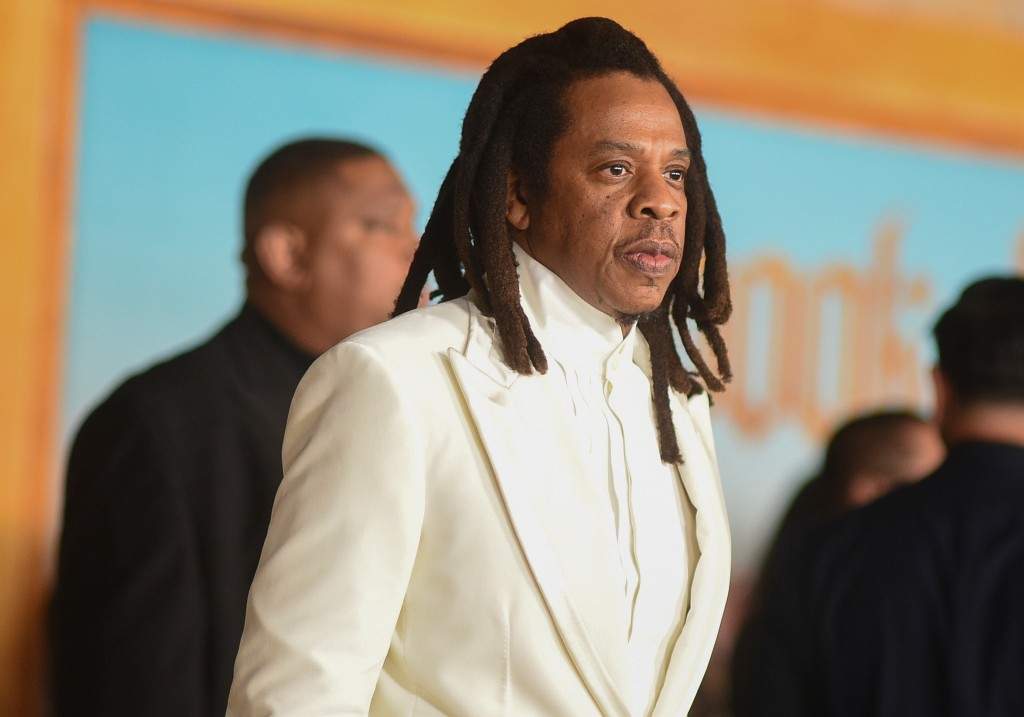
The reinstatement of the hyphen and the integration of the diaeresis in the JAŸ-Z moniker represent a calculated recalibration of a multi-billion dollar brand architecture rather than a mere aesthetic whim. In high-equity personal branding, typography functions as a proprietary signal of eras, much like a corporate logo evolution from a legacy conglomerate. This specific shift—moving from "Jay Z" back to "JAŸ-Z"—re-establishes a visual link to the 1996 Reasonable Doubt era while simultaneously asserting a distinct, modernized intellectual property (IP) profile.
The Taxonomy of the Hyphenated Identity
The removal of the hyphen in 2013 coincided with the launch of Magna Carta Holy Grail, a period defined by corporate partnerships with Samsung and a pivot toward "New York City aesthetic" minimalism. The subsequent restoration of the hyphen, specifically paired with the diaeresis (the two dots over the Y), serves three structural functions:
- Differentiated Trademarking: By adding specific diacritical marks, the brand creates a unique visual footprint that is easier to defend legally and distinct in digital metadata.
- Legacy Anchoring: The "JAŸ-Z" styling appeared on the cover of his debut album. Re-adopting it creates a "Full Circle" narrative, signaling a return to foundational principles while maintaining current market dominance.
- Visual Friction: Standardized text is easily ignored. Non-standard characters like the Ÿ force a micro-pause in the consumer's cognitive processing, increasing brand recall through tactile visual oddity.
The Valuation of Diacritical Marks in Digital Ecosystems
In the current attention economy, the "JAŸ-Z" spelling creates a deliberate bottleneck in automated systems. Most search algorithms and social media tags are optimized for standard ASCII characters. By intentionally utilizing the Ÿ, the brand asserts control over its own search engine results page (SERP) hierarchy.
When a brand as large as Shawn Carter’s alters its primary identifier, it triggers a global update across streaming platforms (Spotify, Apple Music, Tidal), retail inventories, and journalistic style guides. This is not a passive update; it is an active stress test of the brand's distribution infrastructure. The "hyphen-plus-umlaut" configuration functions as a version control mechanism, allowing the entity to categorize "Modern JAŸ-Z" content separately from "Minimalist Jay Z" (2013-2017) and "Classic Jay-Z" (1996-2012) eras.
The Intellectual Property Moat
Personal brands at this scale operate under the same pressures as luxury fashion houses. A name change is a tool for renewing trademark protections and refreshing the "brand story" without changing the underlying product.
The Cost-Benefit Analysis of the Rebrand
- Fixed Costs: Updating legal filings, updating digital assets across global streaming servers, and re-tooling physical merchandise designs.
- Variable Costs: The risk of fragmented search traffic and the temporary loss of SEO authority for the "Jay Z" string.
- Net Gain: Increased "collectibility" of new assets. By introducing a new visual standard, all existing merchandise becomes "legacy" or "vintage," while new products carry the "official" current mark. This effectively doubles the secondary market value of previous iterations through artificial scarcity.
Cognitive Fluency and the Power of the Hyphen
The hyphen in JAŸ-Z is not a grammatical error; it is a structural bridge. Phonetically, "Jay Z" is a single unit of sound. Visually, "JAŸ-Z" creates a compound identity. This distinction is critical in the transition from artist to mogul. The hyphen separates the "Jay" (the persona) from the "Z" (the symbol of the end-point or the zenith).
Psychologically, the diaeresis (Ÿ) introduces a "prestige" element. Historically used in European languages to indicate a separate vowel sound, in the context of American hip-hop, it mimics the high-luxury signaling seen in brands like Moët & Chandon. It is a move from the colloquial to the curated.
Structural Divergence from Peer Competitors
Unlike other artists who change their names to reflect a total shift in persona (e.g., Snoop Dogg to Snoop Lion), the JAŸ-Z transition is a refinement of the existing asset. This follows the Principle of Incremental Distinction:
- Phase 1 (Origin): Establishing the name (Jay-Z).
- Phase 2 (Growth): Simplifying for mass-market corporate integration (Jay Z).
- Phase 3 (Maturity): Re-complicating the mark to signal elite status and historical depth (JAŸ-Z).
This strategy prevents "Brand Dilution," a common failure mode where an artist becomes so ubiquitous that their name loses its premium feel. By making the name harder to type and more specific to look at, the brand re-establishes its "insider" status.
Implementation Hurdles in Global Metadata
The primary risk of the Ÿ-integration lies in the fragmentation of the global database. Streaming services rely on exact-string matching. If a user searches for "Jay-Z," but the official metadata is "JAŸ-Z," the algorithm must decide whether to provide a "fuzzy match" or a direct redirect.
This creates a Metadata Bottleneck:
- Legacy Tracks: Older songs remain under the "Jay-Z" or "Jay Z" tag.
- New Releases: New content is indexed under "JAŸ-Z."
- The Split-Catalog Problem: Users may see two separate artist profiles, which splits "Monthly Listener" metrics and can negatively impact chart positioning if not consolidated by the platform's backend team.
However, for an artist with 100% brand recognition, the risk of a user "not finding" the music is nearly zero. The metadata friction actually serves to highlight the change, making the rebrand a news event in itself.
The Strategic Play for Asset Holders
The move to JAŸ-Z should be viewed as a signal to the market that the entity is entering a "Legacy Defense" phase. The focus has shifted from acquiring new listeners to maximizing the value of the existing catalog and the associated IP.
For stakeholders and observers, the tactical takeaway is clear: when a dominant market player re-complicates their visual identity, they are signaling a shift from Market Expansion to Yield Optimization. The Ÿ is a barrier to entry for low-effort imitators and a badge of authenticity for the core audience.
Future brand audits should monitor the speed at which secondary platforms (news outlets, ticket vendors, and social media platforms) adopt the Ÿ. The rate of adoption serves as a direct metric of the brand's current cultural leverage. A 100% adoption rate within 18 months would indicate total market dominance; a failure to move the needle on the diaeresis would suggest a decoupling of the artist’s intent from the public’s perception.
Monitor the catalog's performance on streaming platforms over the next fiscal quarter. The consolidation of these three naming conventions into a single authoritative "Master Profile" will determine the long-term SEO viability of the move. If the metadata is successfully unified, expect other legacy artists to follow suit, re-complicating their names to reclaim their "original" digital identities in an increasingly crowded marketplace.