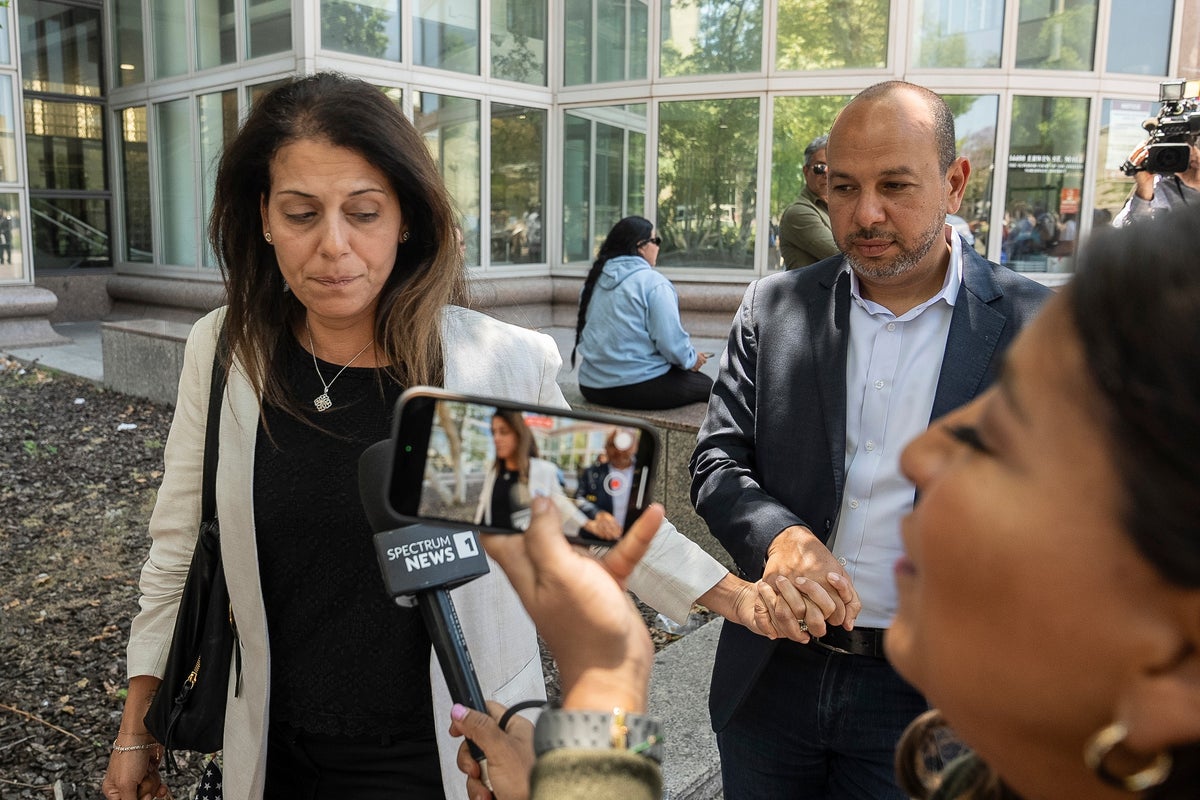
A Los Angeles jury just handed down a staggering $22.1 million punitive damages verdict against California socialite Rebecca Grossman and former Major League Baseball pitcher Scott Erickson. That figure sounds massive on its own. But here is the real kicker, it sits on top of a jaw-dropping $176 million compensatory award from last week. The total tab now climbs to $198.1 million. This makes it what appears to be the largest civil verdict ever returned in a California traffic fatality case.
When people read about high-profile civil trials, they often mistake the dollar amounts for arbitrary numbers thrown out by emotional jurors. They wonder if the victims' family will ever see a dime, or why a retired athlete whose car didn't even touch the victims is on the hook for millions.
This case isn't just about a tragic accident in Westlake Village. It's a masterclass in how the civil justice system punishes gross negligence, tackles attempts to hide wealth, and establishes legal accountability when the criminal justice system falls short. If you think civil lawsuits are just about insurance payouts, this verdict proves otherwise.
The Night Everything Went Wrong in Westlake Village
To understand why the jury hit both defendants so hard, you have to look at the sheer recklessness of what happened on September 29, 2020.
Nancy Iskander was crossing a marked crosswalk on Triunfo Canyon Road with her three sons. Out of nowhere, two luxury Mercedes-Benz SUVs came tearing down the residential street. Investigators later showed the vehicles were traveling at speeds up to 73 mph in a 45 mph zone. The drivers were Scott Erickson, a former pitcher who won a World Series with the Minnesota Twins and played for the Dodgers, and Rebecca Grossman, the co-founder of the Grossman Burn Foundation and wife of a prominent plastic surgeon. The two were dating at the time while Grossman was separated from her husband. They had just been drinking margaritas at a nearby restaurant.
Witnesses described the scene as a high-speed game of chicken. Erickson’s black SUV zipped through the crosswalk first, narrowly missing Nancy and her youngest son, Zachary, after Nancy frantically grabbed the boy and dove out of the way.
Grossman, trailing close behind in her white SUV, didn't swerve. She struck 11-year-old Mark and 8-year-old Jacob. The force of the impact was horrific, throwing Mark more than 250 feet.
Instead of slamming on the brakes, Grossman kept driving. Her SUV finally sputtered to a halt a third of a mile down the road only because her vehicle's safety system automatically shut down the engine after the airbags deployed. Mark died at the scene. Jacob passed away shortly after at the hospital.
The Legal Strategy That Captured an Elusive Ex-Athlete
Grossman faced the music criminally. In 2024, a criminal court convicted her of two counts of second-degree murder, gross vehicular manslaughter, and hit-and-run driving. She is currently serving 15 years to life in state prison.
Erickson, however, largely walked away from criminal accountability. Because his vehicle never made physical contact with the boys, prosecutors only charged him with a misdemeanor count of reckless driving. He managed to get that charge dismissed through a civil compromise. His penalty? He had to film a brief public service announcement about safe driving.
That felt like an insult to the Iskander family, and it's exactly why the civil justice system exists.
Led by high-profile trial attorney Brian Panish, the Iskander family’s legal team filed a wrongful-death lawsuit. They didn't just sue Grossman; they went after Erickson too. The legal strategy relied on the concept that the two acted in concert. Even though Erickson’s car didn't hit the children, his choice to race an impaired driver at extreme speeds created the deadly hazard.
The jury completely bought the argument. By finding that both defendants acted with malice and conscious disregard for human life, they opened the door for punitive damages. This allowed them to penalize Erickson where the criminal courts couldn't, hitting him with $1.17 million in punitive damages on top of joint liability for the initial $176 million.
Jail Phone Calls and the Execution of Punitive Damages
Winning a $198 million judgment is one thing. Collecting it is a completely different ballgame.
During the trial, jurors heard damning evidence that completely sank the defense’s hopes for leniency. The plaintiffs introduced recorded prison phone calls between Rebecca Grossman and her husband, Dr. Peter Grossman. In those calls, the couple openly discussed strategies to shield their personal assets. They talked about moving equity out of their home and placing family assets into trusts for their children specifically to keep them out of reach of the Iskander family’s attorneys.
This went over terribly with the jury. Punitive damages are designed to do exactly what the name implies: punish the wrongdoer and deter others from similar behavior. When a defendant shows a total lack of remorse and actively plots to hide wealth, juries tend to maximize the penalty.
The defense tried to plead poverty for Erickson, with his lawyer asking for a "smallest symbolic amount" because of his current financial state. The jury didn't care. They wanted to send a message that wealth and social status don't buy an escape clause from devastating personal choices.
What Happens to the Money Now
When you see a headline about a $198.1 million verdict, you shouldn't assume the family walks away with a massive check next week. A verdict of this size triggers predictable next steps in the legal system.
First, the defense attorneys will undoubtedly file post-trial motions asking the judge to reduce the damages, arguing the numbers are excessive. If the judge upholds the jury's decision, the defendants will appeal the verdict to a higher state court. This process can drag on for years. Notably, on the very same day this punitive verdict came down, the California Supreme Court rejected Grossman's request to review her criminal convictions, showing her legal options are rapidly running out.
Second, asset hunting begins. Because Peter Grossman owned the vehicle Rebecca was driving, he was named as a co-defendant, linking the family's shared wealth to the compensatory judgment. The Iskander family’s legal team will use forensic accountants to untangle the trusts and asset transfers discussed in those jailhouse phone calls. Civil judgments in California can attach to real estate, bank accounts, and future earnings, ensuring that whatever assets Grossman and Erickson possess will be aggressively pursued to satisfy the debt.
Ultimately, this case serves as a massive warning to anyone who thinks reckless behavior can be smoothed over with a good defense lawyer or a high net worth. The criminal justice system takes your freedom, but the civil justice system can completely dismantle your financial life. For the Iskander family, no amount of money replaces Mark and Jacob, but the historic verdict ensures that the people responsible will spend the rest of their lives paying for the choices they made that night.


