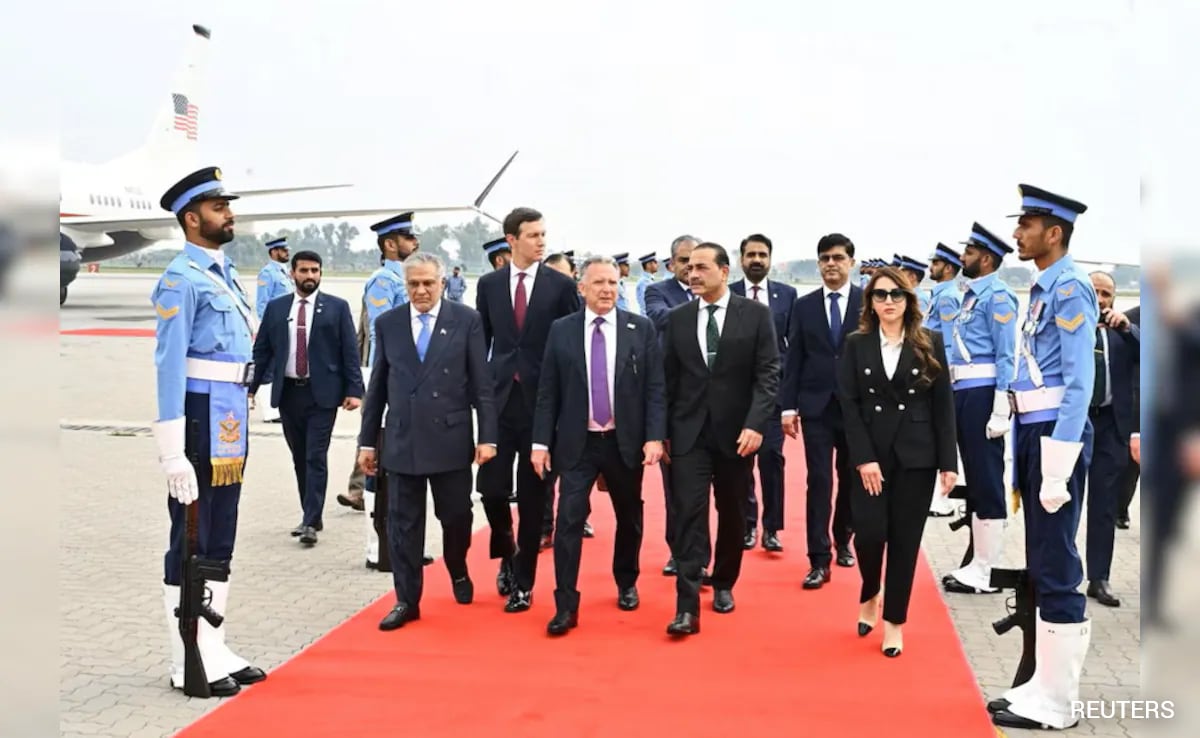
The air in Rawalpindi carries a specific weight when the heavy doors of the General Headquarters swing shut. It is the smell of old paper, floor wax, and the electric hum of high-stakes encryption. When General Asim Munir stepped onto the tarmac for his flight to Tehran, he wasn't just carrying a diplomatic passport. He was carrying the collective anxiety of a nation caught between a nuclear neighbor to the west and a demanding superpower across the ocean.
Geopolitics is often described as a chess match, but that is too clean a metaphor. It is more like a high-stakes poker game played in a room where the lights keep flickering and half the players are armed. This trip wasn't about the dry bullet points of "bilateral cooperation" or "border security" that you see in the morning headlines. It was about survival.
The Man in the Middle
To understand why a Pakistani Army Chief is visiting Iran to discuss the United States, you have to look at the map through his eyes. To the east, the permanent friction of India. To the north, the unpredictable vacuum of Afghanistan. To the west, Iran—a country that has spent decades perfecting the art of existing under pressure.
Now, imagine a shopkeeper in Quetta, a man we will call Yusuf. Yusuf doesn't care about the intricacies of the Joint Comprehensive Plan of Action (JCPOA). He cares that the border trade is functional because that is how he feeds his children. When the U.S. tightens the screws on Tehran, Yusuf’s shelves go empty. When Pakistan leans too far toward Washington, the border gets "hot," and Yusuf stays indoors.
General Munir’s visit is, in many ways, an attempt to ensure that Yusuf can keep his shop open. But the stakes are much higher than salt and diesel. Pakistan is currently walking a razor's edge, trying to secure a desperate economic lifeline from the IMF while maintaining a functional relationship with a neighbor that Washington views as a primary antagonist.
The Ghost at the Table
Washington was the uninvited guest in every room Munir entered in Tehran. The timing is not accidental. As the Biden administration navigates the final stretches of its current term, there is a frantic, quiet scramble to see if any threads of the old nuclear deal can be salvaged or if a new "understanding" can be reached.
Iran knows that Pakistan is perhaps the only country that can talk to both sides without looking like a spy. We are the reluctant bridge.
The Iranian leadership—men who have built their entire political identity on "Maximum Resistance"—looked across the table at Munir. They see a man whose military receives American hardware but whose people rely on Iranian energy. It is a relationship defined by a deep, mutual suspicion that is only outweighed by a shared fear of total regional collapse.
Consider the mechanics of the conversation. They weren't just talking about the next round of talks. They were talking about the price of silence. Iran wants to know if Pakistan will remain neutral if the U.S. increases its naval presence in the Persian Gulf. Pakistan wants to know if Iran will stop the cross-border skirmishes that have plagued Balochistan.
The Currency of Trust
Trust in this part of the world isn't built on handshakes. It is built on the absence of betrayal.
For years, the border between Pakistan and Iran was a sieve. Militants, smugglers, and dissidents moved through the dust like ghosts. When General Munir sits down with his Iranian counterparts, he is trading in the only currency that matters: intelligence. If Pakistan can prove it is serious about securing the frontier, it gains the leverage to tell the U.S. that Iran is a "manageable" entity.
But the U.S. is a difficult partner to satisfy. From the perspective of a State Department official in D.C., any warmth between Islamabad and Tehran is viewed with a narrowed eye. They see the pipeline projects. They see the potential for sanctions-evasion.
The "human element" here is the fatigue of the diplomat. Imagine being the staffer tasked with drafting the briefing notes for this meeting. You have to balance the reality that Pakistan needs American dollars to keep its economy from flatlining, while knowing that an unstable Iran could set the entire western province of Pakistan on fire. There are no good choices. There are only choices that delay disaster for another week.
The Quiet Corridor
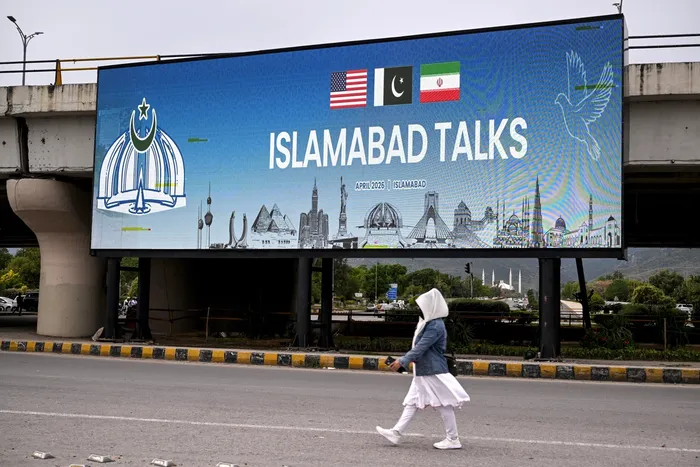
While the cameras capture the stiff poses and the exchange of pleasantries, the real work happens in the corridors. This is where the "Next Round" of talks is actually choreographed.
The Iranians are masters of the long game. They know that the U.S. is distracted by domestic elections and the ongoing chaos in Eastern Europe and the Levant. They see an opportunity to use Pakistan as a pressure valve. If Munir can carry a message to Washington that says, "Iran is ready to talk, but only if the tone changes," he becomes more than a general. He becomes a pivot point for global security.
The risk is immense. If the U.S. feels Pakistan is playing double agent, the IMF money could vanish. If Iran feels Pakistan is merely a messenger for American demands, the border will bleed again.
The Weight of the Uniform
Asim Munir is a man of few public words. In the military culture of Pakistan, silence is a sign of strength. But in Tehran, silence can be misinterpreted as hesitation.
He had to convey a very specific kind of strength: the strength of a nation that is tired of being the world's battlefield. Pakistanis are weary. They have lived through the fallout of the Soviet invasion of Afghanistan, the "War on Terror," and the subsequent internal insurgencies. The desire for a "pivot to geo-economics" isn't just a buzzword; it is a plea for a normal life.
The Iranian officials he met—men like President Raisi and the top commanders of the Islamic Revolutionary Guard Corps—are not sentimental. they operate on the cold logic of regime survival. They look at Munir and see the gateway to the West. They know that if they can convince him of their sincerity, he can convince the Americans.
It is a game of whispers.
Why This Matters to You
You might think that the travel schedule of a foreign general has no impact on your life. But the world is smaller than we like to admit. The stability of the Pakistan-Iran border dictates the flow of energy, the price of goods, and the likelihood of yet another conflict that could draw the world's superpowers into a direct confrontation.
When these two sides talk about "the next round of U.S. talks," they are really talking about the permission to breathe.
Iran wants the permission to sell its oil and re-enter the global community. Pakistan wants the permission to grow its economy without being penalized for its geography. The U.S. wants a region that doesn't explode while it tries to focus on the Pacific.
The "invisible stakes" are the lives of millions of people like Yusuf in Quetta. If this meeting fails, the border closes. If the border closes, the black market thrives. If the black market thrives, the extremists find their funding. It is a domino effect that ends in a headline you don't want to read.
The Unspoken Agreement
By the time Munir’s plane took off from Tehran, heading back toward the sprawling lights of Islamabad, no grand treaty had been signed. There was no "Mission Accomplished" banner.
Success in these meetings is measured by what doesn't happen. Success is the absence of an IED on a border road. Success is the continuation of a dialogue that everyone expected to die years ago.
The "next round" of talks isn't just a date on a calendar. It is a fragile thread. General Munir went to Tehran to make sure that thread didn't snap under the weight of decades of resentment. He went there to remind the Iranians—and by extension, the Americans—that Pakistan cannot afford to be the casualty of someone else's cold war anymore.
The sun sets over the Salt Range in Pakistan, casting long, jagged shadows across the landscape. In the quiet offices of the GHQ, the lights will stay on late tonight. The notes from Tehran will be decoded, analyzed, and eventually shared with "partners" in the West.
The game continues. The players are exhausted, the stakes are existential, and the room is still dark. But as long as the planes are flying and the generals are talking, there is a slim, vibrating hope that the next round might actually lead somewhere other than the edge of a cliff.
The engine of diplomacy doesn't run on oil; it runs on the cold, hard necessity of avoiding the alternative.