London doesn't just host events. It breathes them. If you've spent any real time walking through Trafalgar Square or hitting the Southbank during the middle of the year, you've seen it. One week there’s the smell of incense and the glow of Diwali lamps. A few months later, thousands of people are breaking fast together under the open sky for Iftar. It’s a chaotic, beautiful, and loud testament to what happens when a global city actually leans into its identity instead of hiding from it.
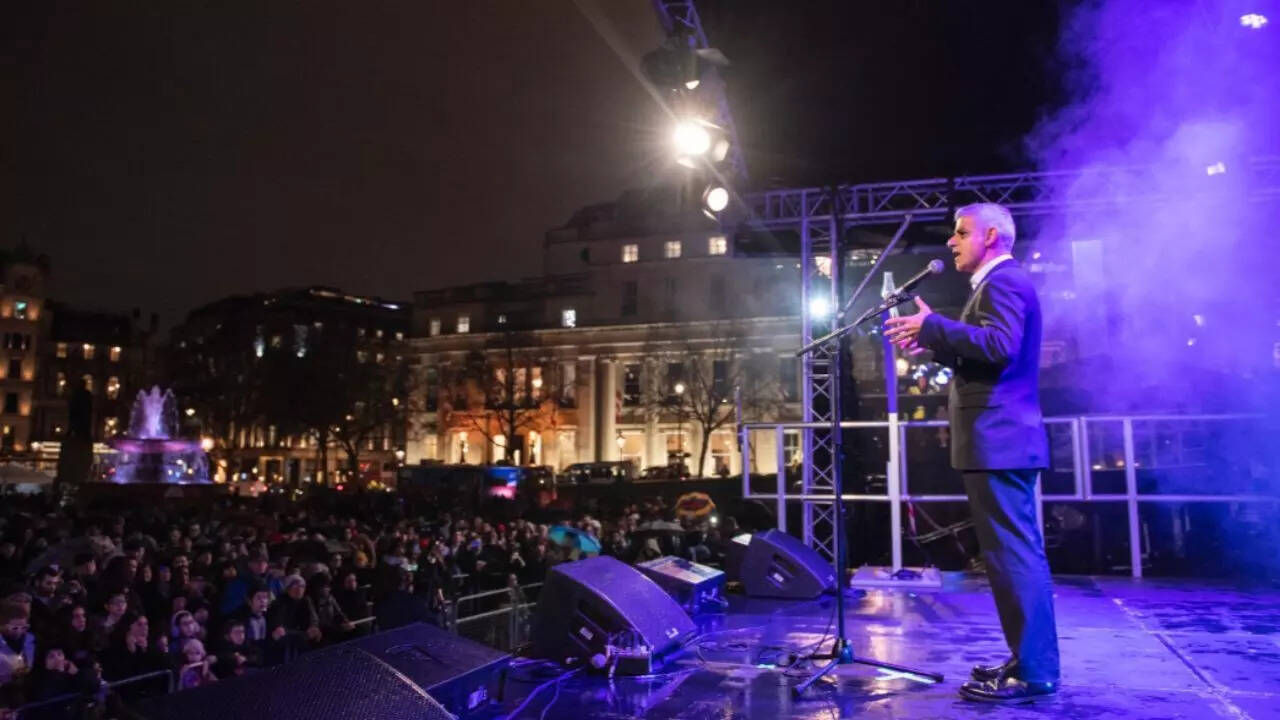
Mayor Sadiq Khan recently highlighted this by sharing a series of striking images from the city’s major religious and cultural milestones. It’s easy to dismiss a photo op as mere PR. Politicians love a good ribbon-cutting, after all. But look closer at these snapshots of London life. They aren’t just staged moments. They represent a specific vision of urban life where no single group holds the "exclusive" rights to the pavement. From the Vaisakhi celebrations to the Chanukah menorah lightings, the message is clear. London belongs to you, whoever you are. For another look, consider: this related article.
The Reality of an Open City
Living here means accepting that your neighbor’s holiday might be louder than yours. It means your commute might be redirected because of a massive street parade. That’s the "London tax," and it’s worth every penny. When we talk about London being a place for everyone, it isn't some fluffy, academic concept. It's about the physical presence of different cultures in the most iconic spaces of the UK.
Take the Iftar in Trafalgar Square. Seeing the "Adhan" (the call to prayer) ring out in the same space where people gather for New Year’s Eve or major protests is powerful. It’s a claim to space. Critics often moan about "identity politics" or the "erosion of tradition." They’re missing the point. Adding more seats to the table doesn't mean you lose yours. It just means the party gets better. Further analysis on the subject has been shared by The Guardian.
London’s ability to host these massive, public-facing festivals serves as a buffer against the rising tide of isolation seen in other global hubs. When you stand in a crowd of 20,000 people to celebrate Diwali, you aren't just an observer. You’re part of the city’s fabric. You see the police officers wearing turbans, the tourists trying street food for the first time, and the lifelong Londoners who just happened to walk into a celebration. This is how a city builds its immune system against division.
Why Visibility Matters More Than Ever
Some people think these festivals should stay behind closed doors. They argue that religion and culture are private matters. I disagree. Visibility is a shield. When a community feels seen by its local government and its fellow citizens, it feels safe. It feels like it has a stake in the ground.
Mayor Khan’s recent photo series isn't just about looking back at a successful year of events. It’s a deliberate pushback against the idea that London is becoming fractured. By putting Iftar, Diwali, Easter, and Pride on the same pedestal, the city administration is making a statement about equality. It’s saying that a Hindu teenager in Brent and a Muslim grandmother in Newham should feel exactly the same level of ownership over Central London as a banker in the City.
- Diwali on the Square: Thousands gathering for dance, music, and lights.
- Eid in the Square: A massive celebration marking the end of Ramadan.
- Vaisakhi: Honoring Sikh culture with traditional food and processions.
- Chanukah: The giant Menorah at the heart of the city.
Each of these events brings massive economic boosts, too. This isn't just about "vibes." It’s about footfall. It’s about the hospitality industry getting a shot in the arm during these festivals. It’s about the cultural exports that make London a top-tier destination for international travelers who want more than just a photo of Big Ben. They want to feel the energy of a living, evolving culture.
Moving Past the Tokenism Trap
We've all seen corporate attempts at "diversity" that feel hollow. You know the ones—a rainbow logo for a month and then back to business as usual. London’s festival circuit avoids this because it’s led by the communities themselves. The Mayor’s office provides the platform, but the soul of the event comes from the people.
If these events were just top-down mandates, they’d be boring. They’d be sterile. Instead, they’re messy. They’re loud. Sometimes they’re even a bit disorganized. That’s exactly why they work. You can’t fake the joy at a West Indian Carnival or the solemnity of a religious procession.
The real challenge isn't just throwing a party. It's ensuring the people who attend these festivals can afford to live in the city they’re celebrating. It’s one thing to share a photo of an Iftar; it’s another to ensure that the communities represented in those photos aren't being priced out of their neighborhoods. If London wants to remain a "place for everyone," it has to be a place everyone can actually live.
What You Can Do to Get Involved
Don't just look at the photos. Go. The 2026 calendar is already packed with events that are free and open to the public. If you’ve never been to a festival outside your own cultural bubble, make this the year you change that.
Start by checking the Greater London Authority (GLA) website or the official "Visit London" guides. They list the major events months in advance. Many of these celebrations need volunteers. If you want to see how the gears turn, sign up to help. You'll get a behind-the-scenes look at the logistics of moving tens of thousands of people through a historic square while keeping the energy high.
If you’re a business owner, look at how you can support these local festivals. It’s not just about sponsorship. It’s about being an active participant in the local ecosystem. Offer your space for planning meetings or provide services that help the event run better.
London’s strength isn't its buildings. It’s the fact that on any given weekend, you can walk a mile and feel like you’ve traveled across the globe. That isn't an accident. It’s a choice. And it’s a choice we have to keep making every single year. Show up, participate, and remind yourself why this city remains the most vibrant place on earth. Stop watching from the sidelines and get into the crowd. That's where the real London lives.