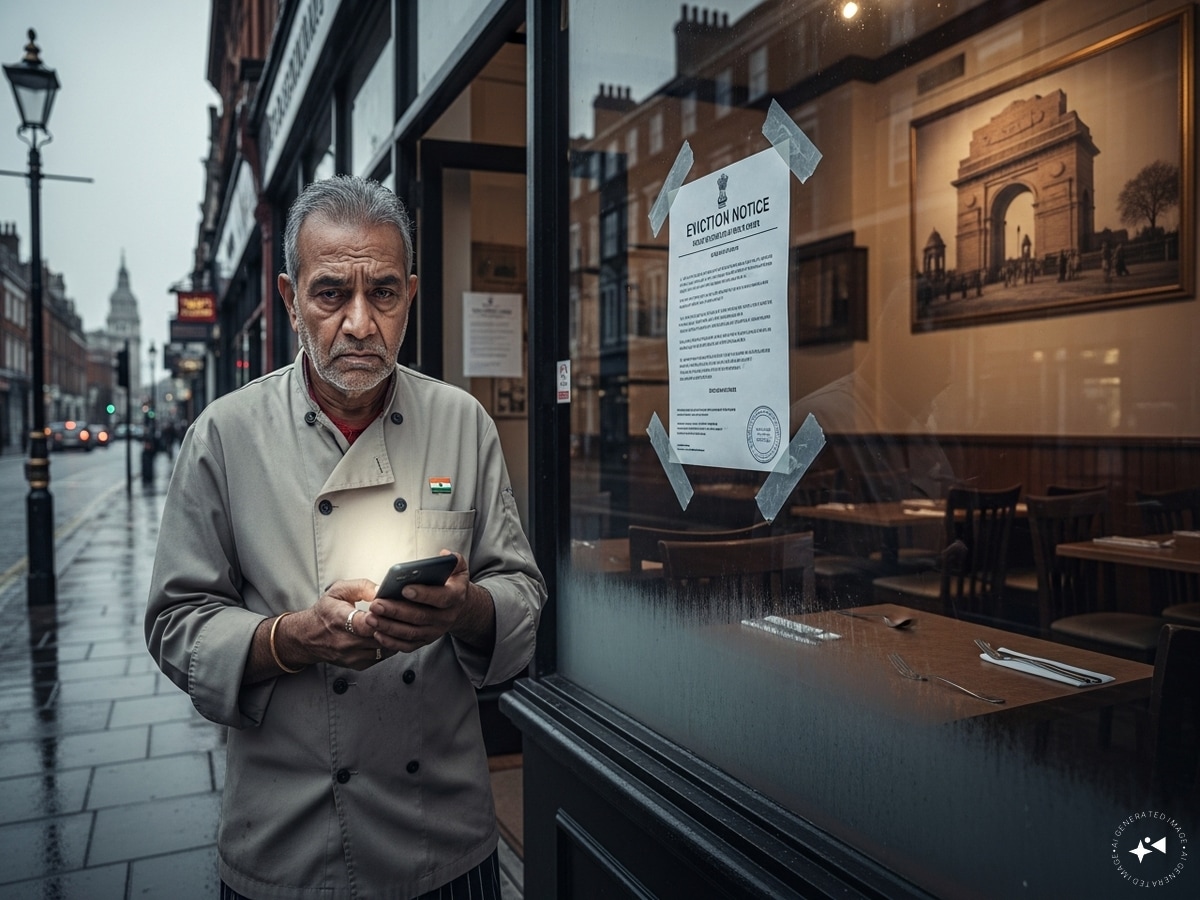
Imagine surviving the Blitz, major economic recessions, and a century of brutal competition, only to get pushed out by an office reception lobby. That is exactly what is happening to Veeraswamy, the oldest Indian restaurant in the UK.
Located in Victory House on Regent Street since March 1926, this Michelin-starred legend just hit its monumental 100th anniversary. Instead of celebrating, the owners are preparing for a massive five-day county court battle starting June 29, 2026. The opponent? The Crown Estate. That is the vast property empire that manages land for the reigning monarch to fund the UK Treasury. You might also find this connected story insightful: The Soil Doctors of Munimpur.
The situation has gotten so desperate that the restaurant owners are looking way beyond British borders for backup. They are calling directly on the Indian government in New Delhi to intervene and protect what they call a vital piece of India's soft power.
The Battle of Regent Street
The core of the issue comes down to real estate mechanics and corporate stubbornness. The Crown Estate refused to renew Veeraswamy's £205,000-a-year lease when it came up for renewal. The reason given by the estate is a comprehensive refurbishment of the upper-floor offices, which have been sitting empty since a major flood ruined their power supply back in 2023. As extensively documented in latest articles by Al Jazeera, the effects are widespread.
To maximize the rent they can squeeze out of future corporate tenants, the landlords want to tear down the wall separating the restaurant's entrance from the office entrance. This change would create a massive, modern reception area, but it completely erases the historical entrance to the restaurant.
Ranjit Mathrani, the 83-year-old co-owner of parent company MW Eat, isn't taking this sitting down. He pointed out that reputable contractors manage complex refurbishments around functioning businesses all the time in London. The restaurant even offered a compromise to share the new, larger entrance and match whatever inflated rent the Crown Estate thinks it can pull from office tenants. The answer from the estate was a firm no.
Why a Century of History Cannot Be Relocated
The Crown Estate claims they are trying to help find an alternative spot within their West End property portfolio, but the owners call those promises disingenuous. Moving an institution like this isn't like moving a standard high-street coffee shop.
MW Eat estimates the cost of relocation, building out a specialized kitchen from scratch, and absorbing the lost revenue during the closure will run past £5 million. The compensation offered by the landlord covers just a tiny fraction of that cost.
Beyond the financials, there's a deep cultural loss here. You can't just pack up heritage and move it down the street. Veeraswamy has hosted massive historical figures, from Winston Churchill and Charlie Chaplin to Mahatma Gandhi and Indira Gandhi. King Edward VIII used to dine there so often that his coat of arms was displayed at the entrance. It's also a royal favorite, having catered an event at Buckingham Palace for Queen Elizabeth II.
A huge campaign has rallied behind the venue. High-profile chefs like Raymond Blanc, Michel Roux, and Richard Corrigan have thrown their weight behind the cause. A petition with over 20,000 signatures was even hand-delivered to Buckingham Palace back in February, asking King Charles III to step in. Because the Crown Estate operates independently to maximize public revenue, that royal appeal didn't stop the eviction notices.
Bringing New Delhi Into a UK Property Dispute
With the court date looming and domestic options running thin, the owners are playing a diplomatic card. They are urging the Indian government to step in on behalf of Indian culinary heritage.
Mathrani points out that with the India-UK Free Trade Agreement approaching final implementation, allowing a 100-year-old symbol of Indo-British cultural connection to be erased for an office lobby is a terrible look. It represents an essential piece of history and diplomatic soft power.
The Crown Estate argues that its hands are tied by statutory responsibilities to manage public money and maximize the value of its listed buildings. They claim no alternative scheme allows them to fulfill their legal obligations while keeping the restaurant in place.
If you want to support the preservation of culinary history, keep a close eye on the court proceedings starting on June 29. Spread the word on social media using the active community campaigns, or visit the historic venue while it still stands in its original home. Cultural landmarks shouldn't be sacrificed for corporate real estate gains.