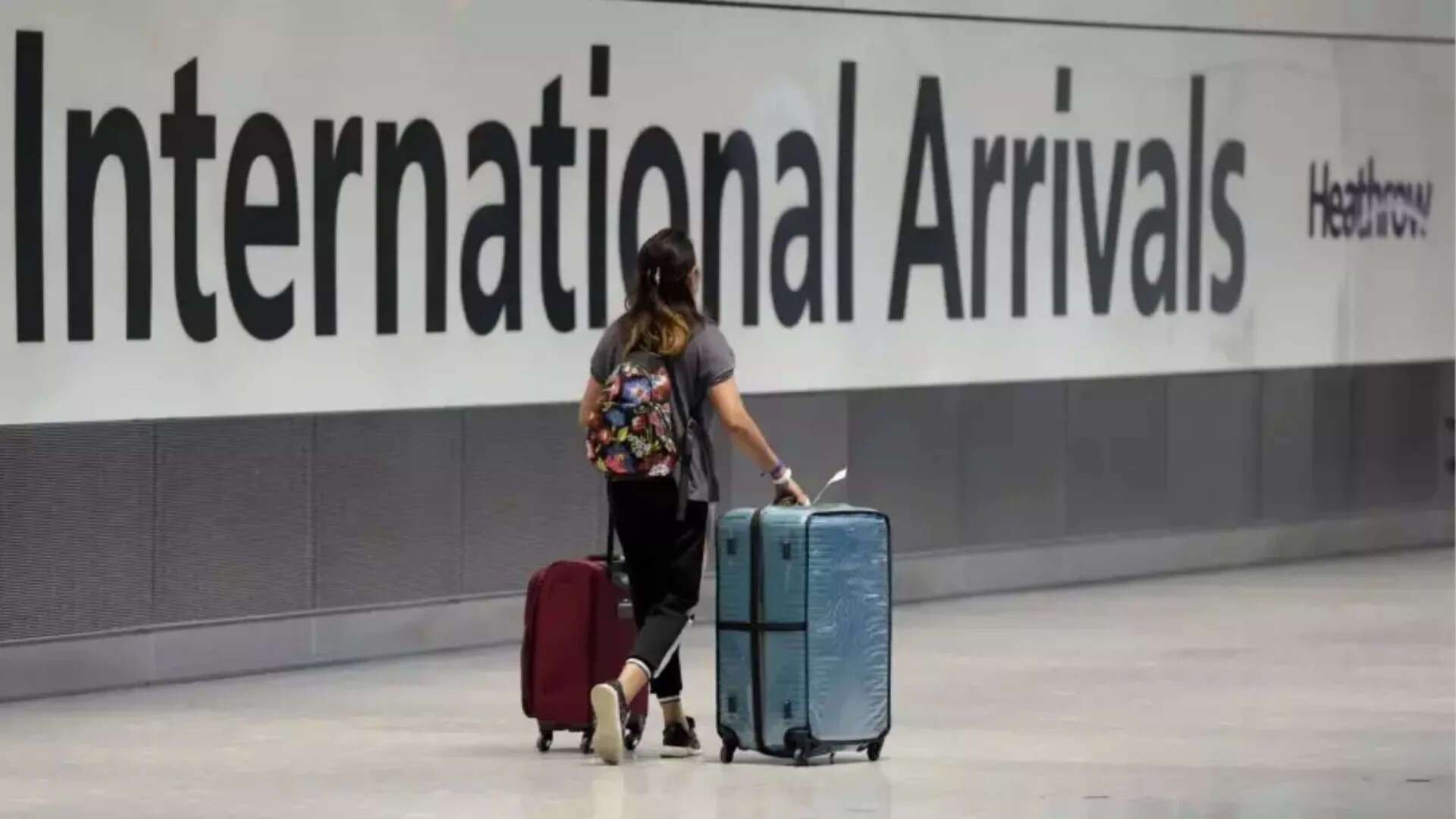
If you’ve got a flight booked to the Middle East this month, you need to stop what you're doing and check the latest government alerts. The Foreign, Commonwealth & Development Office (FCDO) didn't just tweak a few lines on a website; they essentially red-penned a massive chunk of the map. With regional tensions hitting a boiling point in March 2026, the UK has blacklisted 14 countries—and heavily restricted several others—under a "do not travel" advisory.
This isn't about being overly cautious. It's about the fact that if you go against this advice, you're effectively on your own. Your travel insurance? Likely void. Your chance of getting a flight home if things kick off? Slim to none.
The countries you need to avoid right now
The "red list" is no longer just the usual suspects. While places like Syria and Yemen have been no-go zones for years, the current list includes destinations that many Brits previously considered safe havens or business hubs.
The 14 countries currently under a "do not travel" (all travel) warning for the whole or significant parts of their territory include:
- Iran, Iraq, and Israel: The core of the current instability.
- Lebanon: Recently upgraded to a full "do not travel" warning as hostilities expand.
- Palestine: Specifically Gaza and parts of the West Bank.
- Syria and Yemen: Long-term high-risk zones.
- Afghanistan and Pakistan: Volatile border regions and internal security threats.
- Armenia and Azerbaijan: Tensions near the borders have made these areas unpredictable.
- Egypt and Turkey: While the tourist resorts remain "green" for now, the FCDO has slapped "do not travel" tags on regions near the borders (specifically within 10km of the Syrian border for Turkey and the Libyan border for Egypt).
It’s a grim list. If you’re in Lebanon or northern Israel, the message from the Foreign Secretary, Yvette Cooper, has been blunt: Leave now while commercial options are still on the table. We’ve already seen over 100,000 British nationals scramble back from the region since the start of the month.
The Dubai and Doha dilemma
Here’s where it gets complicated for the average holidaymaker. Popular transit hubs like the United Arab Emirates (UAE) and Qatar are currently under an "all but essential travel" advisory.
Think about that for a second. Dubai International Airport, usually one of the busiest spots on the planet, saw flights suspended just yesterday after a drone hit a fuel tank nearby. This isn't theoretical anymore. When the government says "all but essential," they’re telling you that your week of sunshine in the Sun and Sand isn't worth the risk of being stranded—or worse.
If you ignore this and go anyway, you're playing a dangerous game with your wallet. Most standard insurance providers will not pay out for medical emergencies or cancellations if you've flown into a zone the FCDO warned you against. Honestly, it's just not worth the gamble.
What to do if you have a trip booked
Don't panic, but do act. If your destination has moved into the "all travel" or "all but essential" category, you have rights.
- Contact your tour operator: If you booked a package holiday, you're in the strongest position. Under ABTA rules, if the FCDO advises against travel, the company should offer you an alternative or a full refund.
- Talk to your airline: Many carriers, including British Airways and Emirates, have already cancelled flights to places like Abu Dhabi and Tel Aviv. If they cancel the flight, they owe you a refund or a reroute.
- Check your insurance immediately: If you booked everything separately (DIY style), your insurance is your only safety net. Some "cancel for any reason" policies might help, but most will only trigger once the FCDO advice officially changes.
The reality of being stranded
I’ve seen people assume the government will just send a plane for them if things go south. That’s a massive misconception. While there have been some charter flights from Muscat and Dubai, they aren't free, and they aren't guaranteed.
The UK military base at RAF Akrotiri in Cyprus was recently targeted by a drone strike. This conflict is moving fast. If you're currently in a high-risk area like Kuwait or Bahrain, the FCDO wants you to "register your presence" on their website immediately. It’s the only way they can track you if they need to coordinate a mass departure.
Your immediate checklist
Stop looking at Instagram photos of Dubai and start looking at the FCDO's official travel advice pages.
- Check your destination status: Is it "Red" (No travel) or "Amber" (Essential only)?
- Register with the FCDO: If you are already in the Middle East, do this today.
- Screenshot your insurance policy: Know exactly what it says about "war and civil unrest" clauses.
- Call your travel agent: Ask for their policy on FCDO-mandated cancellations.
The map is changing daily. Don't be the person caught at the boarding gate with a ticket to a country that’s currently a flashpoint. Stay informed, stay home if you're advised to, and wait for the situation to settle before you try to catch that flight.