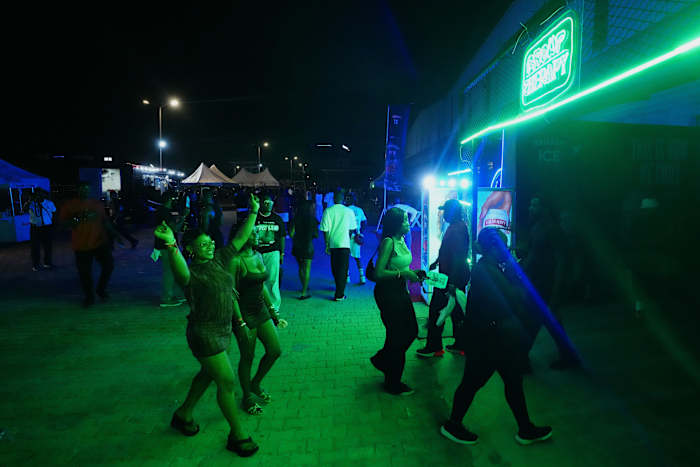
The strobe lights in a dusty, half-finished warehouse in Iganmu don’t care about your bank balance. That’s the first thing you notice. In a city where your table position at a Victoria Island club usually dictates your social worth, the rising underground rave scene is a middle finger to the status quo. Lagos nightlife is changing. It had to.
Young Nigerians are tired. They’re tired of the "bottle service" culture that demands they spend half a year's salary on a lukewarm bottle of Hennessy just to sit on a white leather sofa. They’re tired of the judgmental bouncers and the repetitive playlist of the same five Afrobeats hits. The shift toward raves isn't just a musical preference. It’s an economic necessity and a social rebellion.
The death of the VIP table
Let’s be real about the numbers. Nigeria’s inflation hit levels in 2024 and 2025 that made standard clubbing a luxury for the 1%. When a single night out at a premium spot in Lekki Phase 1 starts at 500,000 Naira for a basic setup, you’ve effectively locked out the creative class, the students, and the young professionals who actually give a city its pulse.
Club owners in Lagos got greedy. They optimized for "big men" and "G-Wagon" energy, forgetting that culture is built by people who dance, not people who stare at their phones while waiting for sparklers to arrive at their table. This created a vacuum.
Enter the rave collectives. Groups like Santi’s No_Signal, Elements, and Village Sound System realized they could rent a space, bring in a massive sound system, and charge a fraction of the price. The focus shifted from "Who are you?" to "Are you here for the music?"
Why the warehouse beats the lounge
Raves offer something a polished lounge can’t provide. Freedom. In a traditional Lagos club, there’s an unspoken dress code. You wear the expensive shoes. You carry the right bag. At a rave in an old printing press or a beachside shack in Tarkwa Bay, the uniform is sweat, sneakers, and baggy tees.
The music is different too. While the rest of the world thinks Nigeria only listens to Afrobeats, the underground is obsessed with Alté, electronic infusions, Amapiano, and high-tempo techno. It’s louder. It’s raw. It’s communal.
I’ve seen kids from different worlds—surfers from Tarkwa, tech bros from Yaba, and fashion designers from Surulere—all losing their minds to the same heavy bassline. That kind of cross-class pollination doesn't happen at the "exclusive" clubs on the Island. Those places are designed to keep people apart. Raves are designed to shove them together.
The logistics of the underground
Organizing these events isn't easy. It’s a game of cat and mouse with local authorities and a constant battle with the power grid. Most organizers rely on heavy-duty generators and word-of-mouth marketing via Telegram and private WhatsApp groups. This "if you know, you know" energy makes the experience feel earned.
- Location scouting: Organizers look for spots that are "off-grid." Think abandoned factories, rooftops in Lagos Island, or private gardens in Ikeja.
- Safety first: Because these aren't traditional venues, security is a huge concern. The best raves use private security teams that understand the vibe—they’re there to keep people safe, not to intimidate them for not being "important" enough.
- The Ticket Model: Instead of making money on marked-up alcohol, raves make money on ticket sales. It’s a more sustainable model that ensures the performers and DJs actually get paid.
Breaking the Afrobeats monopoly
Afrobeats is the pride of Nigeria, but even the best meal gets boring if you eat it every single night. The rave scene is where the "Alté" movement truly lives. It’s a laboratory for new sounds. DJs like DJ Wyre or Uncle Buke aren't just playing the Top 40. They're blending traditional percussive sounds with industrial electronic music.
This experimentation is why the scene is growing. It feels fresh. It feels like something is actually happening. When you’re at a rave, you feel like you’re part of a movement, not just a customer.
The economic reality of the 20s
You can’t talk about this shift without talking about the Naira. With the cost of living skyrocketing, the "entry fee" for traditional nightlife became a barrier. Raves offer a "pay-what-you-can" or "early bird" ticket system that respects the financial reality of Gen Z and Millennials.
It’s also about the transparency. At a rave, you know what you’re paying for. You aren't hit with "hidden" table fees or pressured by servers to keep buying rounds. You buy your ticket, you buy a few drinks at a reasonable price, and you dance until the sun comes up.
Finding the right vibe
If you’re looking to ditch the velvet ropes and actually experience Lagos, stop looking at the billboards on the Ozumba Mbadiwe road. Start following the DJs. Look for the flyers that look like glitch art.
Check out events by The Native or keep an eye on the Alté scene's social media. The best parties usually aren't announced until 48 hours before they happen. That’s part of the magic.
The next time you’re asked to spend six figures on a table just to hear a DJ shout over a track you’ve heard a thousand times, remember there’s a warehouse somewhere in the city where the music is better and the people are real.
Go find it. Bring comfortable shoes. Leave the ego at the door. The rules of Lagos nightlife have been rewritten, and honestly, it’s about time.
Stop checking your bank app and start checking the underground forums. The real party isn't on the Island lounges anymore—it’s wherever the bass is loudest and the lights are dim.