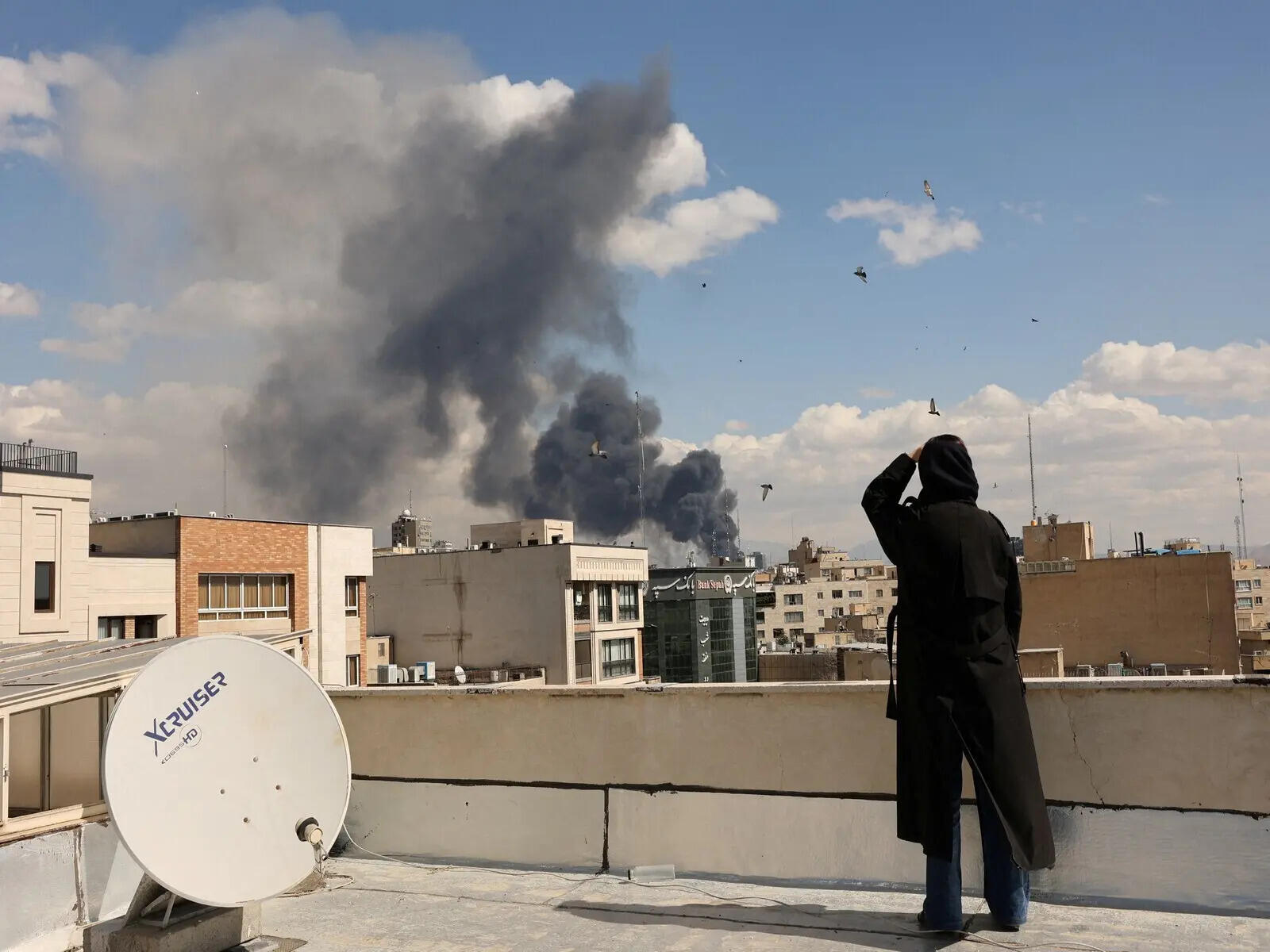
Gulf leaders didn't just gather in Jeddah this Tuesday for the sake of tradition. They met because the ground beneath their feet has fundamentally shifted. For two months, the region has been a literal front line in the U.S.-Israeli war against Iran, and the "security" people took for granted is gone.
Crown Prince Mohammed bin Salman (MBS) greeted his counterparts under the shadow of a fragile April 8 ceasefire that nobody actually trusts. When the missiles started flying on February 28, they didn't just hit military targets. They hit the core of the Gulf's "safe haven" brand. We’re talking about damaged desalination plants, blackened energy hubs, and a Strait of Hormuz that turned into a ghost town.
This meeting was less about "coordination" and more about survival. If you think this is just another diplomatic tea party, you’re missing the bigger picture.
The end of the Gulf safety myth
For years, the narrative was simple: the Middle East is messy, but the Gulf is the exception. You could build futuristic cities, host global sporting events, and invite millions of expats because the "chaos" stayed across the water. The 2026 Iran war shattered that.
When Iranian drones and missiles began raining down on airports and hotels in Dubai, Doha, and Riyadh, the bubble burst. This wasn't a proxy war in Yemen or a skirmish in Lebanon. It was a direct hit on the economic engine of the world.
- Food Security is a Disaster: The closure of the Strait of Hormuz on March 4 was a wake-up call. These countries import about 80% of what they eat. By mid-March, 70% of those imports were gone. People were airlifting lettuce and flour just to keep shelves from going empty.
- The Water Crisis: This is the one nobody likes to talk about. Most of these cities only exist because of desalination. If those plants go down permanently, the countdown to a humanitarian catastrophe starts in hours, not days.
- Economic Bleeding: GDP growth forecasts for 2026 have been slashed. In places like the UAE and Qatar, where you can't just truck oil across a border, the inability to ship through the Strait has been devastating.
The Jeddah summit is the first time these leaders have sat across from each other since the war began. The tension in the room wasn't just about Iran; it was about the fact that their collective security model—relying on American umbrellas—just failed its biggest test.
A fractured house in a burning neighborhood
Don't let the smiling photos from the Saudi Press Agency fool you. The Gulf Cooperation Council (GCC) is currently a mess of internal disagreements.
The UAE is reportedly furious. Senior officials like Anwar Gargash haven't held back, calling the GCC’s collective response "the weakest in history." There’s a feeling in Abu Dhabi that while everyone helped each other logistically, the political and military backbone was non-existent.
Then there’s the "sovereignty paradox." Everyone wants a joint defense system until it's time to actually share command or intelligence. Saudi Arabia wants to lead a unified front, but smaller states remain wary of being swallowed by Riyadh's ambitions. Meanwhile, Oman and Qatar are still trying to play the middle ground, keeping channels open with Tehran while their neighbors' oil tanks are still smoldering.
You can't have a unified response when half the group wants to fight and the other half wants to host the next round of peace talks.
What’s actually on the table in Jeddah
The immediate goal is a response to the "latest Iranian offer" being weighed by the White House. But the Gulf leaders aren't waiting for a thumb's up from Washington anymore. They’ve learned that when the missiles fly, they’re the ones who have to live with the fallout.
- Securing the Strait: There's a desperate push to find a way to reopen the Strait of Hormuz permanently. 20% of the world’s oil and LNG is stuck. Every day it stays closed, the global economy edges closer to a 1970s-style meltdown.
- The "Grocery" Emergency: They’re looking at building massive, shared strategic food and water reserves. Relying on "just-in-time" shipping for 90% of your drinking water is a suicide pact in a war zone.
- Currency Support: Look at Bahrain. It’s one of the most indebted countries on earth. The war basically turned its economy off. The UAE already had to step in with a 20 billion dirham swap to keep the Bahraini currency from collapsing. Expect more of these "bailout" conversations behind closed doors.
The hard truth about the recovery
Recovery isn't just about fixing a few holes in a refinery. It’s about trust. The Gulf's wealth is built on the idea that it's a stable place for foreigners to work and invest. Once that's gone, it’s incredibly hard to get back.
The 2026 war has been a "stress test" that exposed every single fissure in the regional model. It showed that authoritarian stability is fragile when the sky starts falling. It showed that being a "neutral" business hub doesn't protect you from a neighbor with a massive drone arsenal.
If you’re watching the news for a "victory" announcement, you’re looking at the wrong thing. Watch the shipping lanes. Watch the food prices in Riyadh. Watch whether the UAE and Saudi Arabia can actually agree on a military strategy.
The Jeddah summit wasn't a celebration of a ceasefire. It was a group of people realizing that the old rules of the game are dead. The next few weeks will decide if they can write new ones fast enough to save their economies.
Start looking at alternative supply routes now. If you're a business leader in the region, "business as usual" is a fantasy. Diversify your logistics away from the Strait and double down on local resilience. The ceasefire might hold, but the era of easy security is over.