Japan is quietly shutting its doors to the very entrepreneurs it spent years trying to attract. If you walk through the backstreets of Tokyo, you will find thousands of small restaurants, trading offices, and boutique agencies run by foreign nationals. They pay taxes. They build communities. They call Japan home.
Now, a sweeping regulatory shift threatens to wipe them out.
The Immigration Services Agency recently overhauled the business manager visa. The changes went into effect in late 2025, and the fallout in 2026 is devastating. Overnight, the government raised the financial bar to astronomical heights. It added strict language barriers and hiring mandates that the average small business simply cannot meet.
For thousands of independent founders, the message from immigration officials is clear. If you aren't a multi-million-dollar corporation, we don't want you here.
The Devastating Sixfold Capital Jump
Before the government altered the ministerial ordinances, the requirements for a business manager visa were relatively clear. You needed to invest at least 5 million yen in capital or employ two full-time workers. This system allowed independent operators to get a foothold. It gave niche cafes, small tech startups, and independent consultants a fighting chance to build a viable enterprise over time.
That path is gone.
The new regulations pushed the minimum capital requirement from 5 million yen to a staggering 30 million yen. That is a sixfold increase. It translates to roughly 185,000 dollars just to sit at the table.
For a massive multinational expanding into Tokyo, that money is pocket change. For an independent restaurant owner or a young software developer, it is an impossible hurdle. Most domestic Japanese businesses don't even operate with that kind of capital. Data from Tokyo Shoko Research shows that about 90% of all companies established in Japan in 2024 had capitalizations under 10 million yen. The government is holding foreign entrepreneurs to a financial standard that local citizens rarely have to meet.
The immediate impact of this rule has been a total collapse in new entrepreneurship. Immigration data reveals that new applications for the business manager visa plummeted by 96% in the five months after the rule change. The monthly average cratered from 1,700 applications to just 70. The policy didn't just filter the applicant pool. It vaporized it.
The Unrealistic Local Hiring Mandate
Money is only the first obstacle. The revised framework introduces a hiring mandate that completely ignores the reality of Japan's current economy.
Under the old rules, meeting the 5 million yen capital requirement meant you didn't strictly have to hire full-time local workers right away. The new policy mandates that you must do both. You must have the 30 million yen in capital, and you must employ at least one full-time worker who is a Japanese national or an unrestricted permanent resident.
This requirement is a massive financial burden. Paying a full-time salary, plus mandatory social insurance and labor insurance contributions, can easily drain millions of yen annually from a young company's cash flow.
Finding someone willing to take the job is even harder. Japan is currently dealing with an unprecedented labor shortage. Local workers have their pick of jobs at established, stable Japanese corporations. They are highly reluctant to risk their careers at a foreign-owned startup where the founder’s own visa status hangs in the balance every twelve months.
Strict New Language and Credentials Filters
The government also added strict qualitative hurdles. Previously, you didn't need to prove formal business degrees or high-level Japanese language skills if your business plan and capital were solid.
Now, immigration authorities demand that either the foreign applicant or their full-time local employee holds a high level of Japanese language proficiency. Specifically, you need a CEFR B2 level or a Japanese Language Proficiency Test (JLPT) N2 certification.
If you are a brilliant software architect or a specialized logistics operator, your inability to read complex Japanese legal documents can now disqualify you from running a business. The rules also require the applicant to have at least three years of executive or managerial experience, or hold a graduate degree in a business-related field. The era of the self-taught, scrappy expat entrepreneur is officially being forced to a close.
Furthermore, you can no longer use a home office or a co-working virtual address to run your operations. The Immigration Services Agency now demands a physical, dedicated commercial business office that matches the scale of the operations.
Every single business plan must be professionally reviewed and validated by a certified small and medium enterprise consultant, a certified public accountant, or a licensed tax attorney before submission. This adds thousands of dollars in administrative costs before you even file your paperwork.
Why the Government Pulled the Plug
To understand how things got this bad, you have to look at the loopholes that existed under the old system. The Immigration Services Agency maintains that the crackdown was necessary to combat systemic visa abuse.
For years, wealthy foreign buyers utilized the 5 million yen business manager visa as a back-door residency permit. They would set up shell companies with zero real commercial activity. Often, these shell companies merely bought a single residential property, turned it into an Airbnb short-term rental, and claimed the owner was actively managing an international hospitality business.
This practice became highly popular among wealthy individuals from mainland Asia who wanted a safe-haven residency in Japan without actually contributing to the broader economy.
Instead of target-blocking short-term rental properties or auditing shell companies individually, the ruling Liberal Democratic Party opted for a blunt-force instrument. They raised the financial stakes so high that only the ultra-wealthy or major corporations could survive the screening process. The tragedy is that this blanket policy heavily damages genuine, hard-working small business owners while doing little to stop billionaires who can easily write a check for 30 million yen.
The Human Cost of Stricter Policies
Behind the corporate filings and policy documents are real people who invested their life savings into the country.
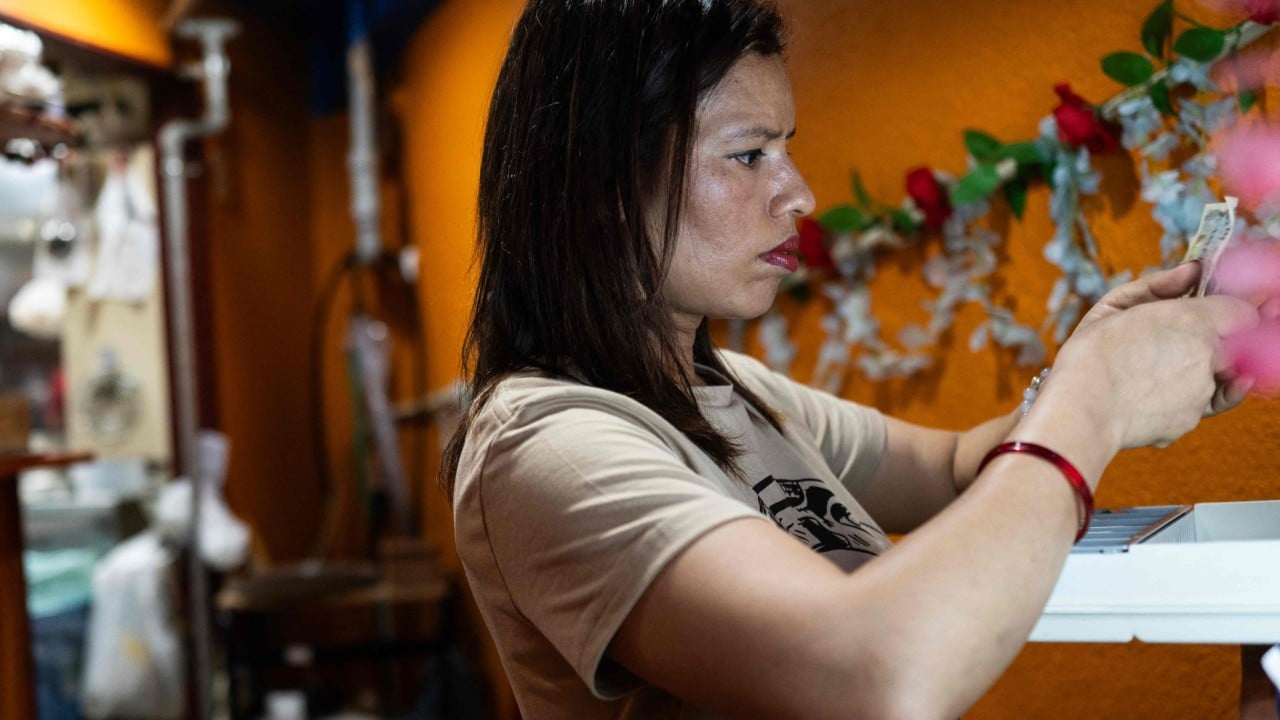
Consider the story of Budhathoki Samjhana. She is a Nepalese national who runs the Chitwan Rhino Restaurant and Bar in the Okubo-Shin area of Tokyo. She spent ten years away from her young daughter, working grueling hours to build a stable life and establish her business. Now, because she runs a small neighborhood eatery, raising 30 million yen in paid-in capital and finding local staff is a logistical nightmare. She faces the grim prospect of forced departure, her dreams completely shattered by a sudden pen stroke in a government office.
Then there are operators like Peter, who manages a busy Indian restaurant in Kodaira, Tokyo. He notes that preparing 30 million yen for a localized restaurant business is an absurd demand. Restaurants operate on thin margins. They rely on steady foot traffic and local patronage, not massive venture capital injections.
Administrative scriveners who have handled thousands of visa applications over the decades point out that probably only 1% of the current 40,000 to 45,000 business manager visa holders in Japan possess 30 million yen in liquid capital. Immigration officials appear to be imagining an idealized corporate ecosystem consisting entirely of high-tech firms and massive trading entities. They are completely out of touch with the reality of the small-scale services that keep Japan's international neighborhoods vibrant.
Surviving the October 2028 Grace Period
If you currently hold a business manager visa, you aren't being deported tomorrow. The government built a transitional grace period into the law. Existing visa holders who need to renew their stay between now and October 16, 2028, will be evaluated under a comprehensive assessment.
Immigration officers will look at your current business performance, your past compliance with tax and social insurance obligations, and your long-term plan to eventually meet the new criteria. However, this is a temporary safety net, not a permanent pass. The government expects clear efforts toward alignment with the new standards.
If you want to keep your business alive in Japan past 2028, you must take proactive steps right now.
Restructure Your Capital Base
Do not wait until 2028 to figure out your finances. You need to look for ways to increase your company's paid-in capital. This might mean bringing on a silent partner, reinvesting all retained earnings back into the business entity, or seeking loans that can be converted into equity. If you are a sole proprietor, you must prove that the total funds committed to your daily operations hit that 30 million yen mark.
Secure Local Partnerships
Since hiring a full-time Japanese national or permanent resident is mandatory, you need to embed local recruitment into your immediate cash flow projections. If you cannot afford a high-salary executive, look for permanent residents or spouses of Japanese nationals who possess the required JLPT N2 language skills and are looking for flexible, full-time operational roles.
Pivot to Alternative Visa Statuses
If meeting the 30 million yen mark is completely impossible, you must explore other residency paths before your current visa expires. For executives dispatched from overseas parent companies, the Intra-Company Transferee visa remains an option, though immigration officials heavily scrutinize applicants to ensure they aren't just using it to bypass the business manager rules.
Alternatively, if your business focuses on innovative technology, look into the specific local startup visas offered by municipal governments like Tokyo, Fukuoka, or Shibuya. These specialized frameworks offer temporary structural relief and lower initial capital thresholds, giving you more time to scale up your enterprise.
The regulatory environment in Japan has grown undeniably cold toward independent foreign creators. The golden era of entering the Tokyo market with a handful of savings and a dream is over. To survive here, you have to play a much tougher, more expensive game. Start adjusting your corporate structure today, or prepare to pack your bags.