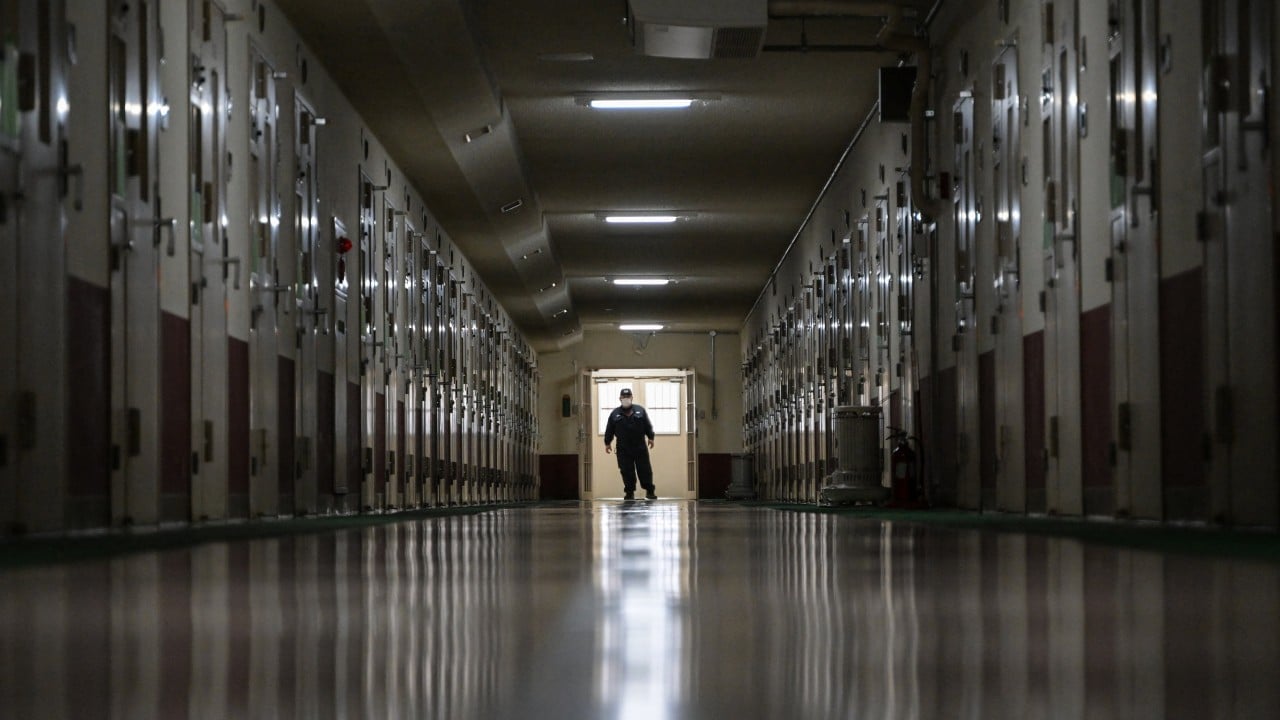
Imagine your 16-year-old daughter leaves for her job at a care facility, gets accused of a minor scuffle, and comes home so broken by the police that she literally starves herself to death. It sounds like a dystopian nightmare. But it just happened in Japan, a country famous for its low crime rates and clean streets.
On June 17, 2026, a heartbroken mother filed a lawsuit in the Kobe District Court against the Japanese state. Her daughter, referred to under the pseudonym Runa, died in December after an 18-day stint in police detention. She didn't die from an injury in jail. She died five months later because the sheer psychological trauma of her interrogation triggered acute stress, PTSD, and a severe eating disorder. By the time her body gave up, she weighed just 20 kilograms. That is 44 pounds. For a teenager.
This case is blowing the lid off Japan's notorious criminal justice mechanism, a phenomenon human rights groups call hitojichi司法 or "hostage justice." If you think you're safe under the law because you're innocent, Japan's legal framework will make you think twice.
The 99 Percent Trap
Japan boasts a criminal conviction rate higher than 99 percent. On paper, it looks like hyper-efficient policing. In reality, it is a statistical red flag. The system achieves this number by keeping suspects locked up until they break down and sign a confession.
If you refuse to confess, prosecutors simply keep extending your detention. You are isolated, cut off from your family, and interrogated for hours every day without a lawyer in the room. Your freedom is held hostage in exchange for a signature on a piece of paper.
Look at what happened to Runa. In June 2025, she was working at a care facility for individuals with disabilities in the Hyogo region. During a Valentine's Day party, a patient tried to bite another person. Runa stepped in. According to her legal team, she gently placed her hand on the patient's chin to stop the bite. The facility reported it as an assault.
The police didn't see a minor workplace intervention. They saw a criminal.
Broken Inside an 18-Day Black Hole
Runa had no record of delinquency. She lived at home under her mother's supervision. There was zero chance she was going to flee the country or destroy evidence. Yet prosecutors fought aggressively to keep her locked up, securing multiple extensions.
Her lawyer, Masahiro Sasaki, shared excerpts from a journal Runa kept during those 18 days. The interrogation tactics used on a child were brutal. Investigators threatened her with a reformatory. They told her she wouldn't see her mother again unless she confessed.
"You did it, didn't you? Just tell the truth," one investigator demanded, according to her diary.
She stayed silent and maintained her innocence. So they kept her in the black hole. She only got out after she physically collapsed, vomited, and had to be rushed to an outside hospital. The next day, prosecutors dropped the charges entirely due to lack of prosecution. They let her go because her body broke, but the damage to her mind was already done.
The Cost of Staying Silent
International rights groups like Human Rights Watch have slammed Japan for years over this behavior. The core flaw is that Japanese judges rubber-stamp detention requests too easily. Judges view a confession as a sign of remorse. If you confess, you get bail. If you insist you are innocent, judges assume you will destroy evidence or run away, so they deny bail.
This structural rot affects everyone, from corporate titans to teenagers. Look at the timeline of other recent legal battles against the state.
- March 2020: Executives of machinery maker Ohkawara Kakohki were arrested for allegedly exporting sensitive equipment to China.
- February 2021: Shizuo Aishima, one of the executives, died of stomach cancer at age 72 after being denied bail for 11 months because he refused to confess. Prosecutors dropped the case shortly after his death. His family filed a 170 million yen lawsuit in April 2026.
- March 2025: Four survivors of prolonged pretrial detention launched Japan's first major constitutional class-action suit to challenge the legality of the detention system.
- June 2026: Tsuguhiko Kadokawa, the 82-year-old former chairman of publishing giant Kadokawa, launched his own legal battle after being held for 226 days over Olympic bribery allegations, stating he faced a life-threatening heart crisis while being denied bail for refusing to confess.
The Justice Ministry defends the system, claiming on its website that it does not force confessions and strictly respects human rights. Try telling that to a mother looking at her daughter's empty room.
Knowing Your Rights Abroad
If you live in or travel to Japan, you need to understand that the legal shield you expect at home doesn't exist there. Here is the reality of what happens if you find yourself in the crosshairs of Japanese law enforcement.
First, the police can hold you for up to 48 hours right after an arrest. The prosecutor then gets another 24 hours to ask a judge for a detention order. If the judge approves it—and they almost always do—you are stuck for 10 days. The prosecutor can then ask for another 10-day extension. That is 23 days of detention before you are even formally charged with a crime.
Second, your lawyer cannot be in the interrogation room with you. They can visit you in the detention center, but when you are sitting across from investigators being yelled at or threatened, you are completely on your own.
Third, you have the right to remain silent, but exercising it will guarantee you stay in jail longer. The system treats silence as non-cooperation, which judges use as a justification to deny bail.
Runa's mother is seeking 100 million yen in damages. She knows the money won't bring her daughter back. The real goal is forcing a closed legal system to look in the mirror before another child is starved by the state's psychological pressure. Change moves slowly in Japan, but the mounting pile of lawsuits from grieving families and broken executives is making the status quo impossible to ignore.


