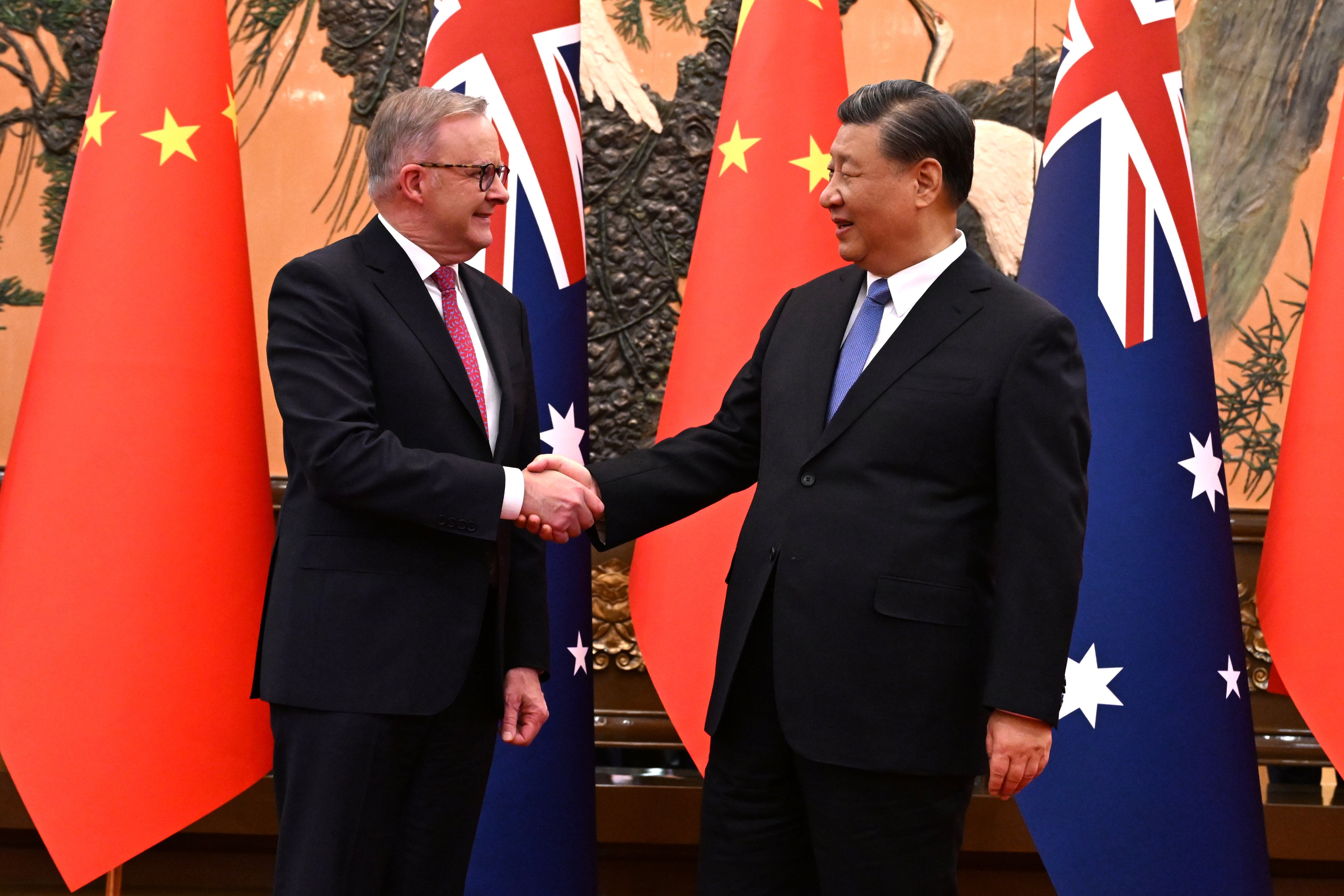
Twenty-one hours wasn't enough to undo nearly five decades of bad blood. Despite the high-stakes atmosphere at the Serena Hotel in Islamabad, the marathon negotiations between U.S. Vice President J.D. Vance and Iranian officials ended on Sunday morning without a signature.
If you're looking for a simple reason why the deal collapsed, it boils down to two things: uranium and the Strait of Hormuz. Washington walked in demanding a total surrender of Iran's nuclear ambitions. Tehran walked in demanding the keys to the world's most critical oil chokepoint. Neither side budged, and now the world is left wondering if the two-week ceasefire will survive the trip home. Expanding on this topic, you can also read: The Collateral Damage Myth Why Precision Warfare is a Nigerian Fantasy.
The nuclear wall that nobody could climb
The biggest hurdle in Islamabad wasn't a lack of effort; it was a lack of trust. Vice President Vance was blunt when he spoke to reporters before boarding Air Force Two. He made it clear that the U.S. isn't interested in a temporary fix. Washington wants an "affirmative commitment" that Iran won't just stop building a bomb now, but will lose the tools to build one forever.
According to officials familiar with the 15-point U.S. proposal, the "red lines" were non-negotiable. The Trump administration isn't just asking for less enrichment; they're demanding the dismantling of all major enrichment facilities and the physical removal of nearly 900 pounds of stockpiled uranium. For the Iranian delegation, this felt like a demand for total capitulation rather than a peace treaty. Analysts at Associated Press have provided expertise on this trend.
Shipping lanes and the cost of passage
While the nuclear issue grabbed the headlines, the Strait of Hormuz was the secret deal-breaker. Iran's state-run Press TV basically confirmed that control over the waterway was a massive sticking point. Tehran wants to charge a toll for ships passing through—a move that would effectively give them a tax on 20% of the world's oil supply.
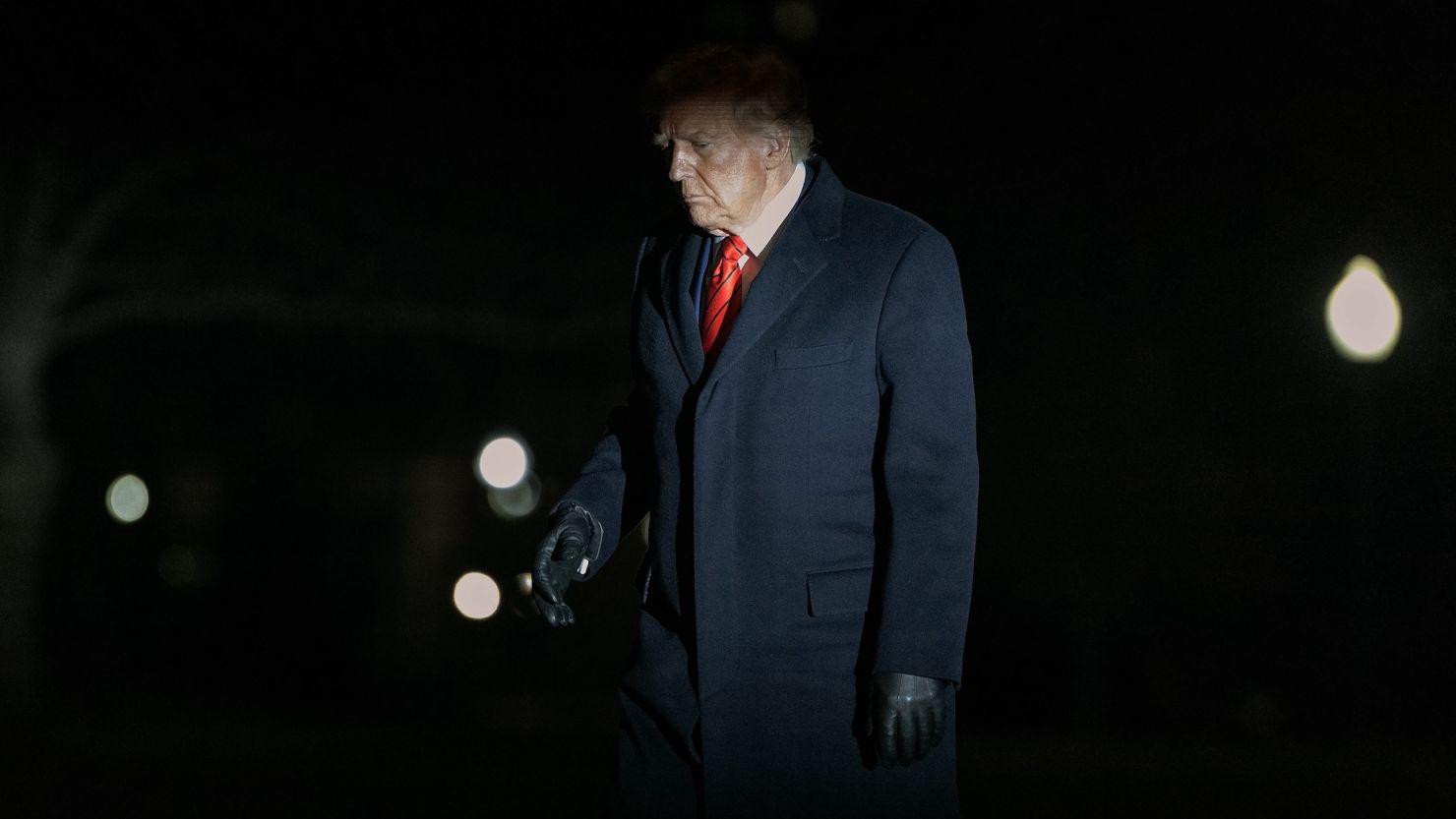
Donald Trump isn't having it. While Vance was still in the room negotiating, the President was on Truth Social claiming that U.S. forces are already "clearing out" the Strait. He's framing this as a military victory that doesn't need a diplomatic rubber stamp. If the U.S. maintains a permanent blockade or "freedom of navigation" operation, the risk of a direct naval clash goes from "possible" to "inevitable."
The reality of the 21 hour marathon
I've seen these types of high-pressure summits before, and they usually follow a predictable pattern. There's a flurry of optimism at the start, followed by "mood swings" as the exhaustion sets in around hour 15. Reports from the ground in Pakistan described rising tempers and a palpable "atmosphere of mistrust."
The Iranian delegation even brought symbolic reminders of civilian casualties to the table, trying to shift the moral weight of the conversation toward war reparations. It’s a classic tactic, but it rarely works when the other side is focused on hard security goals like nuclear non-proliferation and maritime trade.
What happens when the ceasefire expires
Don't let the lack of a deal fool you into thinking nothing happened. This was the highest-level engagement between these two nations since the 1979 revolution. That matters. But it also raises the stakes for what comes next.
- The Final Offer: Vance left a "final and best offer" on the table. This is basically a "take it or leave it" framework. If Tehran doesn't respond favorably within the next few days, expect the U.S. to ramp up "maximum pressure" tactics.
- The Hormuz Blockade: Trump has already threatened to close the Strait of Hormuz to Iranian interests entirely. If he follows through, oil prices will likely spike as markets price in the risk of a renewed shooting war.
- The Proxy Conflict: While the talks focused on the U.S. and Iran, the situation in Lebanon is still a mess. Israel hasn't stopped its operations, and Iran is still demanding an end to strikes on its allies as part of any grand bargain.
Honestly, the most likely outcome isn't a sudden peace treaty or a world-ending war. It's a return to the "gray zone" of conflict—sanctions, cyberattacks, and naval skirmishes. The Islamabad talks proved that both sides are willing to talk, but they also proved that neither side is ready to give up the very things that caused the war in the first place.
If you're watching the markets or the news for a sign of what's next, keep your eyes on the Strait. That's where the next move will be made, and it won't be made with a pen.