Irish drivers are finally seeing a bit of daylight at the petrol station. After a week defined by blockades, haulage protests, and a palpable sense of anger across the country, the government stepped in with a package designed to take the sting out of soaring energy costs. It isn't a silver bullet. You won't see prices revert to what they were two years ago. But for the average family or the small business owner trying to keep a van on the road, it's a necessary intervention that’s been a long time coming.
The core of the strategy centers on a significant reduction in excise duty. We’re talking about a 20-cent drop per liter for petrol and a 15-cent drop for diesel. There's also a smaller, though welcome, 2-cent cut for marked gas oil, often called green diesel. These changes didn't happen by accident. They're the direct result of intense pressure from both the public and industry groups who argued that the state was essentially profiting from the misery of high global oil prices through its tax take.
Why the Excise Cut Matters Right Now
High fuel prices act as a hidden tax on everything. When it costs more to fill a truck, it costs more to put bread on a shelf in Mayo or Donegal. The Irish government's decision to slash excise duty is an attempt to break that inflationary cycle before it spirals out of control. It’s a temporary measure, currently set to last until the autumn budget, but it provides immediate liquidity for households that were literally choosing between heating and eating.
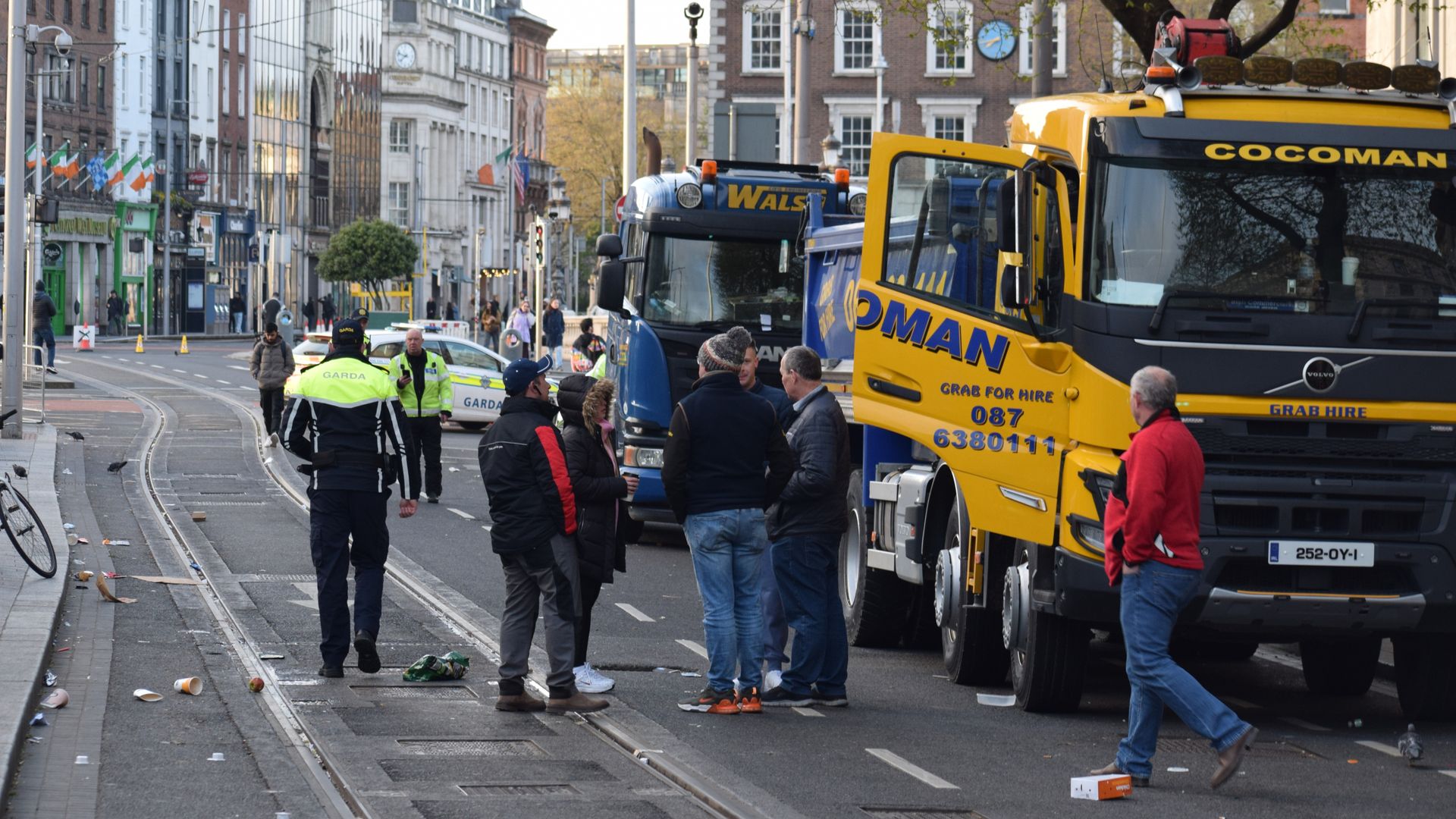
Protesters who parked their rigs across Dublin's docks and major thoroughfares made one thing clear: the status quo was breaking the back of the logistics industry. For a haulier running a fleet of ten trucks, a 15-cent difference per liter isn't just pocket change. It’s the difference between staying in business and laying off drivers. While some argue the cuts don't go far enough—many were pushing for a flat 30-cent reduction—the government had to balance the relief with the reality of a massive hole in the national exchequer.
The Numbers Behind the Relief
To understand the scale of this, you have to look at the total cost. This package is estimated to cost the Irish taxpayer around €320 million. That's a huge sum of money diverted from other public services.
- Petrol: 20 cent reduction per liter.
- Diesel: 15 cent reduction per liter.
- Green Diesel: 2 cent reduction per liter.
Critics are already pointing out that these cuts could be swallowed up by further price hikes on the international market. If Brent Crude jumps again because of geopolitical instability, that 20-cent saving might vanish at the pump within a fortnight. That's the gamble. The government is betting that prices will stabilize enough for this tax break to actually reach your wallet.
Watching the Retailers Like a Hawk
There's a lot of skepticism out there. You’ve probably felt it yourself. You hear about a tax cut on the news, but then you pull into a forecourt and the price is exactly the same as it was yesterday. The government knows this is a PR nightmare. They’ve tasked the Competition and Consumer Protection Commission (CCPC) with keeping a close eye on fuel retailers.
Public sentiment is at a boiling point. If retailers are found to be "price gouging" or simply absorbing the excise cut to pad their own margins, the backlash will be swift. It's a tricky balance. Petrol station owners often buy their fuel weeks in advance. If they bought a load at the "high" price before the tax cut was announced, they’re reluctant to sell it at a loss. But for the consumer, that logic doesn't hold much water when they're struggling to pay for a commute.
The Haulier Perspective and the Supply Chain
Truckers didn't just protest for the sake of it. Ireland's geography makes us incredibly dependent on road haulage. Unlike mainland Europe, we don't have a massive rail freight network. Everything moves by truck. When the Irish Road Haulage Association (IRHA) speaks, the government has to listen because a strike doesn't just mean traffic jams—it means empty supermarkets.
Small operators were the ones most at risk. They don't have the massive cash reserves of multinational logistics firms. They operate on razor-thin margins. These fuel measures are a lifeline, but they're also a reminder of how vulnerable our supply chain is to external shocks. We’re an island on the edge of Europe. Our energy security is inextricably linked to global events we can’t control.
Impact on Rural Ireland
If you live in Dublin, you might have the option to take the DART or a bus. In rural Ireland, that's often a fantasy. For many, a car isn't a luxury; it's a survival tool. The fuel crisis has hit rural communities hardest because the distances are longer and the alternatives are non-existent.
The excise cut is particularly vital here. It isn't just about the school run. It’s about the nurse getting to the hospital and the farmer getting to the mart. There's a feeling in the West and the Midlands that the "Dublin-centric" government finally woke up to the reality of life outside the M50.
Is This Enough to Stop More Protests
The short answer? Probably not. While the immediate anger has cooled, the underlying issues remain. People are still worried about the cost of living across the board. Heating oil, electricity bills, and grocery prices are all trending upward.
The protesters showed that they can effectively bring the capital to a standstill. That's a powerful card to play. If fuel prices creep back up toward the €2.20 mark even with the tax cuts, don't be surprised to see the trucks back on the quays. The government is walking a tightrope. They want to help, but they also have to fund the transition to green energy, which usually involves increasing carbon taxes, not cutting fuel duties.
Moving Forward Without Breaking the Bank
We have to be realistic about what happens next. This excise cut is a band-aid. It’s a necessary one, but it doesn’t fix the long-term problem of our dependence on fossil fuels.
- Check your local forecourts. Prices vary wildly even within the same town. Use apps and websites that track real-time fuel costs to ensure you’re getting the benefit of the tax cut.
- Report irregularities. If you see a station that hasn't moved its prices despite the national mandate, let the CCPC know. Public pressure works.
- Plan for the autumn. This measure is temporary. When the budget rolls around in a few months, expect a massive debate on whether to extend these cuts or let them expire.
The government has played its hand. Now, it's a waiting game to see if the global market plays ball. For now, take the win at the pump, but keep a close eye on your monthly budget. The volatility isn't over yet.