Wall Street is currently betting on a miracle. If you look at the S&P 500 or the latest Treasury yields, you'd think the Middle East was entering a period of cooling tensions. It isn't. The reality is that we're staring down the barrel of a prolonged conflict involving Iran that could reshape global trade for a decade. Most analysts are still treating the recent escalations as "isolated events." They’re wrong.
When you track the movement of tankers in the Strait of Hormuz or the sudden shifts in defense spending across the GCC, a different story emerges. We aren't looking at a flash-in-the-pan skirmish. This is the beginning of a multi-year shadow war moving into the light. If you're managing a portfolio or running a business with a global supply chain, you can't afford to ignore the structural shift in geopolitical risk.
The market has a habit of ignoring "slow-motion" disasters until the oil stops flowing. By then, it's too late to hedge.
Why the current stalemate is a dangerous illusion
The headlines focus on daily drone counts and retaliatory strikes. That's a distraction. The real issue is the erosion of deterrence. For years, the "status quo" was maintained because both sides feared a total breakdown. That fear is gone. Iran has shown it can launch hundreds of projectiles directly from its soil, and the West has shown its primary strategy is defensive interception.
This creates a "sunk cost" trap for regional powers. Once you've spent billions on defense and lost billions in shipping delays, the incentive to double down increases. It's a classic escalatory ladder. I’ve seen this pattern in historical energy crises. When the cost of the "wait and see" approach exceeds the cost of direct action, the missiles start flying in earnest.
We’re seeing the "red lines" move every week. Yesterday’s unthinkable escalation is today’s boring Tuesday. That’s how you get sucked into a ten-year war without ever meaning to start one.
The energy shock that doesn't look like 1973
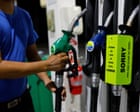
Everyone keeps looking for a 1973-style oil embargo. It's the wrong playbook. A modern, prolonged conflict with Iran won't just be about "turning off the taps." It will be about the sophisticated sabotage of digital infrastructure and the slow strangulation of maritime insurance markets.
If the Strait of Hormuz sees even a 20% reduction in traffic due to insurance hikes, the price of Brent won't just "spike"—it will find a new, permanent floor. We're talking about $110 or $120 oil as a baseline, not a peak.
- Shipping rates for Suezmax tankers are already decoupling from standard seasonal trends.
- Cyber warfare targets aren't just government sites anymore; they’re the automated loading systems at ports.
- Drone technology has democratized the ability to disrupt multi-billion dollar infrastructure for the price of a used Honda.
Don't wait for a formal declaration of war. The economic war started months ago. The physical war is just catching up to the balance sheet.
Why your portfolio isn't as safe as you think
Investors love to say "war is priced in." It’s a comforting lie. Usually, markets price in a three-month disruption. They don't price in a decade of "contested waters."
Think about the semiconductor industry. Or the massive data centers being built in the desert. Those require stable power and safe transit for parts. If the regional security umbrella folds, those investments become stranded assets. I’ve talked to logistics managers who are already rerouting around the Cape of Good Hope permanently. That isn't a "temporary adjustment." That’s a total rewrite of the global trade map.
The "risk-off" trade usually involves buying gold or US Dollars. But in a prolonged Iran conflict, those old reliables might behave differently. If the US is forced to commit massive naval resources to the region for years, it adds to an already bloated deficit. You might see a "triple threat" of high inflation, high interest rates, and low growth—the dreaded stagflation.
The intelligence gap on Iranian internal politics
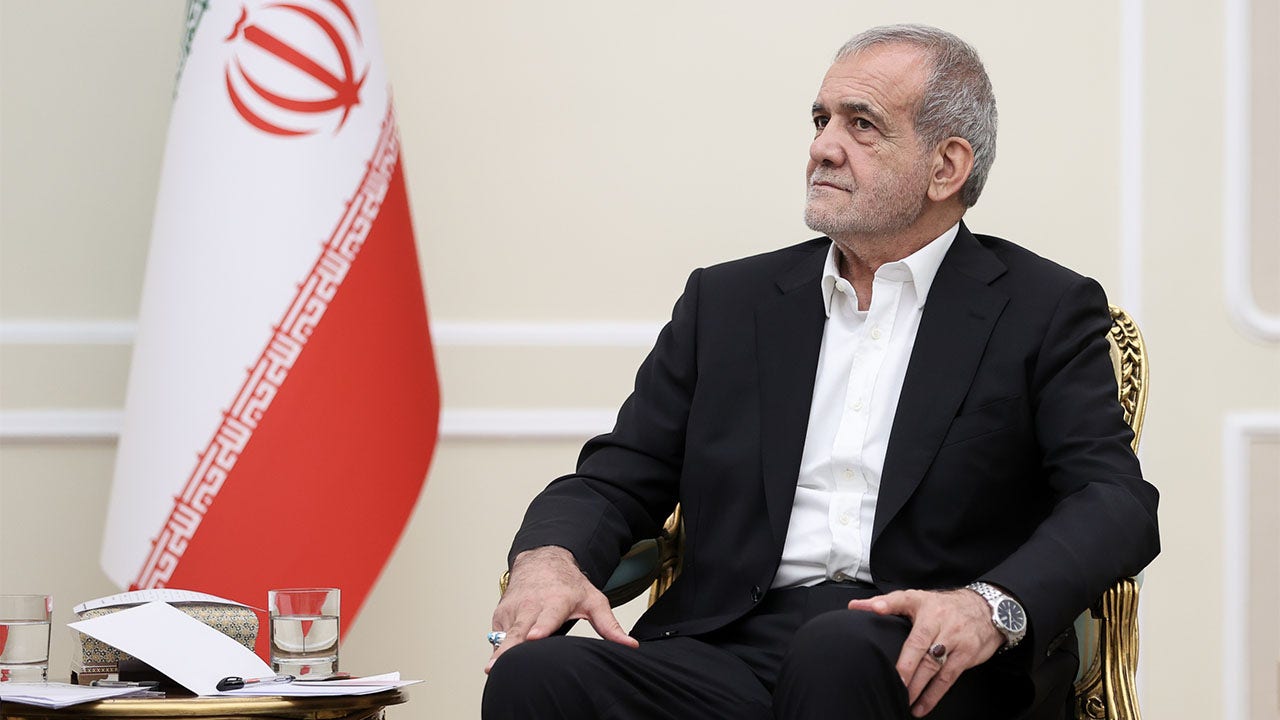
One mistake Western observers make is assuming Iran's leadership is a monolith. It’s not. There’s a fierce internal battle between the old-school pragmatists and the younger, more ideological hardliners. The hardliners want the conflict. They believe a state of permanent war justifies their grip on power and purges internal dissent.
If the hardliners win the internal power struggle, the "diplomatic off-ramp" disappears. You can't negotiate with someone whose entire political survival depends on the existence of an external enemy. This is why the "prolonged" part of this war is so likely. It’s not just about borders; it’s about the survival of a regime.
Hard steps to protect your capital now
Stop watching the 24-hour news cycle and start looking at the "boring" data. Look at the cost of maritime war-risk premiums. Watch the sovereign wealth fund movements in Qatar and the UAE. They’re the ones with the most skin in the game, and they’re diversifying out of the region faster than they'd like to admit.
- Audit your supply chain for "choke point" dependencies. If your goods pass through the Red Sea or the Gulf, find a Plan B that doesn't involve water.
- Shift into defense and energy infrastructure. This isn't just about weapon makers. It's about the companies building the power grids and the localized manufacturing hubs that don't rely on long-haul shipping.
- Watch the Fed's reaction to energy prices. If oil stays above $100 for more than two quarters, the "soft landing" narrative dies. Position your fixed-income holdings for a "higher for much longer" scenario.
- Increase your exposure to commodities that are produced far from the conflict zone—think Brazilian agriculture or Australian minerals.
The window for "cheap" protection is closing. The volatility you see today is just the market clearing its throat before the real show starts. Get your hedges in place before the rest of the world realizes this isn't just another news cycle. It's the new reality.