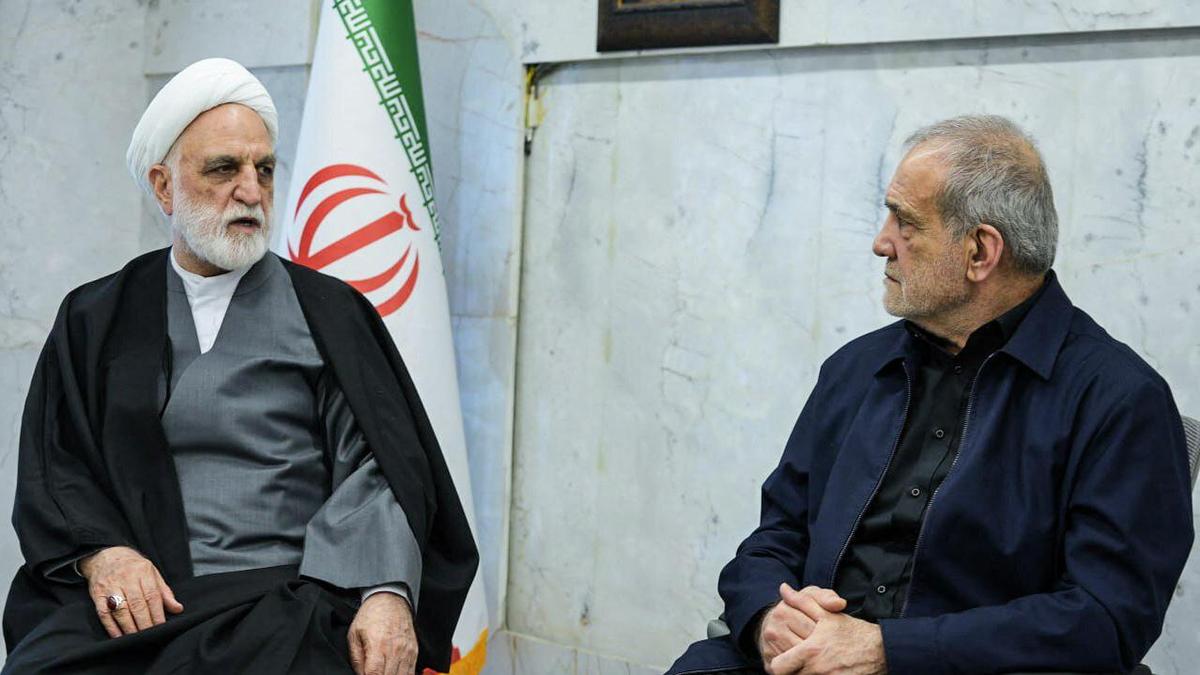
The Iranian government has just made it official: if you speak up in favor of the ongoing U.S. and Israeli military campaign, you’re an enemy of the state. It’s not just a warning for activists or high-profile dissidents anymore. This is a blanket threat targeting anyone within Iran’s borders who "says or does anything" that aligns with the "desires" of Washington or Jerusalem.
On Wednesday, March 4, 2026, Iran’s Judiciary Chief Gholamhossein Mohseni-Ejei took to state television to lay out a terrifying new legal framework. He didn't mince words. He stated that those cooperating with the enemy—even verbally—will be dealt with according to revolutionary Islamic principles and "wartime rules."
In plain English? The judiciary is preparing to hand out death sentences for social media posts.
The Logic of a Cornered Regime
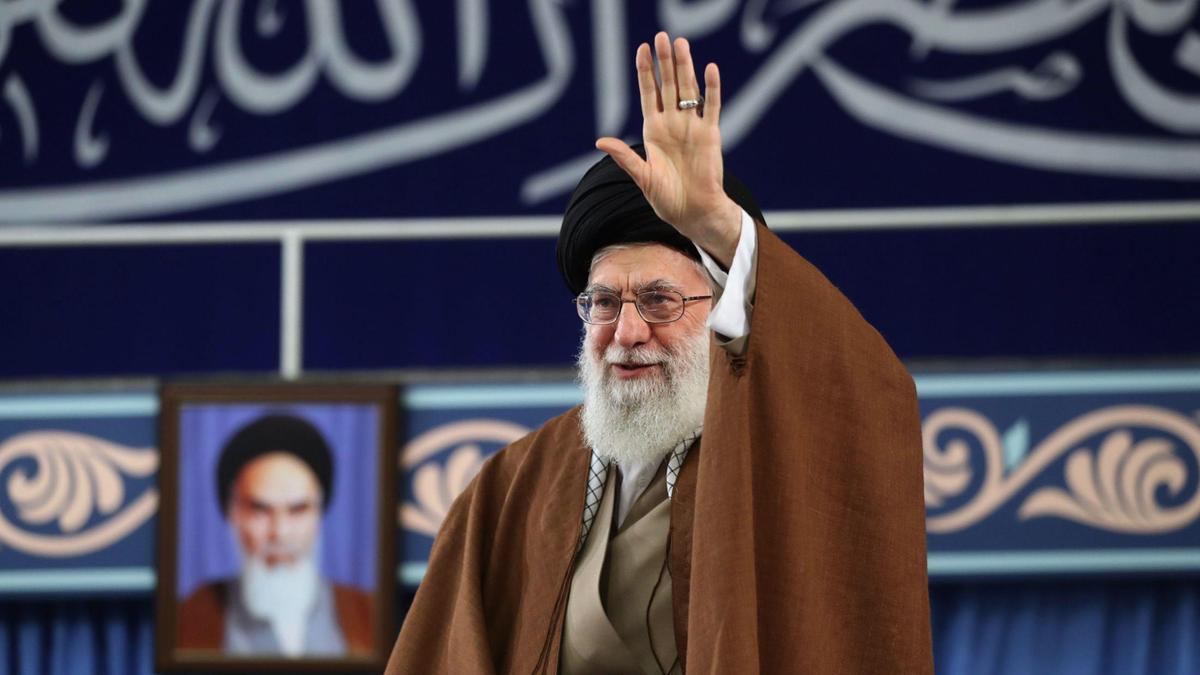
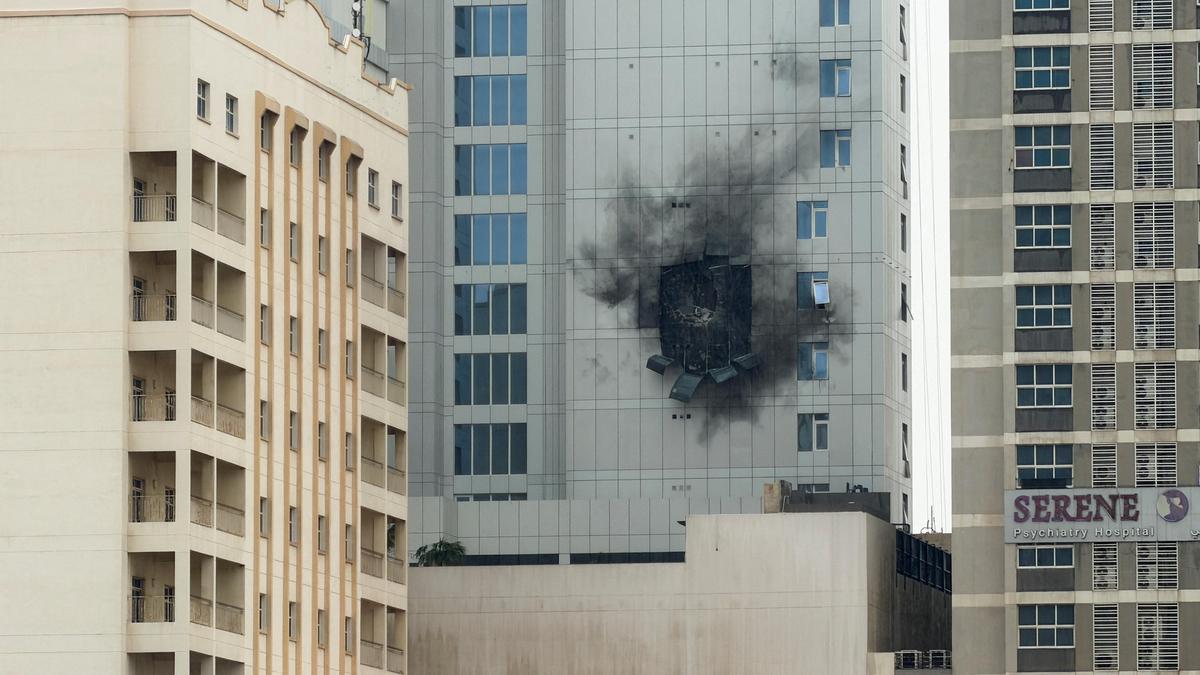
This isn't happening in a vacuum. The context is a series of massive, unprecedented strikes by the U.S. and Israel—dubbed "Operation Epic Fury" and "Operation Roaring Lion"—that have reportedly killed Supreme Leader Ali Khamenei and devastated military infrastructure. For a regime that relies on a monopoly of force and an aura of invincibility, the current situation is a total nightmare.
The judiciary's crackdown is a desperate attempt to plug the leaks in their domestic narrative. When foreign missiles are hitting your capital and your top leader is gone, the last thing you want is a celebratory public.
- Legal shifting: Mohseni-Ejei is essentially bypassing standard criminal law. By invoking "wartime rules," the judiciary can fast-track executions and skip the already-thin due process usually afforded to political prisoners.
- The definition of "Enemy": The regime is now defining "enemy" as anyone whose actions or words align with the will of the U.S. or Israel. That's a dangerously broad net. It could include mourning a specific military loss or even questioning the effectiveness of Iran's retaliatory strikes.
Why Social Media is the Main Battlefield
If you’re wondering why the judiciary is so obsessed with what people say, look at the January protests. Just months ago, nationwide unrest nearly tipped the scales. The regime only survived through a brutal, bloody crackdown that left thousands dead.
Now, with the military under fire, the IRGC Intelligence Organization is sending mass text messages to citizens. These aren't friendly reminders; they're digital threats. They warn against expressing "emotions" over the deaths of commanders or the Supreme Leader.
The government knows that if the public senses weakness, the streets will fill up again. By criminalizing "saying anything," they're trying to freeze the population in a state of terror. They want to ensure that even if you’re happy the regime is being hit, you’re too scared to tell your neighbor, let alone post it on X or Telegram.
The Death Penalty as a Tool of War
Cooperating with an enemy in Iran already carried the weight of a potential execution. But Mohseni-Ejei’s latest comments suggest the bar for "cooperation" has been lowered to the floor.
During his interview with Mizan News Agency, he specifically mentioned that cases of "rioters" and those causing "unrest" are the top priority. He’s linking the current military conflict with the internal dissent that has been boiling since the start of the year.
"Those who take steps in any way—whether verbally or through action—in line with the desires of America and Israel are on the enemy’s side." — Gholamhossein Mohseni-Ejei, March 4, 2026.
This is a classic "with us or against us" maneuver. If you aren't actively supporting the regime's "defense," you're a target for the gallows.
The Moderate Voice is Missing
You might expect President Masoud Pezeshkian, often labeled a "moderate," to push back. Don't hold your breath. In the current interim leadership council, Pezeshkian is sitting alongside hardliners like Mohseni-Ejei and Ayatollah Alireza Araf.
In a time of war, the hardliners always win the internal argument. Pezeshkian has essentially been sidelined or forced to mirror the rhetoric of the security apparatus to maintain his own standing. There is no "moderate" wing left in Tehran; there is only the survival wing.
What This Means for the Iranian Public
For the average person in Tehran or Shiraz, the danger is two-fold. You have to worry about U.S. and Israeli missiles hitting nearby, and you have to worry about your own government's secret police knocking on your door because of a stray comment at a bakery.
The Red Crescent is reporting hundreds of casualties from the strikes across 20 provinces. Hospitals are overwhelmed. Yet, instead of focusing solely on civil defense or humanitarian aid, the state is dedicating massive resources to monitoring digital traffic and threatening its own citizens.
Immediate Risks for Dissenters
- Digital Surveillance: The IRGC is using AI-driven monitoring to flag keywords related to the strikes or the Supreme Leader's death.
- Revolutionary Courts: Most of these "wartime" cases won't see a public trial. They'll happen in closed-door Revolutionary Courts where the conviction rate is nearly 100%.
- Collective Punishment: We're seeing reports of families being threatened if their relatives abroad post anti-regime content.
The regime's strategy is clear: if they can't stop the American planes, they'll stop the Iranian people.
If you have family in the region, tell them to stay off public social media channels. Don't use unencrypted apps. The judiciary has made it clear that they're looking for examples to make, and "wartime rules" mean they don't need much evidence to act. Stay low, stay safe, and keep your opinions offline for now.