Don't believe the panic about a cooling relationship between Washington and New Delhi. While casual observers look at tariff battles, visa crackdowns, and a sudden American warmth toward Islamabad and assume the worst, they're missing the bigger picture.
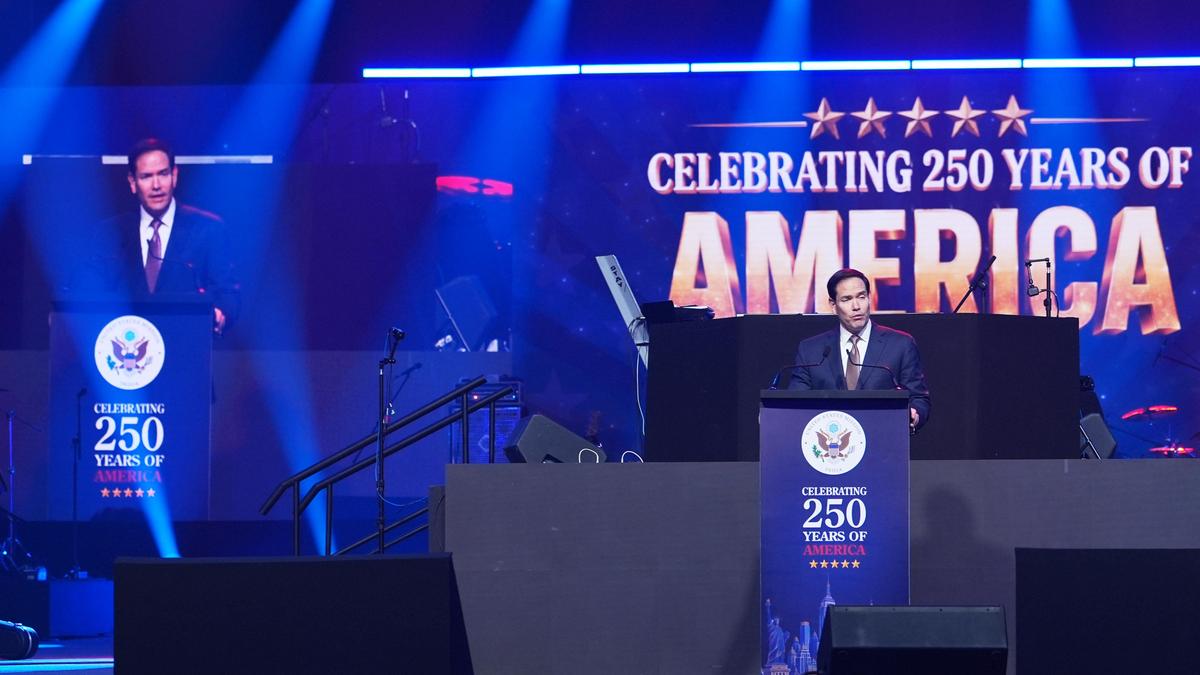
US Secretary of State Marco Rubio just laid it all out on the Hyderabad House lawns in New Delhi. He explicitly stated that Washington's transactional, short-term engagements with other countries won't shake its core commitment to India.
The media loves a friction narrative. It's easy to write about Donald Trump's global tariff wars or the visa hurdles facing Indian techies and conclude that the relationship has stalled. But that's a superficial reading of modern geopolitics. The reality is that both nations are practicing a clear-eyed, self-interested foreign policy that actually makes their partnership more stable, not less.
The Difference Between Tactical Flirtations and Strategic Alliances
The core of the anxiety in New Delhi stems from the Trump administration's recent outreach to Pakistan. Trump has hosted Pakistan Army chief Asim Munir at the White House, and Islamabad has taken on a prominent role as a mediator in the ongoing Gulf crisis. To traditionalists, this looks like a return to the old Cold War balancing act.
Rubio flatly rejected that idea. He pointed out that responsible nations work at a tactical level with all kinds of governments to solve immediate problems.
Think about how international diplomacy functions right now. India maintains deep economic and military ties with Russia, imports massive amounts of energy, and manages delicate relations with Iran. Yet, Washington doesn't tear up its defense agreements with New Delhi over it. Rubio is simply asking for the same flexibility. When Washington deals with Pakistan to stabilize a volatile neighborhood or keep shipping lanes open, it's doing tactical business. It isn't shifting its long-term loyalties.
The United States recognizes that India is one of only a handful of nations with the economic size and diplomatic clout to move the needle on global events. A tactical arrangement to pause a conflict in the Middle East cannot replace a foundational partnership designed to balance Asia.
Why Trump Trade Friction Isn't Personal
Every single country Rubio visits brings up trade. That's because the current administration didn't target India specifically; it decided to reshape the entire global trading system.
When Trump implements tariffs or demands market access, he isn't trying to punish New Delhi. He's looking at a massive domestic trade imbalance and using blunt economic tools to fix it.
- Indian companies have poured more than $20 billion into the American economy.
- Bilateral trade talks have advanced to the point where an interim trade agreement is imminent.
- Energy trade between the two nations has surged significantly over the last year.
Negotiating with a tough transactional partner requires looking at what they do, not just what they tweet. A team of Indian officials recently thrashed out details in Washington, and an American delegation is heading to India next month to finalize an interim deal. This agreement will protect core national interests on both sides while paving the way for a deeper comprehensive trade deal. Frictions are just part of the negotiating process.
Confronting the Visa Problem and Xenophobic Rhetoric
The real friction right now isn't trade or Pakistan. It's human mobility. External Affairs Minister S. Jaishankar didn't hold back during his meetings with Rubio, explicitly warning that restricting legal immigration hurts the tech collaboration that keeps both economies ahead.
The Trump administration's immigration crackdown has triggered massive anxiety. Tech workers face higher fees and tougher scrutiny for H-1B visas. Even worse, new rules force green card applicants to leave the US for processing, threatening to tear families apart for months. Combine that with nasty, xenophobic online remarks made by far-right commentators in the US, and it's easy to see why the Indian public feels insulted.
Rubio handled this with refreshing honesty. When asked about the racist comments, he bluntly remarked that every country in the world has stupid people. He noted that as the son of immigrants, he knows how much the US is enriched by legal newcomers.
The visa restrictions aren't an anti-India policy. They're a clumsy, sweeping reaction to a massive migration crisis on the southern US border. The entire system is undergoing a painful transition, and that creates serious hurdles for legitimate travelers. It's a major mistake for American policymakers to let border anxieties choke off the high-skilled talent that fuels Silicon Valley, and India is right to keep the pressure on.
Real Alignment Where It Actually Counts
While diplomats argue over visa wait times and tariffs, look at what's happening on the ground. The real substance of the alliance is moving faster than ever.
Take the Pax Silica initiative, a massive joint effort centered on critical minerals and supply chain security. Both nations know they can't rely on a single dominant player in Asia for the components that power modern technology. They're actively building alternative supply chains in semiconductors, artificial intelligence, and defense hardware.
On the security front, cooperation is deeper than most people realize. Jaishankar publicly thanked the US for the recent extradition of a key coordinator behind the 26/11 Mumbai terror attacks. That's tangible intelligence and law enforcement cooperation that directly affects national security.
Furthermore, the maritime crisis caused by the war in Iran has forced both countries into tight alignment. With Iran disrupting the Strait of Hormuz, the US military has systematically targeted Tehran's naval assets and long-range missile capabilities. India, which relies heavily on the region for its energy security, has taken a firm stand on ensuring safe, unimpeded maritime commerce. The two nations are completely aligned on keeping international waters open, even if they use different diplomatic vocabulary to describe it.
To keep this relationship moving forward, businesses and policymakers need to stop panicking over transactional rhetoric. Focus on the upcoming trade delegation next month. Watch the implementation of the critical minerals partnership. The alliance isn't dying; it's just growing up and learning to handle hard, transactional conversations.