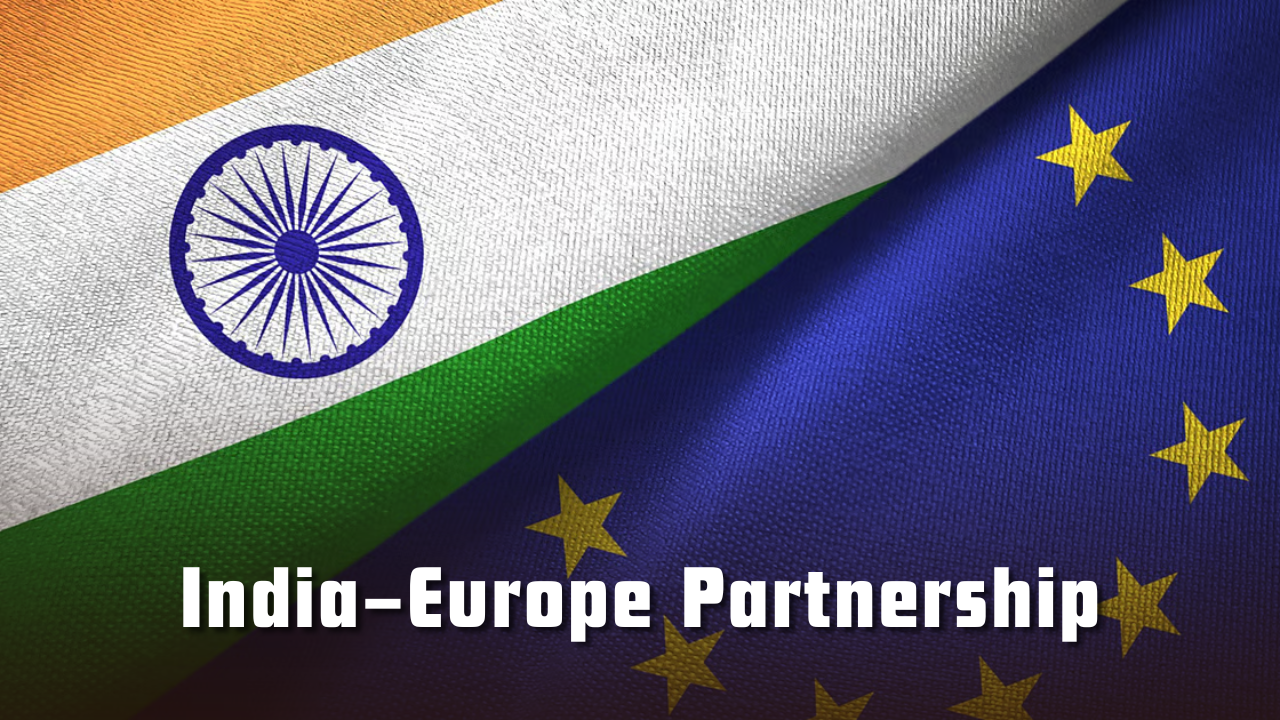
India’s foreign policy is shifting away from traditional power blocs and toward strategic, mid-sized European players. The recent meeting between External Affairs Minister S. Jaishankar and Austrian Chancellor Christian Stocker isn't just another photo op in New Delhi. It’s a signal. When Stocker landed for his first official visit to India, he wasn't just bringing a delegation; he was bringing a specific European perspective on tech, migration, and security that India desperately needs to balance its continental interests.
You see, Austria occupies a unique space in the European Union. It’s militarily neutral but economically aggressive. For India, a country trying to navigate the messy fallout of global conflicts while maintaining high-speed growth, Austria is a perfect puzzle piece. The discussions between Jaishankar and Stocker moved past the usual diplomatic fluff. They focused on actual movement—of people, of capital, and of technology. In other developments, we also covered: The Kathmandu Disruptor and the New Delhi Invitation.
Breaking Down the Jaishankar Stocker Talks
The heart of this meeting centered on the Migration and Mobility Partnership Agreement. Most people overlook this. They shouldn't. While the UK and other nations are tightening borders in ways that often hurt Indian professionals, Austria is looking for talent. We’re talking about a formal legal framework that makes it easier for Indian students and skilled workers to move to Austria while also cracking down on illegal migration. It’s a win-win that actually works.
Jaishankar has a reputation for being blunt and precise. He doesn’t waste time on states that don't offer tangible strategic value. By hosting Stocker, India is acknowledging that Vienna is a hub for international diplomacy—literally, as the home to the IAEA and UNODC—and a gateway to Central Europe. The two leaders spent a significant amount of time discussing the Ukraine conflict and the situation in West Asia. Austria’s neutrality gives it a different voice in the EU, one that often aligns with India’s preference for dialogue over blunt-force sanctions. USA Today has provided coverage on this critical topic in great detail.
Infrastructure and Green Tech are the Real Prizes
Forget the handshakes for a second. Look at the numbers. India is currently the world’s fastest-growing major economy. Austria has specialized expertise in high-end manufacturing, tunneling technology, and green energy. If you've ever looked at the massive infrastructure projects happening across the Himalayas or the Delhi Metro, you’ll find European engineering everywhere.
Chancellor Stocker’s visit included a heavy focus on the "Start-up Bridge." This isn't just a fancy name for a newsletter. It’s a mechanism to link Indian tech talent with Austrian capital. Austria needs to digitize its economy faster. India has the scale. During the meetings, both sides pushed for deeper involvement in green hydrogen and sustainable urban transport. India wants to hit its net-zero targets without killing its industrial growth. Austria has the tech to make that happen.
The Strategic Value of Neutrality
Why does India care so much about a country with nine million people? It’s about the "bridge builder" role. Austria isn't a NATO member. This allows for a level of candid conversation regarding Russia and global security that you simply can't have with Berlin or Paris right now. Jaishankar knows this. He’s spent the last few years diversifying India’s portfolio of friends so that New Delhi is never dependent on one single power center.
What Most People Get Wrong About Indo Austrian Ties
A common mistake is viewing this as a minor bilateral sideshow. It’s not. It is part of India’s broader "Strategy for the Heart of Europe." For decades, India focused on the "Big Three"—UK, France, and Germany. That’s changing. Smaller, wealthy, tech-heavy nations like Austria, the Netherlands, and the Nordic countries are now top priorities.
These countries don't lecture India on internal politics as much as the larger powers do. They focus on business. Stocker’s maiden visit proves that Austria recognizes the gravity of India’s market. It’s no longer about India seeking investment; it’s about European nations competing for a seat at the Indian table. The power dynamic has flipped.
The Role of International Organizations
Vienna is the seat of the International Atomic Energy Agency (IAEA). For India, which is expanding its nuclear energy footprint to meet surging power demands, maintaining a tight relationship with the host country of the IAEA is smart politics. Jaishankar and Stocker didn't just talk about bilateral trade; they talked about the global order. They discussed how to reform institutions that feel stuck in 1945.
Logistics and the New Trade Corridors
We have to talk about the India-Middle East-Europe Economic Corridor (IMEC). Even with the volatility in the Middle East, the long-term goal remains connecting Indian ports to Europe. Austria, situated in the center of the continent, is a logistical goldmine. If goods land in Greece or Italy, they often pass through Austrian rail and road networks to reach the rest of Europe.
Stocker’s visit involved deep dives into how Austrian logistics firms can integrate with India’s Gati Shakti program. This is about making it cheaper and faster to move a container from Mumbai to Vienna. If they shave off even three days of transit time, it changes the math for thousands of businesses.
Security and Counter Terrorism
Both leaders were vocal about the need for a zero-tolerance approach to terrorism. This isn't just boilerplate language. Austria has dealt with its own security scares in recent years, and India has been shouting about this on the world stage for decades. They’re sharing intelligence more frequently now. They’re looking at cyber security and how to protect critical infrastructure from state-sponsored hacks.
Actionable Takeaways for Businesses and Investors
If you’re a business owner or an investor, ignore the diplomatic jargon and look at where the ink is drying. The cooperation in renewable energy and smart cities is where the money is.
- Watch the Start-up Bridge: If you’re in tech, the legal pathways for Indian startups to enter the EU via Vienna are getting smoother.
- Infrastructure Tenders: Austrian firms are bidding more aggressively on Indian rail and road projects. Joint ventures here are becoming the gold standard.
- Education and Research: Expect more MoUs between Indian IITs and Austrian technical universities. The focus is on applied sciences and engineering.
India isn't just playing the Great Game; it's rewriting the rules. By strengthening ties with Austria, Jaishankar is ensuring that India has a sophisticated, neutral, and tech-capable partner in the heart of Europe. This relationship is a slow burn that is finally catching fire. Keep your eyes on the specific trade agreements following this visit—they’ll tell you exactly where the next billion dollars will flow. Don't wait for the mainstream media to catch up to the strategic importance of this shift. The groundwork is already laid.