Governments worldwide are shutting their borders to travelers from East and Central Africa as an outbreak of the Bundibugyo Ebola virus gains momentum. The United States has enacted strict Title 42 entry restrictions, funneling all travelers who visited the Democratic Republic of the Congo, Uganda, or South Sudan into three designated airports for enhanced screening, while blocking entry for certain legal residents. Canada has gone further, implementing a mandatory 21-day quarantine and freezing visitor visas from the region. While these aggressive maneuvers offer a panicked public the comforting illusion of a sealed perimeter, history and epidemiological science show they rarely stop a virus. Instead, they drive infections underground and choke off the very medical pipelines needed to kill the outbreak at its source.
Behind the sweeping executive orders lies a stark political reality. Border restrictions are rarely about absolute containment. They are about buying time and projecting authority.
The Mechanics of Public Health Enclosure
The regulatory gears turning in Washington and Ottawa reveal a desperate scramble to erect an impromptu safety net. Under the public health authority of the Public Health Service Act, the US Centers for Disease Control and Prevention shifted international arrivals from the affected nations to Washington Dulles, Atlanta Hartsfield-Jackson, and Houston George Bush Intercontinental.
At these hubs, federal officers wield infrared thermometers and questionnaires. They check for fever, weakness, vomiting, and internal bleeding. If a traveler shows a temperature spike, they are isolated. If they are asymptomatic, they are passed along to local health departments for a 21-day game of telephone, where local workers are expected to log daily check-ins.
Canada pulled an even older lever from its bureaucratic arsenal. By reviving quarantine protocols left dormant since the height of the pandemic, Ottawa now demands that anyone arriving from the three African nations isolate for three weeks, regardless of residency status or lack of symptoms.
On paper, the strategy seems airtight. In practice, it relies on a flawed premise: that a highly lethal, fast-moving pathogen respects the legal designations of international transit.
The Ghost Variant with No Vaccine
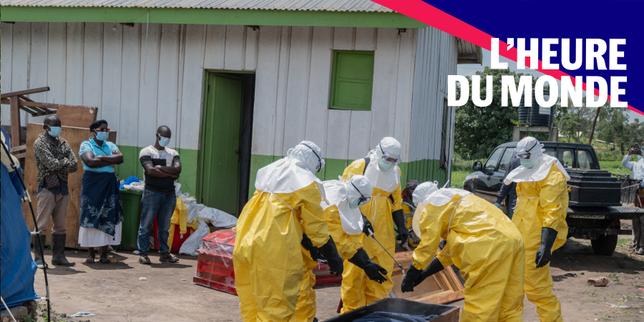
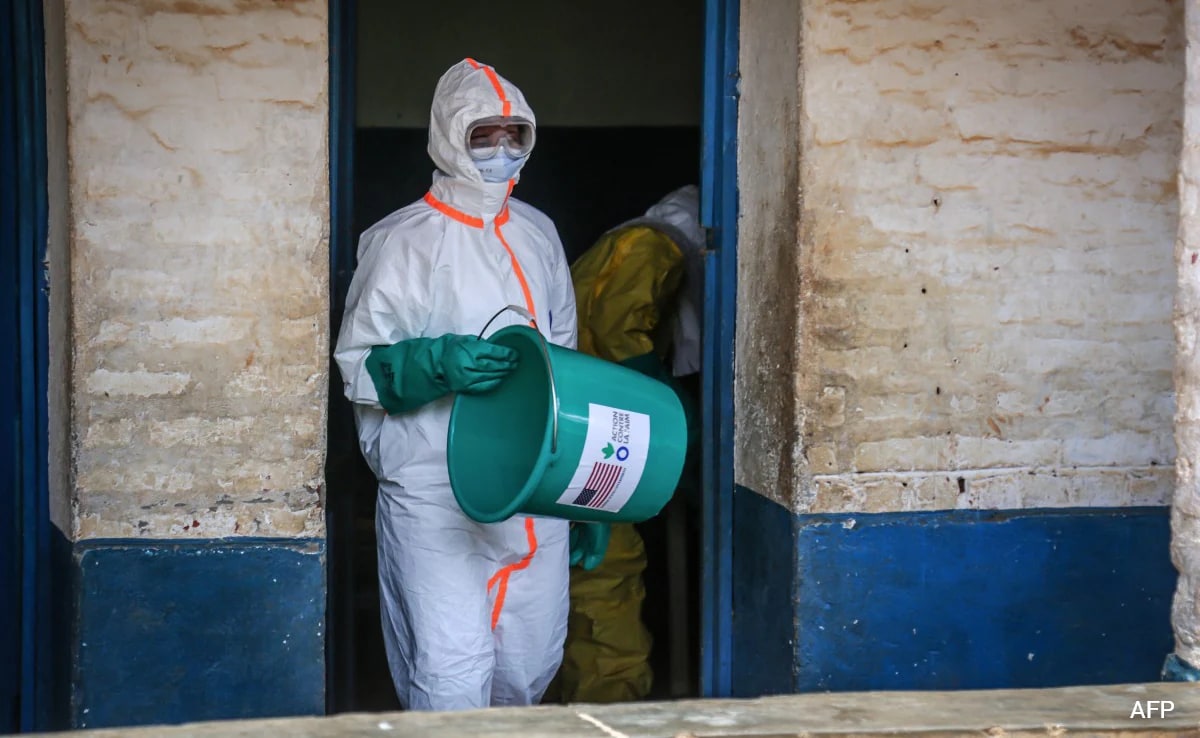
The fundamental crisis of this current outbreak is not just the speed of transmission, but the specific toolset available to fight it. Unlike the more common Zaire strain of Ebola, which can be blunted by established vaccines, the Bundibugyo virus lacks a widely approved vaccine or specific antiviral therapy. Public health teams cannot simply ring-vaccinate a village to stop a cluster from expanding. They must rely on classic, grinding containment: rapid isolation, impeccable personal protective equipment, and meticulous contact tracing.
By closing borders and cutting off flights, Western nations make that grinding work significantly harder.
When a country faces a travel ban, its economy takes an immediate hit. Tourism evaporates, trade slows, and international capital retreats. This economic penalty creates a powerful disincentive for nations to report new cases transparently. During the West African Ebola crisis a decade ago, early border closures led to delayed reporting in several sub-regions, as local officials feared the inevitable financial strangulation more than they feared the slow burn of a localized outbreak.
Worse still is the logistical paralysis. Public health infrastructure in the Democratic Republic of the Congo and South Sudan depends heavily on commercial aviation network corridors to move laboratory reagents, protective gear, and specialized epidemiologists into remote field sites. When major international airlines cancel routes to avoid regulatory headaches or falling passenger volumes, the supply chain breaks.
A hypothetical example illustrates the systemic vulnerability. Consider a remote clinic in South Sudan running low on basic viral transport media. Under normal conditions, a replacement batch arrives via a commercial flight connection through a regional hub within 48 hours. Under a strict border lockdown, that shipment gets stuck in a European cargo warehouse for two weeks while lawyers argue over flight clearances. By the time the tubes arrive, the local chain of transmission has broken wide open, completely unmonitored.
The Psychological Deflection of Screening
The reliance on airport screening reveals a misunderstanding of how infected individuals actually travel. Ebola is not contagious during its incubation period, which can last anywhere from two to 21 days. An individual can contract the virus in an affected rural area, travel to a capital city, board a flight to Europe, transfer to a transatlantic flight, and pass through a US customs checkpoint with a perfectly normal body temperature.
No amount of thermal imaging or paperwork can detect a virus that has not yet begun to replicate to the point of causing clinical symptoms.
Enhanced screening acts as a political sedative for domestic voters who want to see their government taking definitive action. It creates a highly visible show of defense at the border while doing very little to address the systemic vulnerabilities within domestic healthcare systems. If an asymptomatic traveler slips through an airport checkpoint and develops a fever five days later in a mid-sized domestic city, the true line of defense is not the federal border patrol. It is the triage nurse at the local community hospital emergency room.
If that nurse fails to ask about travel history, or if the hospital lacks the isolation facilities to manage a suspected hemorrhagic fever case, the border restrictions mean nothing.
Chasing the Perimeter
The hard truth of modern epidemiology is that global health security cannot be achieved through isolationism. Viruses do not recognize national sovereignty, and sophisticated financial capitals remain intrinsically linked to rural farming communities thousands of miles away.
Eradicating an outbreak requires a massive, unhindered deployment of resources directly to the epicenter of transmission. It demands that clinical trials for experimental Bundibugyo treatments occur where the patients are, that field laboratories receive a constant stream of supplies, and that local health workers are paid and supported.
Imposing blanket travel restrictions and visa suspensions accomplishes the exact opposite. It isolates the frontline defenders, starves the local economy, and encourages travelers to falsify their transit histories to bypass checkpoints. When people are desperate to travel for family, business, or survival, they do not stop moving; they simply choose less visible, unmonitored routes.
A border policy defined by fear rather than epidemiological utility ensures that outbreaks last longer, spread further, and cost more lives before they are finally brought under control. Real security is built through aggressive containment at the source, not by erecting fragile walls at the point of arrival.