The air inside an airport is never truly still. It is a pressurized soup of hums—the rhythmic thrum of the HVAC, the distant whine of a jet turbine, the frantic clicking of soles against polished linoleum, and the persistent, melodic chime of announcements that no one really hears until they have to.
Then, the sound stopped.
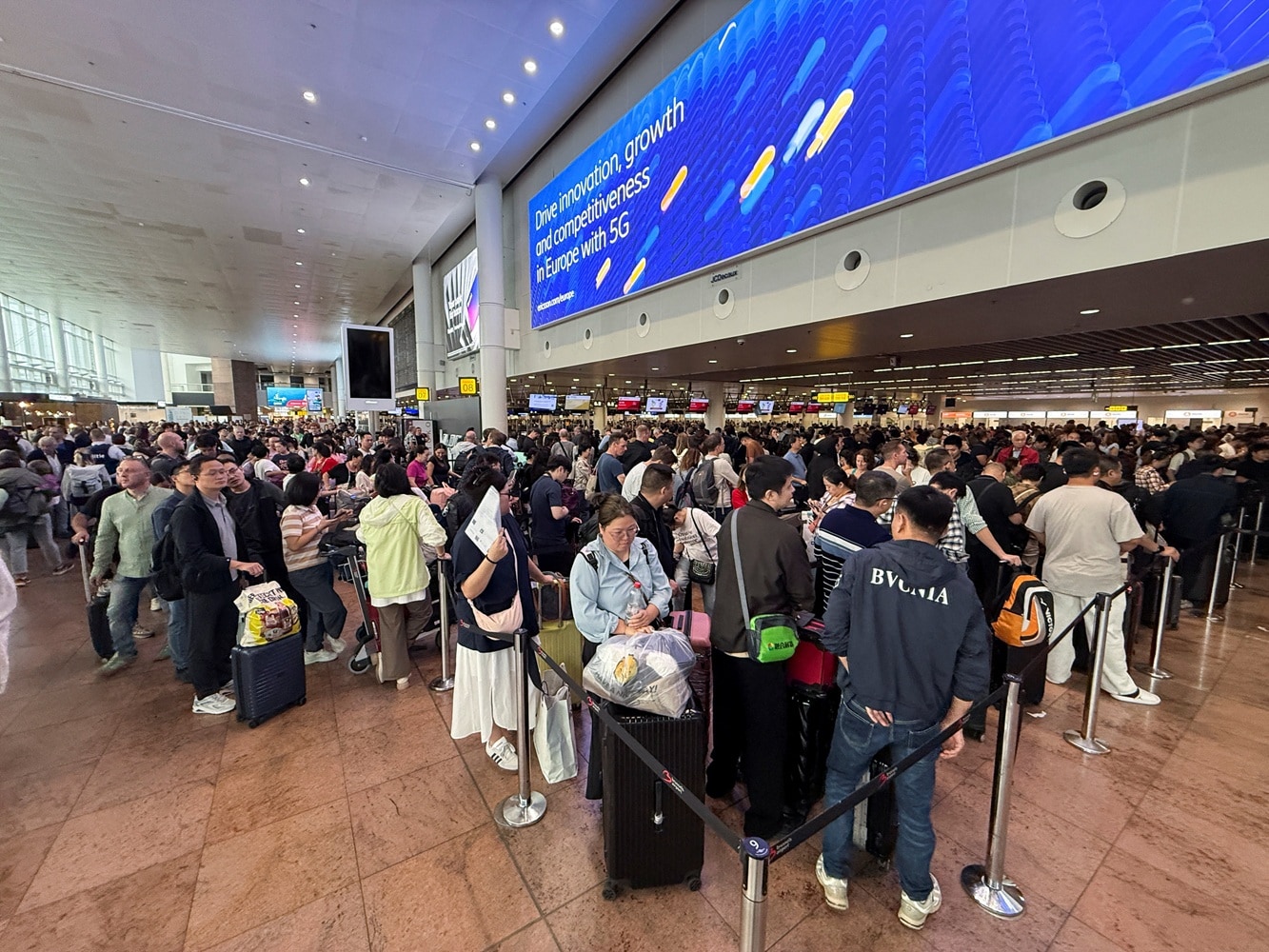
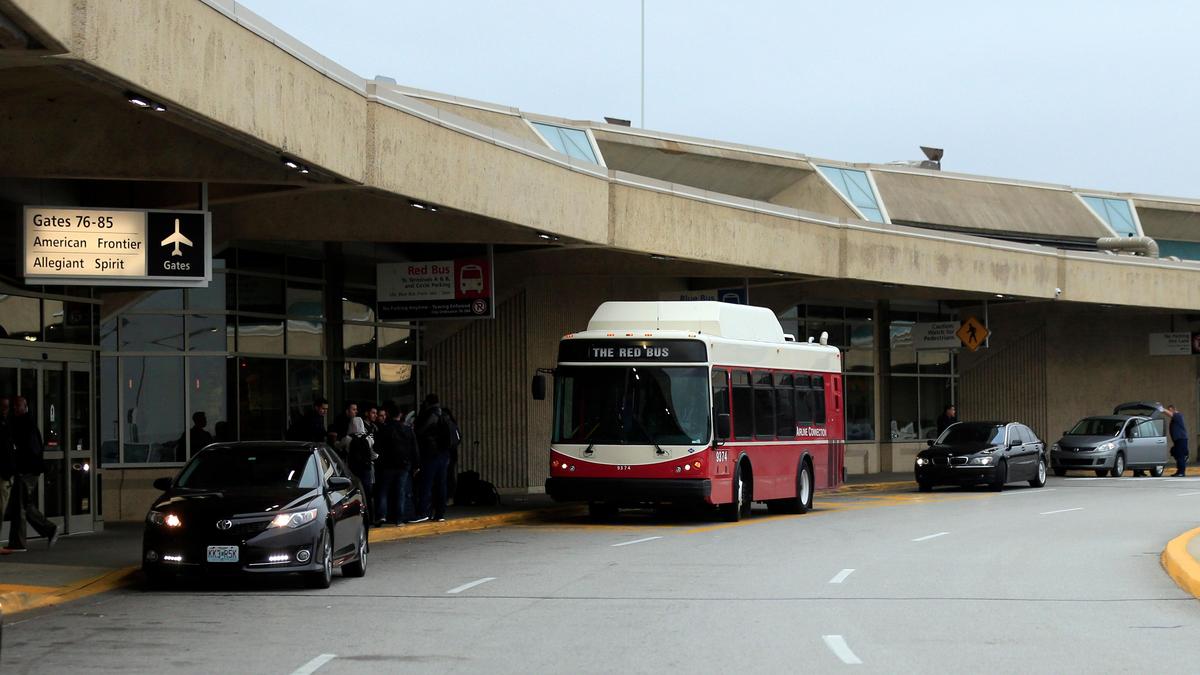
On a Tuesday that should have been defined by mid-morning coffees and the mundane stress of TSA lines, the Kansas City International Airport (KCI) fell into a vacuum. Security personnel didn't just walk; they moved with a calculated, terrifying urgency. The orders were brief. The movement was directional. Within minutes, the vibrant, chaotic ecosystem of Terminal B was gutted. Thousands of people—travelers with weddings to reach, consultants with slides to present, and families heading home—were pushed out into the bright, unforgiving Kansas sun.
The Weight of a Shadow
Security isn't an intellectual exercise when you are standing on a curb, clutching a carry-on that contains your entire life for the next three days, watching the doors of a multi-million dollar infrastructure project lock from the inside. It is visceral.
The "potential threat" reported at KCI wasn't a visible fire or a shattered window. It was a shadow. In the modern age of travel, we live in a state of managed anxiety, a silent agreement we sign the moment we buy a ticket. We agree to be scanned, patted down, and monitored in exchange for the promise of the horizon. When that agreement is suspended because of an "unspecified threat," the imagination fills the gaps with every headline we’ve ever read.
Consider a traveler like "Marcus," a hypothetical but very real representation of the crowd that day. Marcus isn't worried about the geopolitical implications of airport security. He is looking at his watch. He has a daughter in Denver who is turning six at 4:00 PM. Every minute the terminal stays empty, the birthday cake in his mind loses a candle. For him, the "investigation" isn't a news headline; it is the physical sensation of a missed milestone.
The reality of these evacuations is a logistical nightmare disguised as a quiet afternoon. When law enforcement "sweeps" a building of this scale, they aren't just glancing under chairs. They are dissecting a labyrinth. KCI’s new single-terminal design was built for efficiency, but when a threat is called in, that same open architecture becomes a vast, daunting canvas for bomb squads and K9 units.
The Geometry of Fear
The Kansas City Police Department and airport officials are trained to be the most boring people in the room. They use words like "precautionary," "incident," and "resolved." They have to. If they spoke with the frantic energy of the people standing in the parking lot, the city would vibrate apart.
But behind the clinical language lies the geometry of a crisis.
Think about the math of an evacuation. You have to move five thousand people through a limited number of exits without creating a secondary disaster—a crush. You have to account for the "sterile" areas. Once a person leaves the secure side of the terminal, the legal seal is broken. To let them back in, you can’t just open the doors. You have to reset the entire clock.
That is why, even after the "all clear" is given, the pain persists. The "hours" mentioned in the news snippets represent a total systemic collapse and restart. Every single human being who was pushed out onto the sidewalk must now be re-vetted, re-scanned, and re-processed.
The threat—which turned out to be unfounded—functioned as a ghost in the machine. It didn't need to be real to do real damage. It cost the city thousands of man-hours. It cost airlines hundreds of thousands in fuel and rescheduling. It cost Marcus the first slice of a birthday cake.
The Anatomy of the Sweep
Why did it take hours?
If you’ve ever lost your keys in your own living room, you know the frustration of looking "everywhere" only to find them twenty minutes later. Now, expand that living room to one million square feet. Add thousands of pieces of abandoned luggage—because when an evacuation happens, people drop things.
Each one of those bags is now a data point. Each one is a potential source of the "threat." The K9 units that move through the terminal during these lockdowns are the unsung protagonists of the story. These dogs aren't looking for drugs; they are biological sensors tuned to the scent of nitrogen-based compounds. They work in short, intense bursts of focus.
The "investigation" is a slow, methodical crawl. Officers move in teams. They check the trash cans. They check the service tunnels. They check the restrooms. They check the behind-the-scenes conveyors that whisk your suitcases into the belly of the planes.
While the public sees a "reopened" airport, the people on the inside see a battlefield of protocols. The threat was cleared not because someone found a "nothing" but because a hundred professionals verified the absence of "something." It is the hardest thing to prove in the world: that nothing is there.
The Invisible Cost of Peace
We have become a society that measures safety by the absence of noise. If the planes are taking off, everything is fine. But the evacuation in Kansas City serves as a jarring reminder of how thin the ice actually is.
We rely on a hyper-complex web of intelligence, technology, and human intuition. Sometimes, the system over-indexes on caution. Some might call it an overreaction. But the people holding the shields don't have the luxury of being "mostly" sure. In their world, a 99% success rate is a catastrophic failure.
The passengers eventually trickled back in. The hum returned. The HVAC kicked into high gear to scrub the humid Kansas air that had followed the crowds inside. The Starbucks lines reformed, longer and more frustrated than before. The chime of the announcements resumed, telling people not to leave their bags unattended—a cruel irony for those who had just been forced to do exactly that.
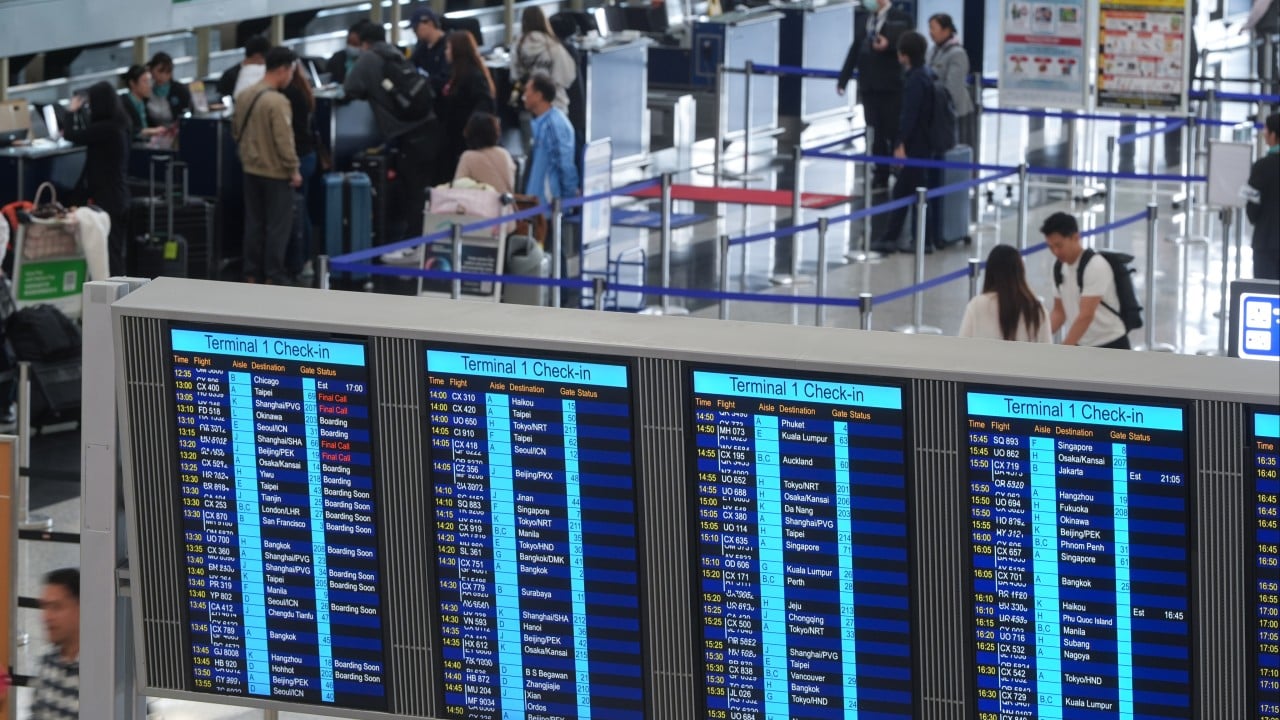
By evening, the digital flight boards at KCI stopped flashing red and returned to their steady, reassuring green. To the outside world, the story was over. It was a blip. A "potential threat" that amounted to nothing.
But as the planes finally taxied toward the runways, the people inside them weren't thinking about "safety protocols" or "logistics." They were looking at their phones, sending "I’m okay" texts to people who had been holding their breath for three hours.
The true story of an airport reopening isn't found in the official police report. It’s found in the collective exhale of a thousand people realizing that today, the shadow stayed a shadow.
The planes rose into the twilight, heavy with the weight of people just trying to get to where they were supposed to be, leaving the hollow silence of the morning behind like a bad dream. The system had held. The cost was only time, and in the high-stakes gamble of modern travel, we pay that price gladly, even if we grumble while doing it.
The terminal was full again. The hum was back. And for a little while, everyone listened to the announcements.