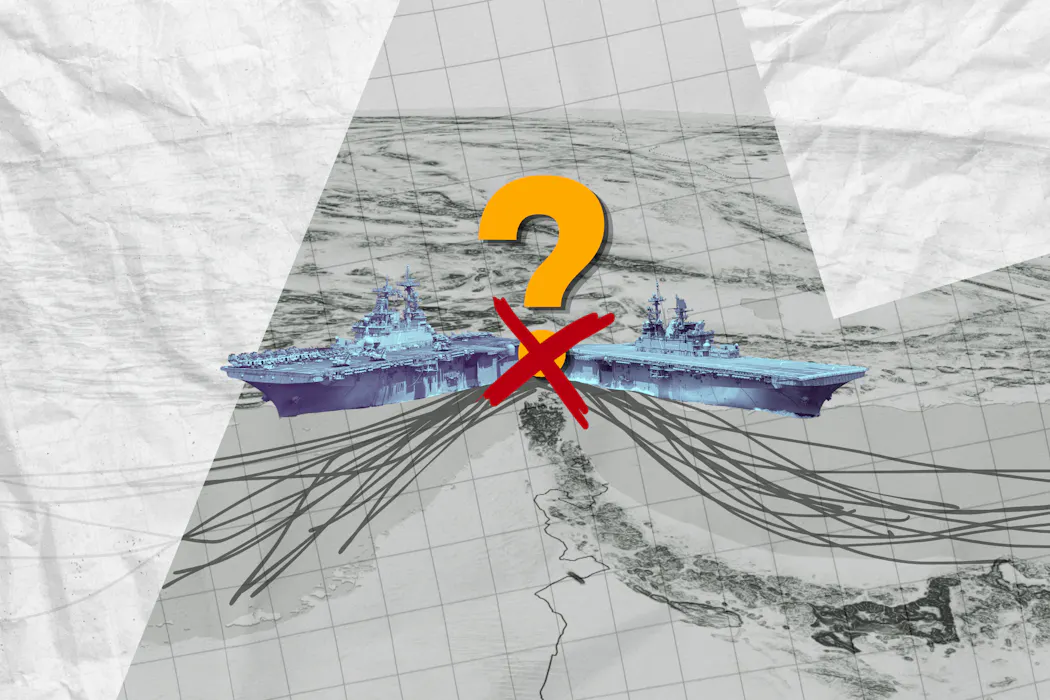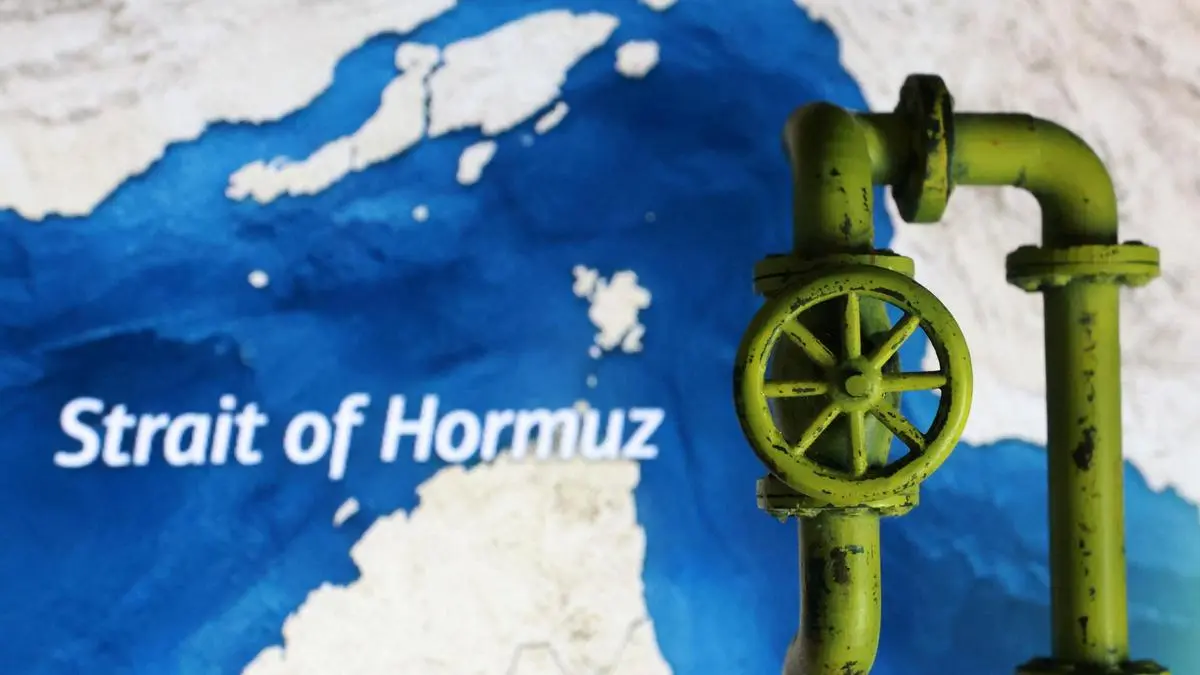
The United Arab Emirates is signaling a monumental shift in its maritime security strategy by weighing a formal entry into an international task force designed to keep the Strait of Hormuz open. This is not merely a diplomatic gesture or a routine patrol update. It is a calculated response to the escalating threat of maritime blockades that could paralyze the global energy market and dismantle the UAE’s own economic diversification dreams. For years, Abu Dhabi has balanced on a knife-edge, maintaining trade ties with Tehran while hosting Western military assets. That era of quiet hedging is hitting its limit as drone strikes and tanker seizures become the new standard of regional friction.
The Strait of Hormuz remains the world’s most important oil chokepoint. Approximately 20% of the world’s liquid petroleum passes through this narrow strip of water daily. If the flow stops, the global economy does not just slow down; it breaks. The UAE’s willingness to join a coalition—likely an expansion of existing structures like the International Maritime Security Construct (IMSC)—shows that the risk of inaction now outweighs the risk of provoking regional rivals.
The End of Hedging
For the last decade, the UAE has perfected the art of "zero problems with neighbors." This policy was designed to protect the country's status as a global hub for tourism, finance, and logistics. You cannot run a world-class airline or a global financial center if missiles are flying overhead or if the local waters are declared a war zone. But the reality on the water has changed.
The strategy of staying neutral has become a liability. When tankers are harassed or seized, insurance premiums for every vessel entering the Persian Gulf skyrocket. These "war risk" surcharges act as a hidden tax on every barrel of oil and every container of consumer goods. By signaling a move toward a formal task force, the UAE is attempting to "buy" stability. They are betting that a unified, multi-national naval presence will act as a sufficient deterrent to prevent the kind of low-level, gray-zone warfare that has plagued the shipping lanes since 2019.
This is a move away from bilateral dependence on the United States. While Washington remains the primary security guarantor in the region, Abu Dhabi is increasingly looking for "minilateral" arrangements. They want a seat at the table where the rules of engagement are written, rather than just being a host for foreign fleets.
The Mechanics of Maritime Deterrence
Maintaining an open waterway in a high-threat environment is a logistical nightmare. It involves more than just parking a destroyer in the middle of the channel. A functional task force must integrate satellite surveillance, underwater acoustic sensors, and rapid-response aerial assets.
The technical challenge is the "swarm" tactic. Small, fast-moving craft can easily harass a massive, slow-moving VLCC (Very Large Crude Carrier). A billion-dollar warship is often ill-equipped to handle dozens of small boats without escalating into a full-blown international incident. The UAE’s involvement brings local knowledge and localized assets—patrol boats and regional intelligence networks—that Western navies often lack.
The Cost of a Closed Strait
To understand why the UAE is moving now, we have to look at the math. A total blockage of the Strait of Hormuz is unlikely because it would be an act of war that would invite an overwhelming global response. However, a "partial" or "intermittent" blockage is highly effective.
- Insurance Spikes: A 100% increase in hull and machinery insurance can happen overnight following a single incident.
- Supply Chain Rerouting: There is no easy way around Hormuz. The East-West Pipeline across Saudi Arabia has a limited capacity, and the Abu Dhabi Crude Oil Pipeline to Fujairah can only handle about 1.5 million barrels per day. That is a fraction of the total flow.
- Price Volatility: Oil markets hate uncertainty. Even the threat of a closure adds a "fear premium" of $5 to $10 per barrel, which hurts global consumers and can trigger inflationary spirals.
The UAE’s economy is currently transitioning toward a post-oil future, but that transition is funded by current oil revenues. Any disruption to the cash flow halts the construction of the "cities of the future" that the Emirates are building. They are protecting their bank account as much as their borders.
Regional Friction and the Iran Factor
One cannot discuss the Strait of Hormuz without addressing Iran. Tehran views the presence of foreign task forces as a direct threat to its sovereignty and its primary point of leverage against international sanctions. Every time a new nation joins a maritime coalition, Tehran views it as an escalatory step.
The UAE knows this. Their diplomatic mission to join a task force is likely accompanied by back-channel assurances to Tehran that this is defensive, not offensive. But in the world of Persian Gulf geopolitics, perception is reality. If Iran perceives this as a tightening of the noose, they may feel compelled to test the task force’s resolve. This creates a "security dilemma" where steps taken to increase safety actually lead to increased tension.
There is also the question of China. China is the largest buyer of Gulf oil. Beijing has traditionally avoided taking sides in Middle Eastern security disputes, preferring to let the U.S. bear the cost of keeping the lanes open. However, the UAE has been deepening ties with China. If Abu Dhabi can bring Chinese interests—or even tacit Chinese approval—into the fold of maritime security, it would change the board entirely. It would move the issue from a "West vs. Iran" conflict to a "Global Economy vs. Disruption" issue.
Fujairah as the Strategic Pivot
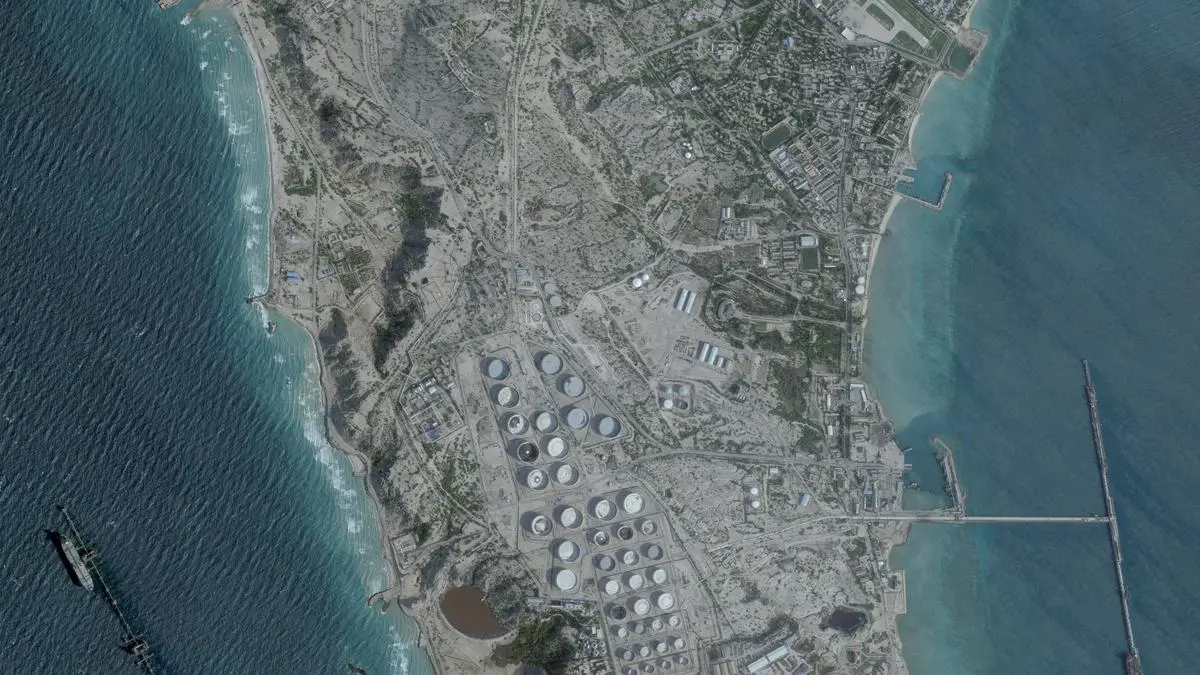
The port of Fujairah sits outside the Strait of Hormuz, on the UAE’s eastern coast. It has become the strategic "backup plan" for the entire region. Huge investments have been poured into making Fujairah a global bunkering and storage hub. By securing the Strait, the UAE ensures that the flow to Fujairah remains steady.
But Fujairah is also a target. In 2019, four tankers were sabotaged just off its coast. This proved that being "outside" the Strait doesn't mean being outside the reach of regional instability. A task force wouldn't just patrol the 21-mile-wide neck of the Strait; it would need to secure the entire Gulf of Oman approach. This requires a level of coordination that hasn't existed in the region for decades.
The Limits of Naval Power
We must be realistic about what a task force can actually achieve. A fleet of ships cannot stop a cyberattack on a port’s operating system. It cannot stop a long-range drone launched from deep inland. The nature of threats to maritime trade has shifted from traditional naval battles to asymmetrical, "gray-zone" tactics.
Joining a task force provides a "tripwire" effect. It ensures that if one country is attacked, multiple nations are involved in the response. This collective security model is the only way to counter an adversary that specializes in plausible deniability. The UAE is essentially asking for a collective insurance policy, and they are willing to pay the premium in the form of military resources and political capital.
The Industrial Reality
Ship owners and commodity traders are watching this move with a mixture of relief and skepticism. On one hand, more "gray hulls" in the water generally correlate with fewer boarding attempts. On the other hand, a more militarized Gulf is a more volatile Gulf.
The UAE's signal is a recognition that the "Pax Americana" in the Middle East is over, or at least evolving into something more fragmented. Abu Dhabi is no longer waiting for a superpower to solve the problem. They are moving to build a coalition of the willing—those who have the most to lose if the world’s most vital energy artery is severed.
This decision marks the end of the UAE's era of quiet diplomacy and the beginning of its role as a proactive maritime power. The risks are substantial. By stepping out from the shadows of neutrality, the Emirates are making themselves a clear participant in the struggle for regional dominance. But in a world where a single drone can shut down a percentage of global GDP, the UAE has decided that the most dangerous thing they can do is nothing at all.
Monitor the specific naval assets the UAE commits to this force. The transition from "willingness to join" to "active patrolling" will be the true test of this new doctrine, especially if the first encounter with an unidentified fast-attack craft requires a split-second decision to fire.