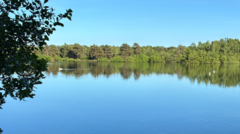
Emergency services are currently searching for a 15-year-old boy who went missing after entering the water at a nature reserve lake. Emergency crews rushed to the scene following reports that a teenager had gotten into difficulty while swimming. Police dive teams, search boats, and drones are scouring the area. This tragic incident highlights a recurring summer nightmare.
Every year, when the weather warms up, people head to natural bodies of water. Nature reserves look idyllic. The water seems calm. But underneath the surface lies a completely different environment than your local swimming pool.
Open water swimming carries risks that most casual swimmers completely ignore. It's not just about how well you can swim. The environment itself is often the real hazard.
Why Calm Lakes Are Deceptively Dangerous
A flat, glassy lake looks inviting. It looks safer than the sea because there are no breaking waves or obvious currents. That visual calmness is exactly what traps people.
The biggest killer in open water isn't a lack of swimming ability. It's cold water shock.
Even in the height of summer, the top layer of a lake might feel warm, but just a few feet down, the temperature drops drastically. When your body hits suddenly cold water, an involuntary gasping reflex triggers. If your head is underwater when that happens, you inhale water instantly. Your heart rate spikes. Your blood vessels constrict. You can panic in seconds, even if you're a strong pool swimmer.
The Hazards Beneath the Surface
Nature reserves aren't maintained like recreational facilities. They are wild spaces left to develop naturally. This means the underwater terrain is unpredictable and hazardous.
Underneath that calm surface, you'll often find:
- Sudden, steep drop-offs where the shallow edge disappears into deep, freezing pits.
- Thick, tangled weeds that can easily trap a swimmer's legs and cause panic.
- Submerged branches, old shopping trolleys, or industrial debris that can snag clothing or cause injury.
- Strong undercurrents caused by hidden underwater pipes, pumps, or natural springs feeding the lake.
When you swim in these conditions, you aren't just swimming. You're navigating an obstacle course in the dark. Silt gets stirred up instantly, reducing visibility to absolute zero. Once a swimmer goes under, finding them becomes incredibly difficult for rescue teams.
What Open Water Safety Actually Requires
If you or your kids are going to swim in open water, you have to abandon the mindset that it's just like a backyard pool. It isn't. You need to treat natural bodies of water with the same respect you'd give a dangerous hiking trail.
Stick to designated, lifeguarded swim zones. If a nature reserve has "No Swimming" signs posted, they aren't there to spoil your fun. They are there because the water has hidden hazards, toxic blue-green algae, or zero rescue access.
Never swim alone. Always have someone on the bank who isn't swimming and can call for help immediately.
Wear a brightly colored tow float. These budget-friendly inflatable bags tie around your waist. They don't restrict your swim stroke, but they keep you visible to boats and people on shore, and give you something to rest on if you get tired or get a cramp.
If you ever find yourself unexpected falling in or panicking, remember the core survival advice from safety organizations like the Royal National Lifeboat Institution: Float to Live. Fight your instinct to thrash and swim hard. Tilt your head back, keep your airways clear, gently move your hands and feet, and float until you regain control of your breathing. Only then should you try to swim to safety or call for help.