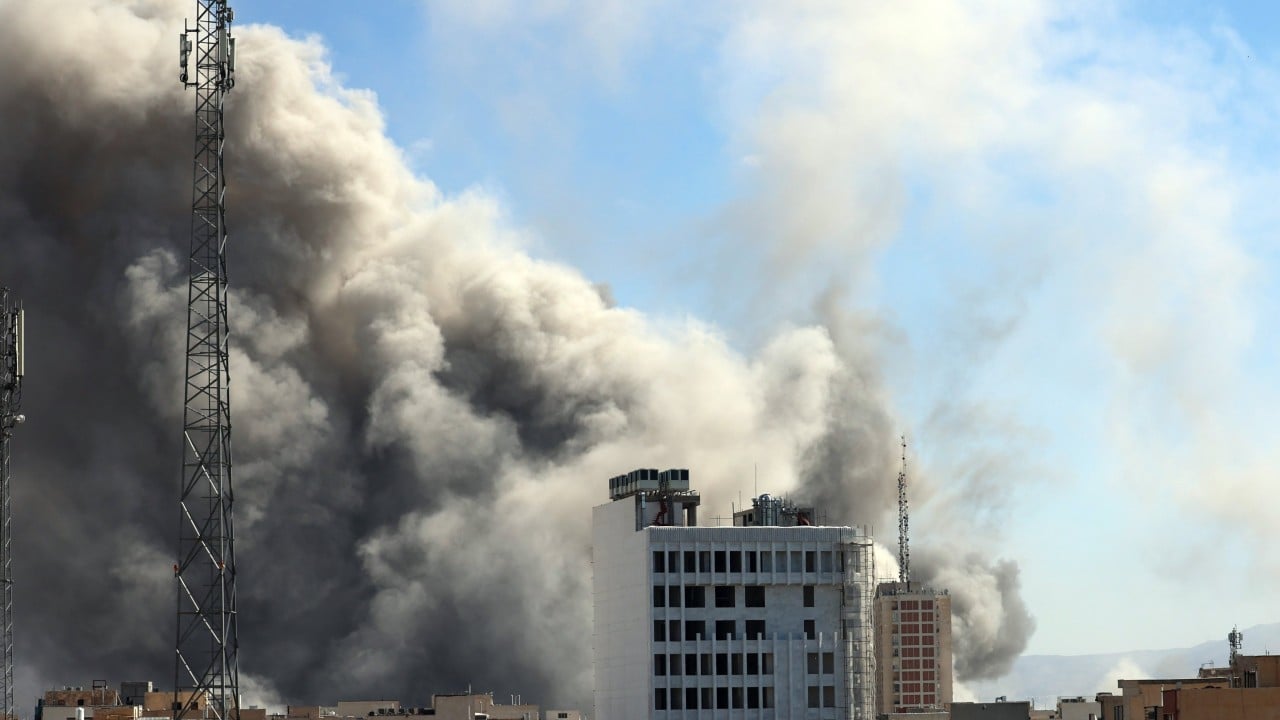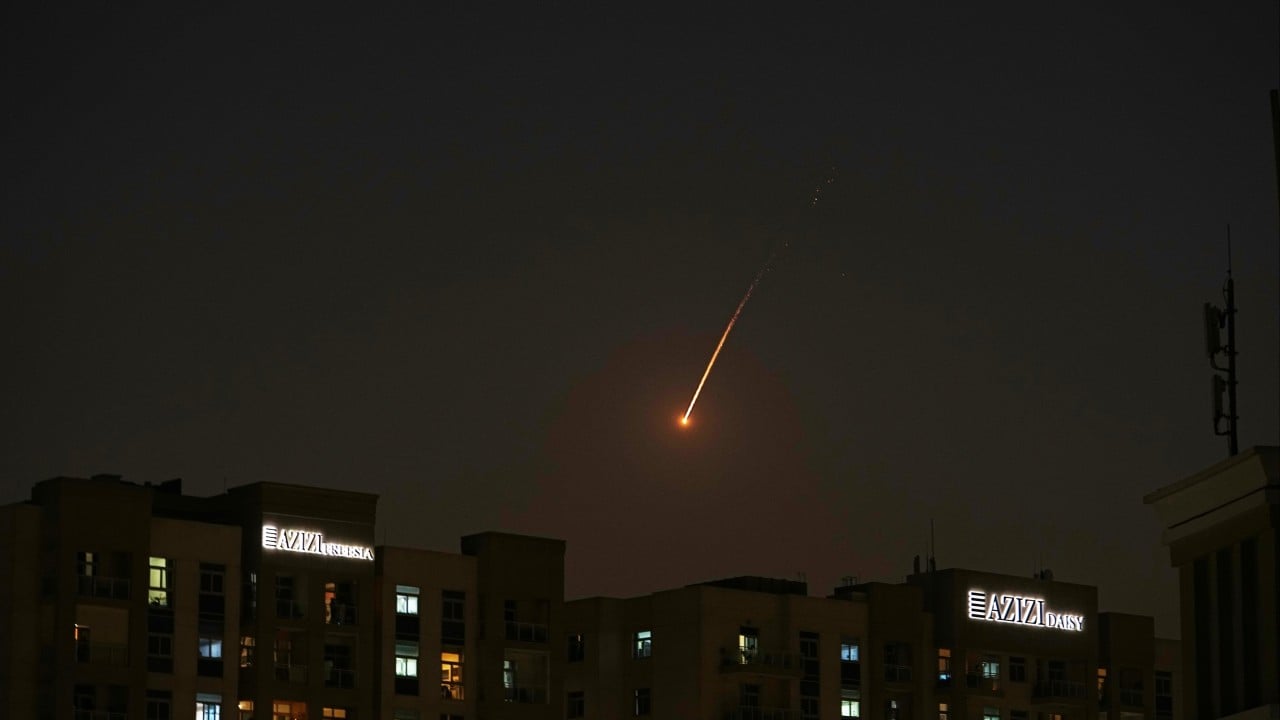
The sudden closure of airspace across the Middle East has sent a shockwave through the logistics of the Far East, specifically targeting the fragile recovery of Hong Kong’s aviation sector. While headlines focus on the immediate military exchanges between regional powers and their Western allies, the real economic damage is being tallied in the flight operations centers of the Pearl River Delta. Over 54 scheduled flights between Hong Kong and Middle Eastern destinations faced total disruption in a single 24-hour window, forcing a massive rerouting effort that extends flight times, drains fuel reserves, and threatens the city’s status as a global transit point.
This is not merely a scheduling headache. It is a fundamental stress test for an industry that was already struggling to regain its pre-pandemic dominance. When the skies over Iran, Iraq, and Jordan turn into a no-fly zone, the primary corridor for "Kangaroo Route" traffic—connecting Europe to Asia via the Middle East—effectively vanishes.
The Logistics of a Locked Sky
Airlines do not just "fly around" a conflict. Every mile added to a flight path is a calculated loss in payload and profit. For a long-haul carrier operating out of Hong Kong International Airport (HKIA), the closure of Iranian and Iraqi airspace means diverting through much narrower corridors over Central Asia or Saudi Arabia. These paths are currently congested, as every major international carrier is attempting the same maneuver.
The physics of these diversions are brutal. An extra two hours of flight time for a Boeing 777-300ER can require an additional 12 to 15 tons of fuel. To accommodate that extra weight, airlines must often leave cargo behind or reduce the number of passengers. In a business where margins are razor-thin, the cost of the fuel alone can turn a profitable route into a massive liability.
Furthermore, the bureaucratic burden of "overflight permits" cannot be overstated. When a sudden escalation occurs, flight dispatchers must scramble to secure permissions from alternate countries. If a pilot is already in the air when the airspace closes, the situation becomes a high-stakes game of aerial chess. We saw this play out in real-time as several flights bound for Hong Kong were forced to turn back mid-flight or divert to "safe-haven" airports like Dubai or Doha, leaving thousands of passengers stranded and ground crews overwhelmed.
The Cathay Pacific Conundrum
For Hong Kong’s flag carrier, Cathay Pacific, the timing couldn't be worse. The airline has spent the last two years desperately trying to restore its flight capacity to 2019 levels. These disruptions don't just affect the flights to Dubai or Tel Aviv; they create a ripple effect across the entire network. If a plane is stuck in Riyadh because it couldn't enter Iranian airspace, that same aircraft isn't available for its next leg to London or Vancouver.
The industry calls this "rotational delay." It is a silent killer of punctuality and brand loyalty. When a hub like Hong Kong sees 54 flights disrupted, it isn't just a 24-hour problem. It is a week-long recovery process to get airframes and crews back where they belong. The labor costs alone—paying for hotel rooms for stranded crews and overtime for ground staff—are staggering.
Why the Middle East Corridors Matter to Asia
It is tempting to view the Middle East as a distant problem, but for Hong Kong, it is a primary gatekeeper. The city’s geography makes it a natural bridge between mainland China and the West. Historically, the most efficient way to reach Europe or Africa from East Asia has been to cut through the heart of the Middle East.
The Three Critical Pressure Points
- Fuel Hedging and Volatility: The conflict doesn't just block paths; it spikes the price of Brent Crude. Airlines that haven't hedged their fuel costs are now paying a premium for the extra miles they are forced to fly.
- Insurance Surcharges: War risk insurance for aircraft flying anywhere near the Levant has skyrocketed. Some insurers are refusing to cover hulls that enter specific coordinates, forcing airlines to take even longer, "safer" routes that further degrade efficiency.
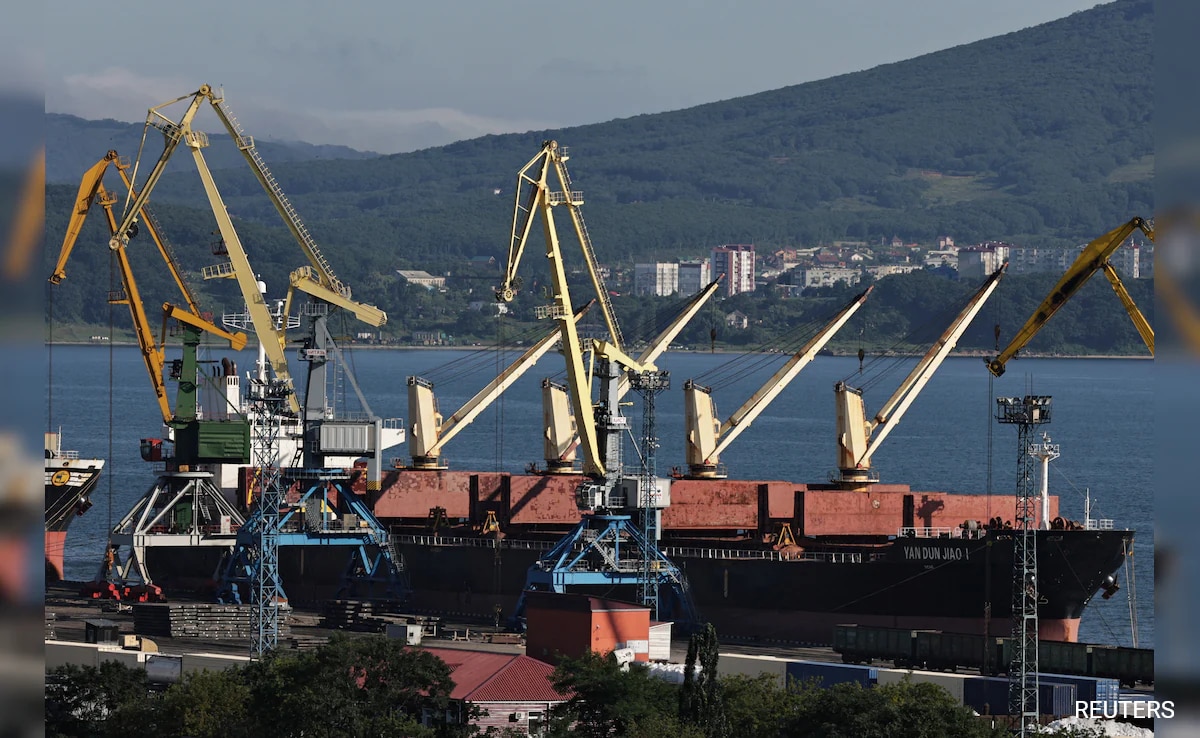
- Cargo Bottlenecks: Hong Kong is the world’s busiest air cargo hub. A significant portion of "belly cargo" (goods carried in the hold of passenger planes) moves on these Middle Eastern routes. Electronics, perishables, and high-fashion items are now sitting in warehouses instead of moving toward their markets.
The Mirage of Modern Navigation
We often talk about the world being more connected than ever, but the current crisis proves how fragile those connections are. We rely on a handful of narrow geographical corridors. When those corridors are contested by sovereign states using long-range ballistics, the "global village" shrinks instantly.
The tech on the flight deck—GPS, ADS-B, and satellite communication—is useless if the political reality on the ground forbids entry. We are seeing a return to Cold War-era flight planning, where pilots must navigate around vast swaths of the globe that are simply "off-limits." This is a regression for the industry, one that undermines the promise of seamless global travel.
Regional Hub Competition
There is also a darker, competitive angle to these disruptions. While Hong Kong suffers, other hubs may see a temporary, albeit chaotic, influx of traffic. However, the true winners are the long-range direct flights that can bypass the Middle East entirely by flying over the North Pole or taking the long way around the Cape of Good Hope.
The problem is that very few aircraft have the range to fly from Hong Kong to Europe via the southern tip of Africa without a refueling stop. This puts HKIA at a disadvantage compared to hubs in North America or even Singapore, which have different routing options available to them.
The Human Factor
Beyond the spreadsheets and fuel burn charts, there is the reality of the passenger experience. Modern travelers have zero patience for "geopolitical reality." They see a canceled flight and they see a failure of the airline. The reputational damage to Hong Kong as a reliable transit hub is a secondary, but no less significant, casualty of this conflict.
If a business traveler knows that their flight through Hong Kong is subject to 12-hour delays due to regional instability, they will book through Tokyo or Seoul. Once that passenger habit shifts, it is incredibly difficult to win back.
Tactical Reality vs. Strategic Failure
The aviation industry is currently operating in a reactive mode. There is no "Plan B" for the total closure of Middle Eastern airspace because there is no viable alternative that doesn't involve prohibitive costs.
Airlines are currently begging for "corridor agreements"—guarantees that civilian aircraft will be spared even during active exchanges. But in the age of sophisticated anti-aircraft systems and "fog of war" mishaps, no CEO is willing to bet a $300 million aircraft and 300 lives on the promise of a combatant.
The result is a stagnant, expensive, and frustrating environment for everyone involved in the Hong Kong aviation ecosystem. The 54 flights disrupted this week are a warning shot. If the airspace remains closed, the "World's City" risks becoming a Cul-de-sac.
The focus must now shift from simple crisis management to a long-term restructuring of how we view global flight paths. We can no longer assume that the most efficient route will be available. Aviation planners must now build "conflict-redundancy" into their schedules, which inevitably means higher ticket prices and longer travel times for the foreseeable future.
The true test for Hong Kong will be whether it can maintain its volume while its primary arteries are constricted. As long as the missiles are flying, the logistics of the Far East will remain grounded in a costly, defensive crouch.
Check the arrival boards at HKIA tonight. The "Delayed" or "Canceled" status next to every flight from Istanbul, Dubai, or Doha isn't just a sign of a bad day; it’s the sound of the global economy's gears grinding to a halt.