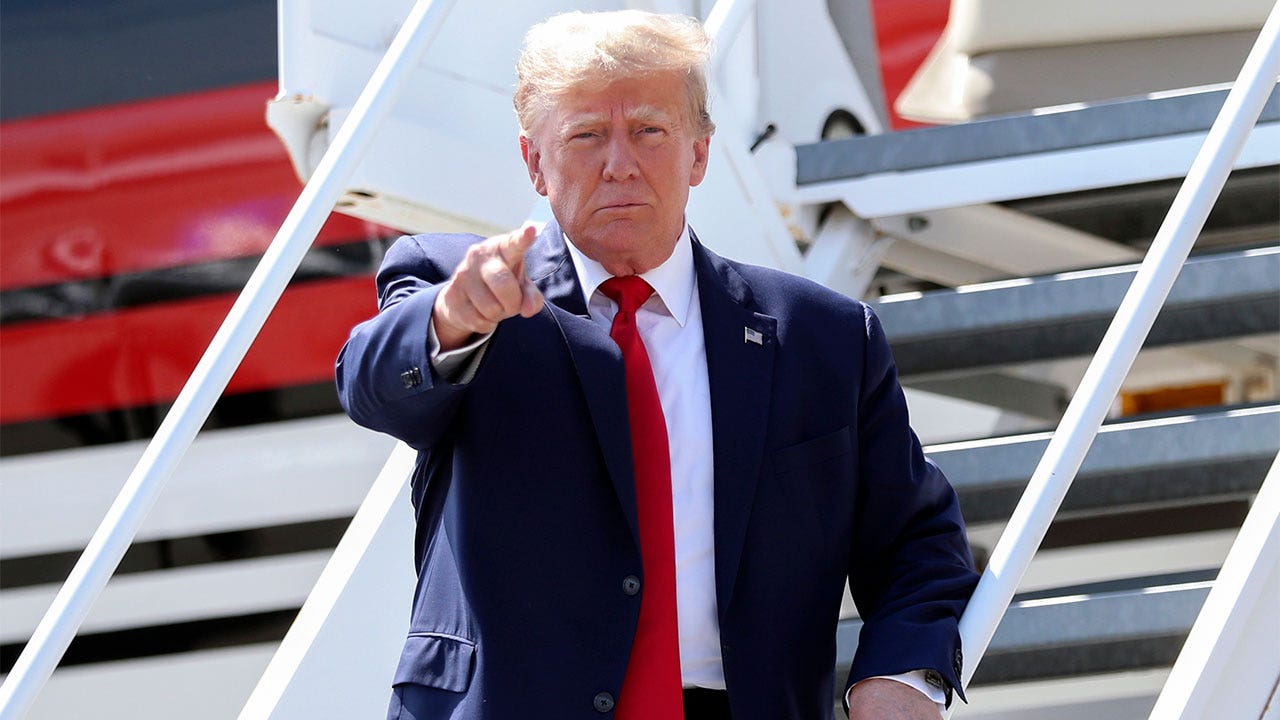
Donald Trump just handed NATO another one of his signature ultimatums, and it’s sending shockwaves through every embassy in Brussels. He’s calling the alliance’s reluctance to back a potential U.S. conflict with Iran a "very foolish mistake." It’s classic Trump—blunt, transactional, and designed to make career diplomats lose their sleep. But if you look past the typical bombast, he’s touching on a structural crack in the Western alliance that most leaders would rather ignore.
For decades, the U.S. has been the undisputed muscle of NATO. We pay the lion's share. We provide the nuclear umbrella. In return, the U.S. expects loyalty when things get messy in the Middle East. Trump’s latest charge isn't just about Iran; it’s a fundamental challenge to what an "alliance" even means in 2026. If the U.S. feels it’s being treated like a piggy bank with no backup, the entire foundation of the North Atlantic Treaty starts to look shaky.
The Friction Between European Neutrality and American Strategy
European leaders usually try to walk a tightrope when it comes to Tehran. They want to keep the remains of the nuclear deal alive. They want to avoid another massive wave of refugees like the one that destabilized their politics in 2015. So, when Trump talks about "charging" allies for their lack of cooperation, he’s hitting them where it hurts most: their security dependency.
This isn’t just a hypothetical spat. The U.S. has been tightening the screws on Iranian proxies across the region, from the Red Sea to the Levant. When the U.S. Navy spends millions of dollars a day intercepting missiles to keep global shipping lanes open—lanes that Europe relies on more than we do—and then hears "thanks but no thanks" on military cooperation, the frustration is real. Trump is simply saying out loud what many in the Pentagon have whispered for years.
Europeans argue that NATO is a defensive alliance meant for the North Atlantic, not a global police force for American interests. Trump’s counter-argument is simpler. He sees it as a subscription service. If you don't help the provider when they're in a fight, don't expect the provider to show up when you're in one.
Why This Specific Warning Matters Right Now
The timing of these remarks isn't accidental. With the 2024 election cycle in full swing and global tensions at a boiling point, Trump is signaling a "U.S. First" military doctrine that could redefine global security. He’s explicitly linking NATO’s survival to its willingness to pivot toward American priorities outside of Europe.
- Financial Leverage: Trump has repeatedly pointed out that many NATO members still haven't met the 2% GDP defense spending target.
- The Iran Variable: Unlike the war in Ukraine, where NATO is relatively aligned, Iran is a wedge issue.
- Transactional Diplomacy: This isn't about shared values or "the rules-based order." It's about a quid pro quo that many European voters find deeply uncomfortable.
If a second Trump administration becomes a reality, this "foolish mistake" comment will likely become the blueprint for negotiations. He isn't just venting. He’s setting the stage to potentially withdraw or diminish U.S. involvement in Europe unless he gets what he wants in the Persian Gulf. It’s a high-stakes gamble that treats the most successful military alliance in history like a real estate deal gone sour.
The Growing Divide in Global Security Priorities
We’ve reached a point where the U.S. and its European allies are living in two different strategic realities. For Washington, Iran is a primary threat to global energy stability and a key partner in a new "axis" involving Russia and China. For Berlin or Paris, Iran is a regional problem that should be handled with diplomacy and containment, not aircraft carriers.
Trump’s rhetoric bridges that gap with a sledgehammer. He’s forcing a choice. You can't claim to be an ally on Monday and a neutral bystander on Tuesday when the missiles start flying. Honestly, the "foolish mistake" he’s talking about is the European assumption that the U.S. will always be there, regardless of how little help it receives in return.
Military experts like those at the Atlantic Council have often warned that the lack of a unified NATO policy on the Middle East is the alliance's greatest weakness. Trump is just the only one willing to use that weakness as a political weapon. He knows that without U.S. intelligence and logistics, Europe’s own defense capabilities are effectively hollow.
What This Means for the Future of the Alliance
Don't expect the typical diplomatic "mending of fences" here. This is a fundamental shift in how one of the most powerful men in the world views international cooperation. If NATO allies continue to stay on the sidelines regarding Iran, the "foolish mistake" might actually be the slow-motion collapse of the alliance itself.
The U.S. is increasingly focused on the Indo-Pacific and the Middle East. If Europe wants to remain the top priority for American planners, it’s going to have to start acting like a global partner rather than a regional client. Trump’s message is clear: the days of the "free ride" are over, and the bill is coming due in the form of military cooperation against Tehran.
Watch the upcoming NATO summits closely. You’ll see the language start to shift. More mentions of "out-of-area" threats. More talk about "maritime security" in the Middle East. Whether they like Trump or not, European leaders are realizing that the price of the American umbrella is getting much, much higher.
Keep an eye on the defense budgets of the "Big Three" in Europe—Germany, France, and the UK. If they don't start shifting resources toward shared naval operations or integrated missile defense that helps the U.S. mission, expect the rhetoric from the Trump camp to get even more aggressive. The era of comfortable, localized defense is dead. Start preparing for a world where "ally" is a verb, not just a label.