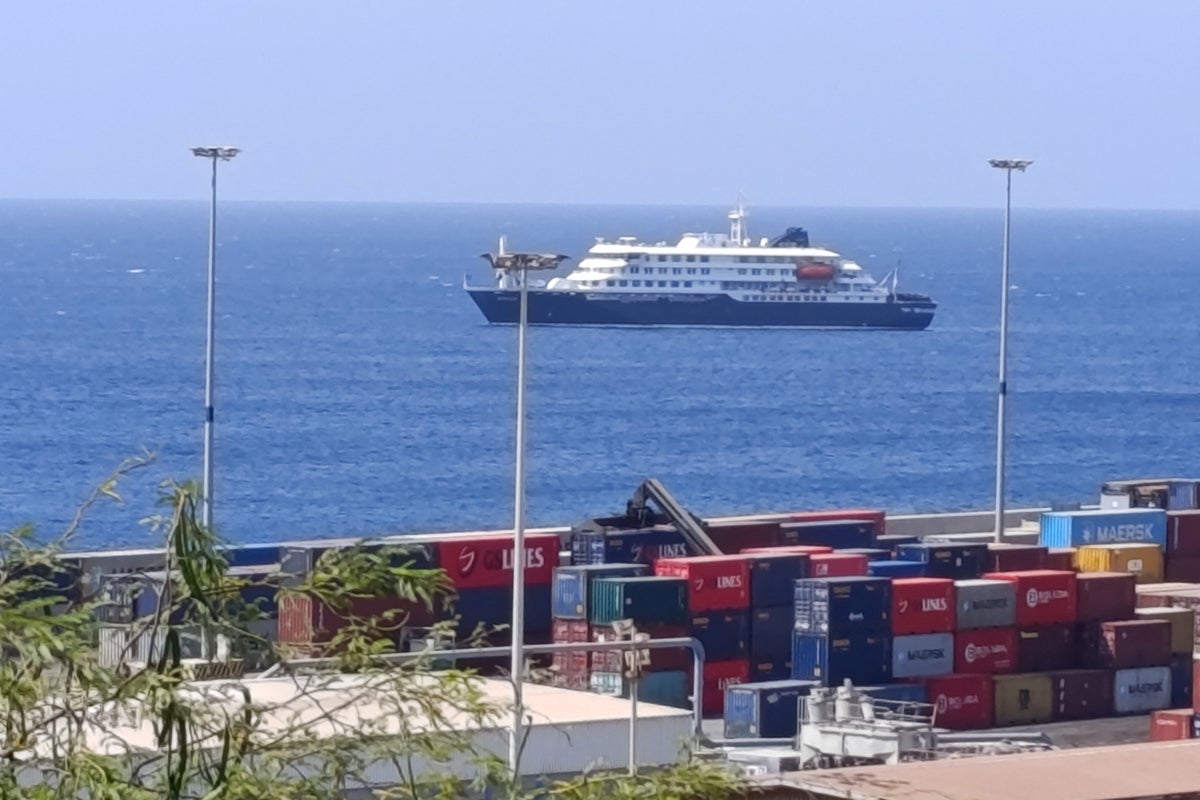
Cruising is supposed to be about bottomless mimosas and sunsets over the horizon. It isn't supposed to be about tearful Instagram lives and hazmat suits. Yet, a prominent U.S. travel blogger just gave the world a front-row seat to a vacation nightmare. Trapped on a cruise ship currently battling a Hantavirus outbreak, her viral video highlights a terrifying shift in how we view luxury travel. If you think a stomach bug is the worst thing you can catch at sea, you're wrong. This is much more serious.
The situation unfolded rapidly. What started as a standard itinerary turned into a floating quarantine. While the cruise line attempted to manage the optics, the raw emotion in that viral video told the truth. People are scared. They should be. Hantavirus isn't your typical respiratory infection. It’s rare, it’s aggressive, and on a ship with thousands of people, it’s a logistical catastrophe.
Understanding the Hantavirus Threat at Sea
Most people associate Hantavirus with dusty cabins in the woods or cleaning out a long-abandoned shed. It’s traditionally a rural concern. The virus is primarily spread by rodents—specifically through contact with their urine, droppings, or saliva. When these waste products are disturbed, the virus becomes airborne. You breathe it in, and the clock starts ticking.
Seeing this surface on a high-end cruise ship feels impossible. These vessels are marketed as the pinnacle of cleanliness and modern engineering. But ships are basically floating cities. They have massive galleys, waste management systems, and intricate ventilation networks. If rodents find a way in—often through port facilities or supply shipments—the environment becomes a pressurized vessel for disease transmission.
Hantavirus Pulmonary Syndrome (HPS) is the specific concern here. According to the CDC, HPS has a mortality rate of around 38%. That is a staggering number. It’s not a "stay in your cabin and drink fluids" kind of illness. It’s an "intubation in the ICU" kind of illness. The blogger’s tears weren't just for a ruined vacation. They were for the very real possibility of a life-threatening medical emergency in the middle of the ocean.
Why This Outbreak is Different from Norovirus
We’ve all heard of Norovirus. It’s the classic cruise ship villain. It causes a few days of misery, some aggressive bathroom runs, and then it’s over. Cruise lines have a playbook for it. They spray everything with bleach and tell you to wash your hands.
Hantavirus is a different beast entirely. You can't just "hand-wash" your way out of an airborne viral threat lingering in a ventilation system. The incubation period is also a major problem. It can take anywhere from one to eight weeks for symptoms to show up after exposure. This means people could leave the ship feeling fine, fly home to different corners of the globe, and then fall critically ill weeks later.
Tracing the source becomes a nightmare. Was it a specific deck? A shipment of fresh produce loaded in a tropical port? Or is it localized in the crew quarters where the public never goes? The lack of immediate answers is what fuels the panic we saw on social media.
The Blogger Perspective and the Power of Real Time Reporting
Travel influencers often get a bad rap for being "fake" or "overly curated." Everything is filtered. Everything is perfect. But when the walls start closing in, the filter drops. This specific blogger did something the cruise line's PR department couldn't: she provided transparency.
Her video documented the confusion. She spoke about the sudden changes in ship protocols, the restricted movements, and the visible presence of medical teams. For the people at home, it was a glimpse into a crisis. For the passengers on board, it was a lifeline to the outside world.
Cruise lines are notoriously tight-lipped during health crises. They want to protect the brand. They want to avoid lawsuits. They often provide vague updates that don't actually tell you anything. When a passenger with a platform starts talking, the power dynamic shifts. The cruise line is forced to be more forthcoming because the "official story" is being challenged in real-time by someone with a smartphone and a million followers.
Symptoms to Watch For
If you’re following this story and wondering if you should be worried about your next trip, you need to know what to look for. Early symptoms of Hantavirus look a lot like the flu:
- Fever and chills
- Muscle aches, particularly in the thighs, hips, and back
- Fatigue and headaches
- Nausea or vomiting
The scary part happens about four to ten days later. This is the "late phase." This is when your lungs start filling with fluid. Shortness of breath becomes severe. If you’re on a ship and you feel like you can't catch your breath, you are in a race against time. The ship’s infirmary is well-equipped for stitches or seasickness, but it isn't a level-one trauma center.
The Logistics of a Cruise Ship Quarantine
Quarantining a cruise ship is a massive undertaking. You have thousands of people in confined spaces. Food needs to be delivered to cabins. Waste needs to be managed without spreading the pathogen. It’s a logistical hellscape.
On this particular ship, reports indicate that specific sectors were cordoned off. This suggests the source might have been identified in a localized area, like a specific storage locker or a section of the HVAC system. But the psychological toll on passengers is immense. Being stuck in a 200-square-foot room with no window while a deadly virus circulates is enough to break anyone.
The economic fallout is also massive. A ship tied up in port under quarantine costs the company millions every single day. Future bookings plummet. It’s a PR disaster that can take years to recover from. We saw this during the early days of the COVID-19 pandemic, and the industry is still sensitive to these events.
What Travel Companies Aren't Telling You
Travel insurance is usually sold as a "catch-all" for your problems. But read the fine print. Many standard policies have exclusions for "epidemics" or "acts of government." If a ship is quarantined, your insurance might cover the medical bills, but it might not cover the lost time or the mental anguish.
Furthermore, cruise lines often have limited liability. When you sign that ticket contract, you're signing away a lot of your rights. You're agreeing to their terms of arbitration. You're agreeing that they aren't responsible for emotional distress. It’s a lopsided deal that favors the corporation.
The reality is that as we push further into remote ports and use increasingly complex global supply chains, the risk of "exotic" diseases entering the cruise environment goes up. It isn't just about Hantavirus. It’s about the next thing we haven't even named yet.
How to Protect Yourself on Your Next Trip
You don't have to stop cruising, but you do have to stop being naive. You're your own best advocate.
- Research the ship's history. Every ship has a health inspection score. These are public records. If a ship has a history of pest control issues, don't book it.
- Pack a "sick kit." Don't rely on the ship's store. Bring your own masks, high-quality hand sanitizer, and basic meds.
- Be observant. If you see signs of rodents—droppings in the corners of a buffet area or chewed wires—report it immediately. Don't wait.
- Buy the right insurance. Look for "Cancel for Any Reason" (CFAR) policies. They’re more expensive, but they’re the only thing that actually protects you in a situation like this.
The blogger in that video is now home and safe, but the trauma remains. Her experience serves as a sobering reminder that the world is a messy, unpredictable place. Even when you're on a five-star vacation, nature doesn't care about your itinerary.
Stay informed. Stay skeptical. If you're currently booked on a cruise, call your travel agent. Ask about their recent health inspections. Ask about their rodent control protocols. If they can't give you a straight answer, maybe it's time to reconsider that "unbeatable" deal.
Travel is a gift, but it shouldn't be a gamble with your life. Don't let the marketing brochures blind you to the risks. The moment you step on that gangway, you're entering a closed ecosystem. Make sure it’s a healthy one.
Check the latest CDC Vessel Sanitation Program (VSP) scores before you pay your final deposit. If a ship scores below an 85, stay away. Your life is worth more than a cheap balcony room.