The Dolby Theatre smells of expensive lilies and desperation. If you stand in the wings during the Oscars, just past the heavy velvet curtains where the stage lights can’t reach, you can see it in the eyes of the suit-and-tie crowd. They aren't looking at the shimmering gold trophies. They are looking at the exits.
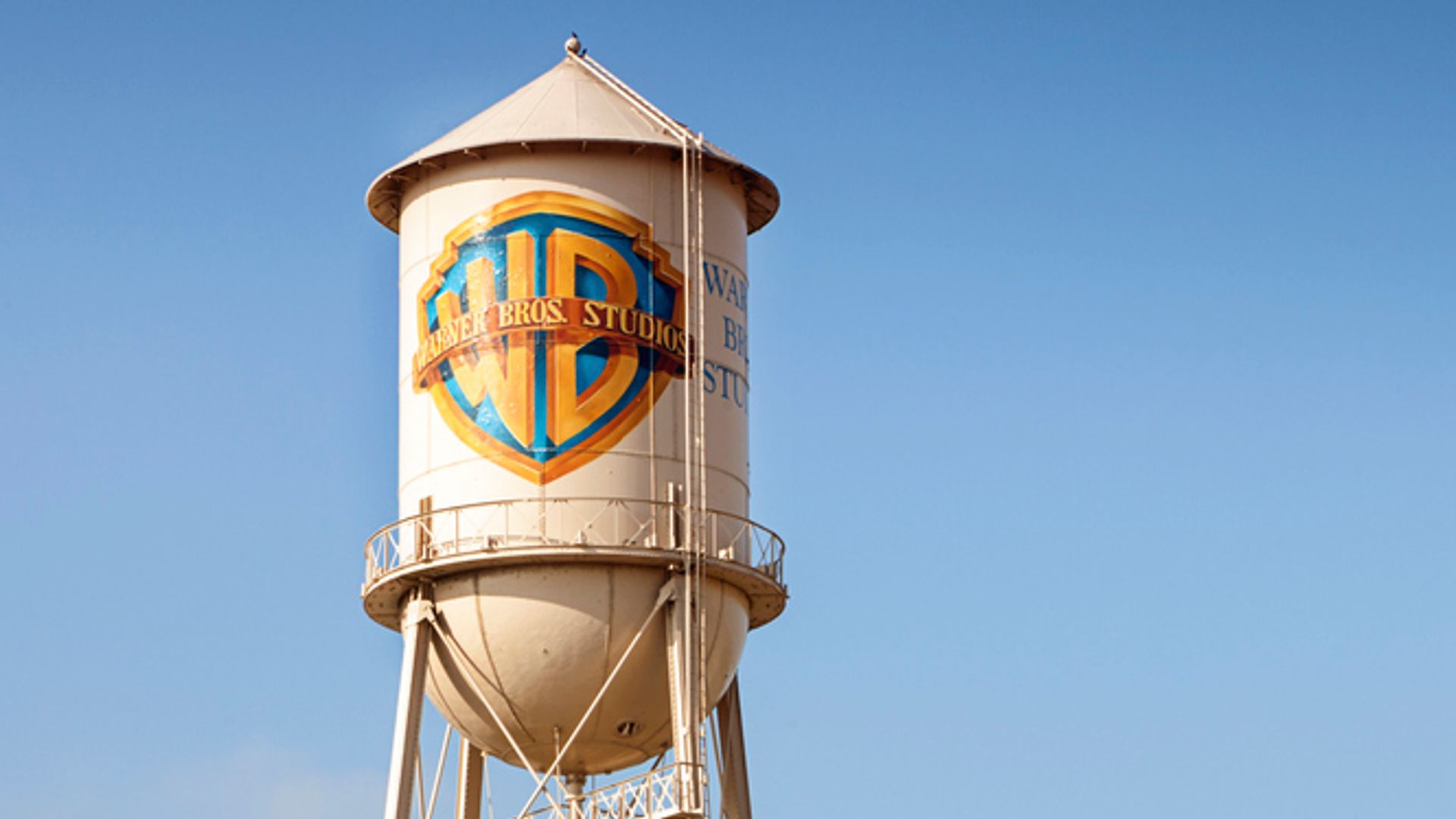
For Warner Bros. Discovery, this year should have been a victory lap. The kind of year that defines a century-old studio. They have the critical darlings. They have the box office juggernauts. They have the momentum that usually signals a new golden age. Yet, beneath the red carpet, the floorboards are creaking. The house is winning, but the owners are quietly checking the foundations for rot.
The Weight of Gold
Imagine a director—let’s call her Sarah. She has spent five years of her life obsessing over a single frame of film. She’s weathered the production delays, the ego clashes, and the sleepless nights in the editing bay. On Sunday, she might walk onto that stage and hold a 24-karat gold-plated man in her hands. In that moment, Sarah represents the pinnacle of Warner Bros.’ creative soul. She is the proof that the "Dream Factory" still works.
But while Sarah is practicing her speech, a thousand miles away in a sterile boardroom, a group of men are looking at a spreadsheet that doesn't care about her cinematography.
The paradox is staggering. Warner Bros. is currently the most successful studio in Hollywood and, simultaneously, its most fragile. It is a king sitting on a throne made of glass. The success of films like Barbie or the cinematic gravitas of Dune: Part Two provides a glimmering distraction from a brutal reality: the company is carrying a debt load that would make a small nation shudder.
When David Zaslav took the helm of the merged Warner Bros. Discovery, he didn't just inherit a movie studio. He inherited a mountain of obligations. To climb out, he started cutting. He canceled finished movies for tax write-offs. He gutted departments. He turned a creative sanctuary into a lean, mean, debt-repayment machine.
The industry watched in horror.
The Ghost of Mergers Past
Hollywood has always been a town built on the "Next Big Thing," but usually, that refers to an actor or a franchise. Today, the "Next Big Thing" is a potential sale.
There is a specific kind of silence that falls over a production set when rumors of a takeover start to swirl. It’s not a sudden quiet. It’s a slow leak. It starts with the line producers wondering if their budgets will be frozen. It moves to the agents who worry if their clients’ projects will be orphaned by a new regime.
Consider the hypothetical life of a mid-level executive at the studio. Every morning, he wakes up and checks the trades. He isn't looking for casting news. He is looking for signs of a "Rule 102" expiration—the technicality that, as of April 2024, finally allows Warner Bros. Discovery to be sold or merged again without massive tax penalties.
He knows that if Comcast or Paramount or a tech giant like Apple decides to buy the pieces, his office might be gone by Christmas. This is the invisible stake. It isn’t just about who wins Best Picture; it’s about whether the person who greenlit the winner will still have a job to greenlit the next one.
The Strategy of the Scythe
The tension lies in the clash between two different languages. The creatives speak in terms of "legacy" and "cultural impact." The corporate masters speak in "EBITDA" and "free cash flow."
To the suits, a movie isn't just a story. It’s an asset. And if that asset is worth more as a tax loss than as a theatrical release, the choice is simple. Brutal. Logical.
This is why the uncertainty feels so heavy. Warner Bros. is currently performing a high-wire act. On one hand, they are courting the world’s greatest filmmakers, promising them the biggest screens and the best marketing. On the other, they are signaling to Wall Street that everything is on the table.
It is hard to build a home on shifting sand. If you are Christopher Nolan or Greta Gerwig, you want to know that the studio that birthed your vision will exist in two years. You want to know that your film won't be buried in a vault because a new parent company decided to pivot to unscripted reality television to save a few pennies on the dollar.
The Architecture of a Rumor
The rumors of a merger with Paramount Global weren't just chatter. They were a symptom of a deeper fever. The industry is consolidating because the old ways of making money—cable subscriptions and DVD sales—are ghosts. Streaming was supposed to be the savior, but it turned out to be a gold-plated money pit.
Now, everyone is looking for a partner to hold onto while the ship sinks.
But Warner Bros. isn't just any ship. It is the Titanic of the industry, but with enough lifeboats for everyone if they just stopped trying to sell the wood from the hull. The irony is that the studio’s massive success at the Oscars actually makes them a more attractive target for acquisition. A shelf full of trophies is the ultimate window dressing. It says to a potential buyer: "Look at how much prestige you can own."
For the people who actually make the movies, that prestige feels increasingly like a target on their backs.
The Human Cost of the "Deal"
Let’s look at the assistants. The people who fetch the coffee, read the scripts, and keep the gears turning. In the "Standard Industry Article," they are invisible. In reality, they are the ones living in the shadow of the takeover.
When a merger happens, it’s never the C-suite that feels the pinch first. It’s the "redundancies." It’s the marketing team that has spent twenty years learning how to sell a drama to an audience that only wants superheroes. It’s the archivists who protect the physical film prints of history.
In the hallways of the Burbank lot, there is a palpable sense of "waiting for the other shoe to drop." You can see it in the way people talk in the commissary. Conversations are hushed. Everyone is an amateur financial analyst now. They know the stock price. They know the debt-to-equity ratio. They know more about corporate law than they do about Three-Act Structure.
This is what uncertainty does to art. It turns creators into accountants.
The Myth of the Clean Break
There is a hope among some that a sale would bring stability. That a deep-pocketed tech giant might come in and provide the "forever capital" needed to stop the cutting.
But history suggests otherwise.
When AT&T bought Time Warner, they promised a revolution. They delivered a disaster. They tried to run a movie studio like a phone company. They didn't understand that you can’t schedule a "hit" like you schedule a technician visit.
The current management is trying to fix the damage of that era while simultaneously preparing for the next one. It is like trying to perform heart surgery on a patient who is currently running a marathon.
The View from the Podium
Back at the Dolby Theatre.
The lights dim. The conductor raises his baton. The presenter opens the envelope.
"And the Oscar goes to..."
The roar of the crowd is deafening. The winners embrace. The studio executives in the front row smile for the cameras. For a few seconds, the debt doesn't matter. The merger rumors don't matter. The "Rule 102" doesn't matter.
But as the winner walks up the steps, they glance toward the back of the room. They see the shadows. They know that tomorrow morning, the sun will rise over Burbank, and the first phone call won't be a congratulatory one. It will be a call about the "strategic review." It will be a call about "synergies."
The tragedy of the modern Hollywood era is that even when you win, you're still wondering if you'll be allowed to keep the trophy.
Warner Bros. is currently the best in the business. They have proven they can still capture the world's imagination. They have shown that they are the keepers of the flame.
The only question left is who will be holding the match when the curtains finally close.
The red carpet is being rolled up now. The lilies are starting to wilt. The golden statues are being packed into velvet-lined boxes for the journey home.
Outside, in the cool California night, the "For Sale" sign isn't visible yet. But if you look closely at the reflection in the glass of the studio gates, you can see the faint outline of the surveyors already measuring the land.