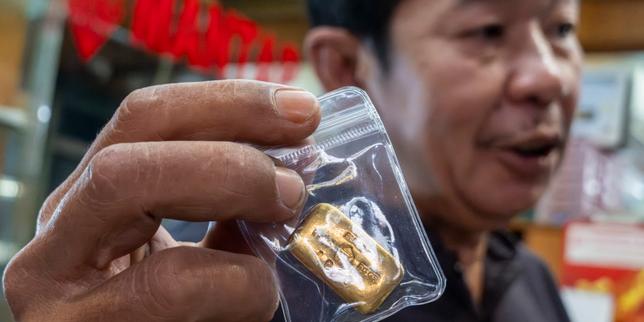
Military tension flares up in the Middle East and investors immediately run to gold. It's the oldest playbook in finance. For decades, the precious metal served as the ultimate financial bunker when Washington and Tehran started trading blows. But if you think the gold market moves in a straight line during a geopolitical crisis, you're missing the bigger picture.
The immediate reaction to a sudden conflict is predictable. Prices spike. Fear drives volume. Yet, what happens next catches most retail investors completely off guard. The gold market often reverses course violently just as the headlines get worse. Also making news lately: The Geoeconomic Arbitrage of India Latin America Trade Decay and Velocity.
Understanding this volatility isn't just an academic exercise. It's about protecting your capital when global events spin out of control. Let's look at how aggressive state actions change the rules of the gold game and why the market turns on a dime.
The Knee Jerk Reaction is Only Half the Story
When rumors of conflict between Washington and Tehran turn into actual military engagement, the initial market response is swift. Capital flies out of risky assets like tech stocks and pours directly into bullion. This safe-haven buying creates a massive liquidity surge. More details on this are explored by The Wall Street Journal.
This initial spike represents pure emotion. Algorithms and panic buyers drive the price up within minutes of a breaking news alert. During past escalations, like the 2020 missile strikes or the 2024 regional skirmishes, we saw gold jump by dozens of dollars an ounce in a single trading session.
But holding onto that rally requires sustained momentum. That's where the trap springs. Once the initial shock wears off, professional traders look at the broader macroeconomic picture. They stop trading the news and start trading the economic consequences. If the conflict threatens to choke off global oil supplies through the Strait of Hormuz, it shifts the entire inflation calculation for central banks.
Why the Gold Trend Inverts When Conflict Escalates
It sounds counterintuitive. Why would gold prices drop when the threat of war is still high? The answer lies in the response of the world's reserve currency.
When global stability is threatened, money doesn't just flee to gold. It floods into US Treasuries and the US Dollar. A stronger greenback behaves like an anchor on precious metals. Because gold is priced in dollars globally, a surging dollar makes the metal significantly more expensive for buyers holding euros, yen, or yuan. Demand drops, and prices follow.
- The Liquidity Crunch Effect: In a true global panic, large hedge funds often face massive losses in their equity portfolios. To cover margin calls, they need cash fast. They sell what they can, not what they want to. Since gold is highly liquid, it becomes the first asset they liquidate to raise cash, driving the price down despite the ongoing crisis.
- The Interest Rate Counterweight: War and regional blockades cause oil prices to spike. Higher oil prices mean higher inflation. Central banks, particularly the Federal Reserve, respond to rising inflation by raising interest rates or keeping them higher for longer. High interest rates are the natural enemy of gold because bullion pays no dividend or yield. Investors abandon non-yielding gold to grab 5% or 6% yields on risk-free government bonds.
This exact dynamic played out during several historic Middle Eastern crises. The initial panic creates a peak, followed by a sharp sell-off as institutional money recalibrates for a higher-rate, stronger-dollar environment.
Spotting the Signs of a Market Reversal
You can't time the exact top of a geopolitical market spike, but you can look for the structural shifts that signal the rally is running out of steam.
Watch the relationship between gold and crude oil. Usually, they jump together during an Iranian crisis. If crude keeps climbing because of supply fears but gold starts flattening out or dipping, the safe-haven trade is exhausted. The market is transitioning from fear-based buying to inflation-protection selling.
Pay close attention to the futures market volume. A sharp price increase on thinning volume means retail buyers are chasing the tail end of the move while institutional money sits on its hands. That's usually your cue that a reversal is imminent.
Smart Capital Allocation in Times of Crisis
Chasing a geopolitical gold rally after the news hits the front page is a losing strategy. The easy money has already been made by the time you log into your brokerage account.
Instead of panic-buying physical gold at a massive premium during a crisis, focus on rebalancing. Use the artificial price spikes to trim overextended positions if you're overweight in metals. If you want true protection against systemic shocks involving major state actors like Iran, build your position quietly when the headlines are quiet.
Keep a close eye on the US Dollar Index (DXY) and institutional bond yields. When those two metrics start climbing alongside gold during a military crisis, prepare for the gold reversal. The dollar and interest rates almost always win the tug-of-war in the long run. Move your capital into short-term liquid instruments or wait out the volatility until the premium evaporates and the metal trades back down to its fundamental baseline.