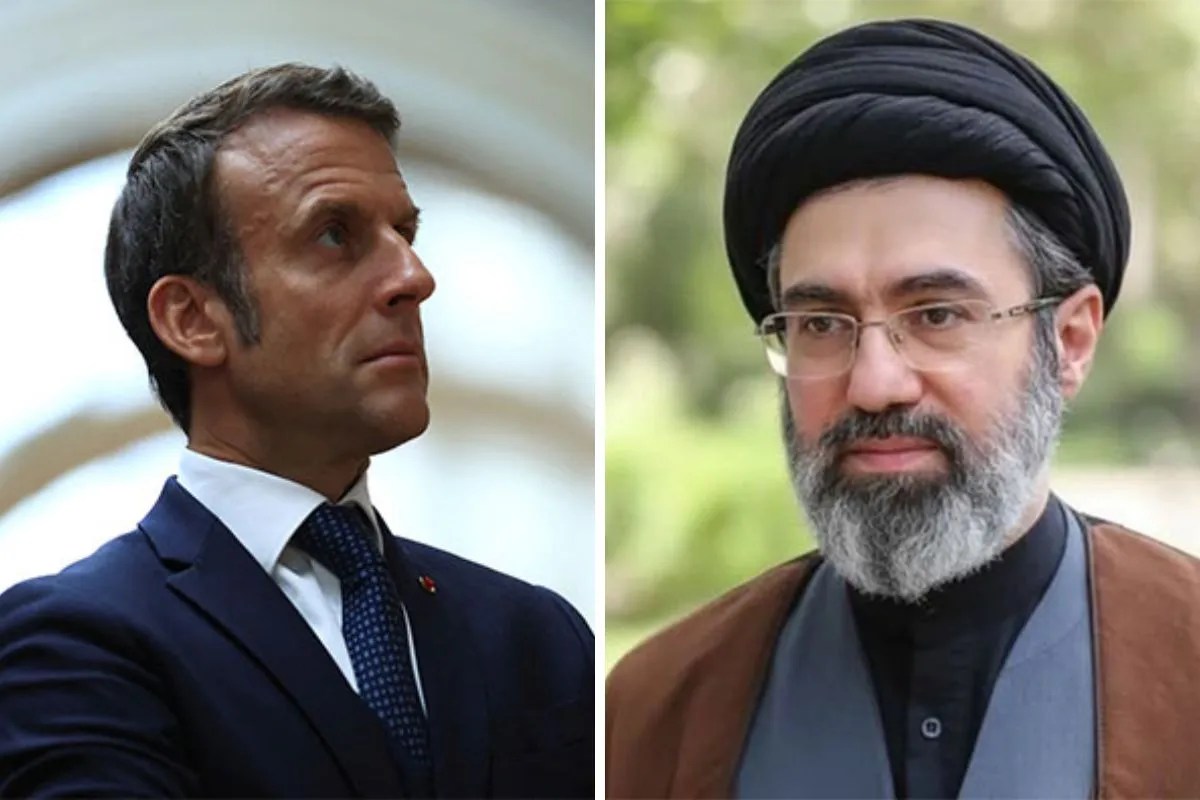
The friction between Tehran and Paris regarding the current escalation in the Levant is not a product of emotional betrayal, but a collision of two incompatible security doctrines. While Iranian rhetoric characterizes recent French diplomatic shifts as a "breach of trust," a structural analysis reveals a calculated realignment of French Mediterranean interests against the increasing costs of Iranian regional proxy integration. The disappointment voiced by the Iranian Foreign Ministry stems from a fundamental misreading of the Gaullist-Mitterrandist tradition, which prioritizes French strategic autonomy over fixed bloc loyalty.
The Triad of Strategic Friction
To understand why the Iranian leadership feels blindsided, one must categorize the breakdown of the Franco-Iranian relationship into three distinct functional pillars. These pillars explain the transition from the relative cooperation of the JCPOA era to the current state of diplomatic hostility.
1. The Erosion of the Intermediary Role
Historically, France positioned itself as the "Third Way" between Washington and Tehran. This role provided Iran with a vital backchannel to the West. However, the utility of this channel has diminished as the Nuclear Cost Function shifted. France now views Iran’s nuclear advancements and its role in the Ukraine conflict (via drone supply chains) as a direct threat to European continental security. When a middleman’s own security is compromised by one party, the incentive to remain a neutral arbiter evaporates.
2. Maritime and Mediterranean Security Interests
France maintains a significant naval presence in the Eastern Mediterranean and the Red Sea. The activities of the "Axis of Resistance," specifically the disruption of global shipping lanes, create a direct economic and military cost for Paris. For France, the defense of freedom of navigation is a non-negotiable component of its sovereignty. Iran’s expectation that France would overlook these disruptions in favor of "balanced diplomacy" ignores the Primary Security Mandate of the French state.
3. The Re-alignment of European Defense Autonomy
Following the invasion of Ukraine, France has accelerated its push for "European Strategic Autonomy." This requires a consolidated European front on external threats. By aligning more closely with the UK and Germany on Middle Eastern policy, France is trading its independent influence in Tehran for a leadership position within a unified European defense framework.
The Mechanism of Disappointment: A Misalignment of Expectations
The Iranian Foreign Minister's lamentation—suggesting that such "behavior was not expected"—reveals a failure in Tehran’s diplomatic forecasting. This failure is rooted in two specific cognitive biases within the Iranian foreign policy establishment.
- The Persistence of the 2015 Paradigm: Tehran still views France through the lens of the 2015 nuclear deal negotiations, where Paris acted as a pragmatic hardliner but stayed within the framework of engagement. They failed to account for the Sunk Cost Fallacy regarding the JCPOA; France has effectively written off the 2015 agreement as a viable security instrument.
- Underestimation of the "Russia Factor": The integration of Iranian military technology into the Russian war effort changed the French perception of Iran from a regional middle-power to a direct participant in a European security crisis. In the French logic, if Iran provides the tools to threaten European borders, France is no longer obligated to protect Iranian interests in the Levant.
Structural Constraints on French Diplomacy
France is currently operating under a set of constraints that dictate its "betrayal" of Iranian expectations. These are not choices made out of spite, but rather systemic necessities.
The NATO-EU Synchronization
As tensions rise between Israel and regional actors, France cannot afford to be the outlier within NATO. Any perception of being "soft" on Tehran would weaken French leverage within the alliance, especially as it seeks to influence the next phase of European defense architecture. The strategic value of being a "reliable ally" to the West currently outweighs the tactical value of being a "unique partner" to Iran.
Domestic Political Volatility
The French government faces internal pressure regarding its stance on secularism and radicalism. Strong diplomatic stances against state actors perceived to be sponsoring non-state groups allow the French executive to project strength and consistency to a domestic audience. This creates a Negative Feedback Loop for Tehran: the more Iran lean on its regional network, the more it becomes a useful foil for French domestic political signaling.
The Geopolitical Cost Function
For Iran, the loss of French diplomatic "cover" increases the cost of its regional operations in several quantifiable ways:
- Increased Sanctions Velocity: Without France acting as a brake within the EU, the speed and severity of Brussels-led sanctions will likely increase. This removes the "Good Cop/Bad Cop" dynamic that Iran previously exploited between Europe and the United States.
- Intelligence Isolation: The cooling of ties leads to a reduction in high-level intelligence de-confliction. This increases the risk of accidental escalation or miscalculation in theaters where both French and Iranian-aligned forces operate, such as Lebanon.
- Diplomatic Bottlenecks: With the French channel restricted, Iran’s path to any future "Grand Bargain" with the West becomes narrower, forcing it to rely more heavily on Swiss or Qatari mediation, which lack the G7-level weight that Paris carries.
The Lebanese Variable
The most acute point of friction is the future of Lebanon. France views Lebanon as a historical sphere of influence and a cornerstone of its Mediterranean policy. The dominance of Hezbollah, supported by Tehran, creates a zero-sum game.
- The French Objective: A stabilized, functional Lebanese state with a centralized military.
- The Iranian Objective: A Lebanon that serves as a strategic depth and a launchpad for deterrence.
These two objectives are currently irreconcilable. When the French Foreign Ministry criticizes Iran, it is specifically targeting the Iranian veto power over Lebanese political reform. This is not a "betrayal" of a friendship, but a defense of a specific French national interest that Tehran is currently obstructing.
Strategic Forecast: The End of the Neutral Arbiter
The transition of France from a cautious intermediary to a vocal critic marks a permanent shift in the European security landscape. We are moving into a period of Binary Alignment, where the "middle ground" previously occupied by Paris no longer exists.
Iran’s tactical response must now account for a Europe that is functionally indistinguishable from the United States in its Middle Eastern security objectives. The "strategic patience" once exercised by Paris has been replaced by a policy of Containment through Multilateralism.
For Tehran, the strategic play is no longer to seek a return to the French "special relationship," but to diversify its diplomatic risk by reinforcing ties with emerging powers in the Global South. However, this transition will be fraught with friction, as no other power possesses the specific combination of Western institutional weight and historical Middle Eastern presence that France once offered. The immediate strategic requirement for Iran is to re-evaluate its "Axis of Resistance" activities against the backdrop of total European alienation, as the cost of these operations now includes the permanent loss of its most influential Western interlocutor.