June in France used to mean the slow countdown to summer break. Students sat through final exams, teachers wrapped up grades, and the weather stayed relatively mild. That reality is officially dead. On June 19, 2026, more than half of the country woke up to a blistering orange heat alert, facing temperatures tracking toward 40°C.
It is not an isolated bad week. It is the new normal.
The immediate fallout is chaotic. Education Minister Édouard Geffray recently signed a sweeping order banning all primary and secondary school exam sessions after 12:00 PM. High school seniors taking the Baccalauréat now find themselves racing against the clock, crammed into classrooms between 8:00 AM and noon before the buildings turn into literal ovens. Across the country, 784 schools have radically shifted their hours, and 150 closed their doors entirely because the air inside became unbreathable.
We are watching an entire educational system crumble under the weight of a changing climate. Shifting the morning schedule by an hour or telling kids to drink more water is a band-aid on a broken limb. French schools were built for a climate that no longer exists, and fixing this requires blowing up the traditional academic calendar entirely.
Old Buildings and the Boiling Classroom Reality
Look at almost any standard French public school. You will see beautiful, historic stone architecture or post-war concrete blocks. They look great in photos. They are a nightmare in a modern summer.
The vast majority of these buildings lack any form of mechanical cooling or proper ventilation. They were constructed to retain heat during damp, chilly winters, not to repel intense subtropical air massed over Europe from Africa. When outdoor temperatures hit 38°C, these classrooms turn into heat traps. The walls absorb the radiation all day and radiate it right back into the room long after the sun goes down.
Parents and teacher unions, like the Federation of Parents' Councils, have grown loud and angry. For years, the official government advice was insulting in its simplicity. Lower the blinds. Open the windows at night. Carry a reusable water bottle.
That advice fails when the air outside does not cool down. France is experiencing a massive surge in what meteorologists call tropical nights, where the temperature refuses to drop below 20°C. When a building cannot cool down overnight, the next school day starts at a massive disadvantage. By 10:00 AM, the indoor air is already stifling.
The Unseen Destruction of Academic Performance
This is not about student comfort or a bit of sweat. Extreme heat actively damages the brain's ability to process information.
When you sit in a room that is 30°C or higher, your body diverts energy away from cognitive functioning to keep your core temperature stable. You lose focus. Your reaction times slow down.
Data backs this up clearly. A landmark Harvard University study showed a direct, undeniable link between rising classroom temperatures and falling test scores. Even more recently, a 2025 study analyzing student data in Spain proved that when temperatures breach 26.7°C, student performance in core subjects like mathematics and science takes a sharp, measurable dive.
Think about the unfairness this creates. A student taking a life-defining exam in a modern, insulated building will inherently score better than an equally bright student trapped in a stifling, century-old classroom in central Paris or Tours. The heat crisis turns standardized testing into a lottery based on school infrastructure.
Poor sleep complicates the issue. When children cannot sleep at night due to overheated apartments, they arrive at school with compromised memory retention and low emotional regulation. Teachers are not just battling the thermometer; they are managing classrooms full of exhausted, irritable, and dizzy kids.
The Disastrous Fight Over Shifting the School Calendar
If the buildings cannot be fixed overnight, the schedule must change. But changing the school year in France is like trying to move a mountain. It touches culture, economics, and deeply ingrained lifestyle habits.
The Organization for Economic Co-operation and Development has urged Western governments to structurally revise school calendars for climate adaptation. In France, that means confronting the sacred summer holiday.
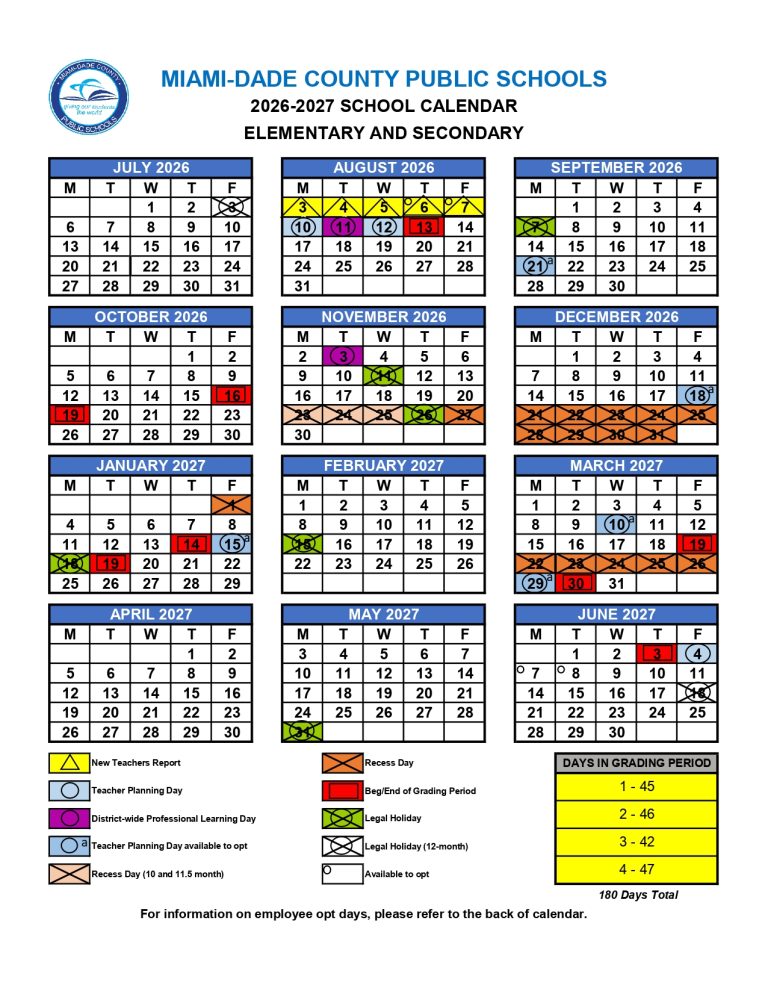
Currently, French students get eight weeks of summer vacation, starting in early July and running through August. Proposals are circulating to cut this block short. One idea involves ending the school year in late May or early June, before the worst of the summer heatwaves strike, and pushing the return date further into September or October.
The pushback is immediate and fierce.
- The tourism industry is terrified. Coastal resorts, mountain retreats, and seasonal businesses rely entirely on the traditional July-August holiday rush. Shortening or shifting this window threatens billions of euros in revenue.
- Working parents face a childcare nightmare. If schools close for a longer period during the hottest weeks of July or August without a structured alternative, parents cannot go to work.
- Staggered regional zones already complicate travel. France divides its regions into Zones A, B, and C to manage winter and spring breaks. Applying this complex system to summer to avoid peak heat would fracture family vacations across different parts of the country.
How Local Cities Are Forcing the Issue
While ministries in Paris debate long-term policy, local mayors and school directors are forced to innovate on the ground. They don't have the luxury of waiting for a five-year bureaucratic study.
In the Loire Valley, Tours Mayor Emmanuel Denis has taken a hardline stance. He made it clear that if indoor temperatures cross dangerous thresholds, he will shut down dozens of the city's educational institutions without waiting for a green light from the state. Local autonomy is becoming the primary defense mechanism against heat emergencies.
Other regions are implementing a split-shift model. Students arrive at 7:00 AM, breeze through core academic subjects, and leave before the afternoon peak. The afternoon is reserved for remote reading assignments or complete rest.
It is an uncomfortable compromise. It disrupts school lunches, wrecks transport schedules, and forces working parents to scramble for midday pickups. Yet, it is the only way to keep children safe when the alternative is heat exhaustion.
The Physical Retrofitting that Must Happen Now
We cannot change the calendar without changing the physical reality of the classrooms. True adaptation requires massive, aggressive capital investment in infrastructure.
Air conditioning is the obvious answer, but it is a double-edged sword. Installing traditional AC units in every classroom across France would consume massive amounts of energy and spew more carbon into the atmosphere, worsening the exact cycle driving these heatwaves.
The focus must shift toward passive cooling and smart engineering.
Green Canopies and Depaving
Most French schoolyards are fields of black asphalt. They absorb radiation and create micro-urban heat islands. Cities need to rip up the tarmac. Replacing asphalt with grass, soil, and dense tree canopies can lower local outdoor temperatures around a school building by several degrees.
External Solar Shading
Internal blinds do not work well because the heat has already passed through the glass. Schools need heavy, automated external shutters or brise-soleil systems that block sunlight before it ever hits the windowpane.
High-Thermal-Mass Ventilation
Buildings need automated night-purge ventilation systems. These systems mechanically open high vents during the coolest hours of the early morning, pulling cold air through the structure and flushing out the heat accumulated from the previous day.
Immediate Steps for the Upcoming School Weeks
If you are a parent, student, or educator dealing with the current June crisis, you cannot wait for a building remodel or a legislative shift. Survival means changing daily habits immediately.
Pack double the amount of water your child normally needs, and ensure at least one bottle is frozen solid to act as a cooling pack. Dress kids in loose, light-colored cotton or linen fabrics, completely avoiding synthetic materials that trap sweat.
Teachers should abandon high-stakes testing or intense lecture formats during afternoon hours, regardless of what the curriculum timeline dictates. Pivot to quiet, independent reading or low-exertion activities.
The era of ignoring the thermometer in the classroom is over. France can either choose to systematically redesign its schools and calendars on its own terms, or let the climate dictate the closures, falling grades, and health emergencies every summer.