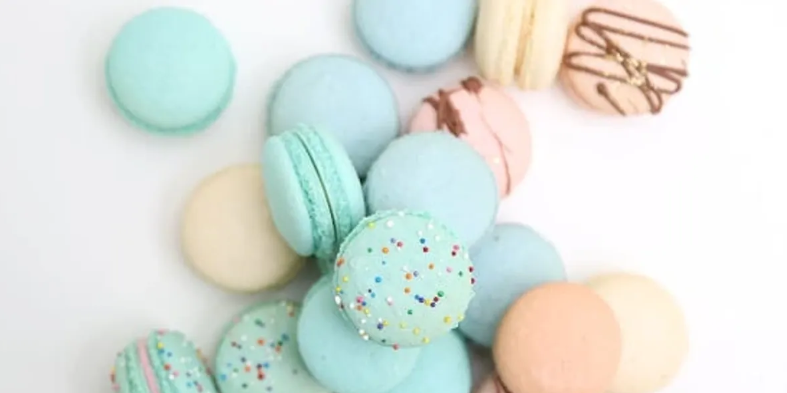
French macarons are the ultimate baking ego-bruiser. You follow a recipe to the letter, weigh everything down to the single gram, and they still turn out cracked, hollow, or completely stuck to the pan. It's infuriating. Most online recipes, including popular ones like Kizzy's Macarons, treat the process like a simple chemistry equation. Mix A with B, bake, and enjoy.
That is a lie.
Macarons are about technique, environmental control, and knowing exactly what your batter should look like at every single stage. If you are tired of baking sad, flat almond cookies instead of beautiful, chewy French macarons with perfect feet, you need to stop overthinking the numbers and start mastering the mechanics.
Let's break down why your macarons are failing and look at the exact protocol required to fix them.
The Big Myth About French Macarons and Ageing Egg Whites
Almost every traditional baker will tell you that you must age your egg whites for 24 to 48 hours in the fridge to dehydrate them. This is mostly a waste of time. While reducing moisture is important, you can achieve the exact same structural stability by adding a pinch of cream of tartar or using high-quality egg white powder.
The real secret lies in the protein structure. Fresh, cold eggs are easy to separate, but room-temperature egg whites whip into a much more stable meringue. Cold whites don't trap air as efficiently, which leads to over-whipping and a dry, brittle batter.
Take your eggs out of the fridge at least two hours before you start. If you are in a rush, place the whole eggs in a bowl of warm water for ten minutes. Do not skip this.
The Meringue Is Where Your Batch Dies
You cannot eyeball a macaron meringue. There are two primary methods: the French method (whipping sugar straight into raw whites) and the Italian method (streaming hot sugar syrup into the whites). While the Italian method is technically more stable, it is a massive hassle for home bakers. We are focusing on the French method because it is faster, cleaner, and yields a more delicate texture when done right.
The most common mistake is whipping the meringue too fast. If you crank your stand mixer up to the maximum speed immediately, you create large, unstable air bubbles. They will expand rapidly in the oven and cause your macaron shells to crack.
Instead, start on medium-low speed until the whites get frothy. Add your cream of tartar. Then, gradually add your castor sugar one tablespoon at a time. Once the sugar is fully incorporated, turn the mixer up to medium-high. You want stiff peaks that clump inside the whisk and stand completely straight when you lift the beaters. If the peak droops even a little bit, keep whipping.
Master the Macaronage or Face Hollow Shells
The macaronage is the process of folding your dry ingredients—finely ground almond flour and powdered sugar—into your meringue. This is where most bakers panic. They either under-mix, leaving too much air in the batter, or over-mix, turning the batter into a runny, unsalvageable soup.
First, run your almond flour and icing sugar through a fine-mesh sieve. Throw away any large chunks of almond that won't fit through. If you leave them in, your shells will look bumpy and rustic instead of smooth and glossy.
When you fold, use a silicone spatula. Cut down through the middle of the bowl, sweep around the bottom, and fold the batter over itself. Turn the bowl ninety degrees and repeat.
As the ingredients combine, you need to start flattening the batter against the sides of the bowl. This deflates some of the excess air.
Stop and check the consistency frequently. Lift your spatula. The batter should flow off it in a slow, continuous ribbon that looks like molten lava. If it drops in thick, disconnected clumps, it needs more folding. If the ribbon disappears into the rest of the batter in less than ten seconds, you have gone too far. It should take about fifteen to twenty seconds for the ribbons to fully sink back into the mixture.
Tapping, Resting, and the Humidity Factor
Once you pipe your rounds onto your baking sheet, you have to get the trapped air bubbles out. Slam the baking sheet flat onto your counter three to four times. Be aggressive here. If you see air bubbles pop to the surface, prick them gently with a toothpick.
Now, you wait. This is the resting phase, and it is entirely non-negotiable.
During the rest, the surface of the macaron dries out and forms a thin, matte skin. This skin forces the steam to escape from the bottom of the cookie during baking, which is what creates those iconic, ruffled feet. If you put the trays straight into the oven, the steam breaks through the top, causing massive cracks.
Resting takes anywhere from twenty minutes to an hour depending on the humidity in your kitchen. Touch the side of a shell very gently with your finger. If the batter sticks to you, it isn't ready. It should feel completely dry and smooth. If you live in a highly humid climate, run a dehumidifier or air conditioner in your kitchen, or your macarons will never dry properly.
Oven Temperature Reality Check
Your oven is lying to you. The digital display on your appliance rarely matches the actual internal temperature, fluctuates constantly, and has hot spots that will ruin a delicate batch of cookies.
Macarons are incredibly sensitive to heat. Too hot, and they brown and crack. Too cool, and the feet won't rise, leaving the insides gummy and underbaked.
Buy a cheap, standalone oven thermometer and place it right in the centre of your oven rack. Bake at 150°C (300°F) for fourteen to sixteen minutes.
If you notice one side of the tray is browning faster, rotate the pan exactly halfway through the baking time. To check if they are done, touch the top of a shell and try to wiggle it gently. If it feels loose or separates from the foot, it needs another minute or two. It should feel sturdy and anchored.
The Final Step to Perfect Texture
Do not try to peel hot macarons off your baking parchment or silicone mat. They will tear, leave their bottoms behind, and ruin your day. Let them cool completely on the tray for at least half an hour.
Once cool, they should peel away effortlessly. If they are still sticky, pop the entire tray into the freezer for five minutes, and they will snap right off.
The final element of a great macaron is maturation. A freshly baked shell is often a little too crisp. Once you fill them with a rich chocolate ganache, a silky buttercream, or a tart fruit curd, place them in an airtight container and leave them in the fridge for 24 hours. The shells will absorb just enough moisture from the filling to create that perfect, signature contrast: a paper-thin, crispy exterior with a deeply chewy interior.
Get your ingredients weighed out, set your eggs on the counter to warm up, check your kitchen's humidity level, and pay close attention to the texture of your batter as you fold. Practice the visual cues rather than just watching the clock.