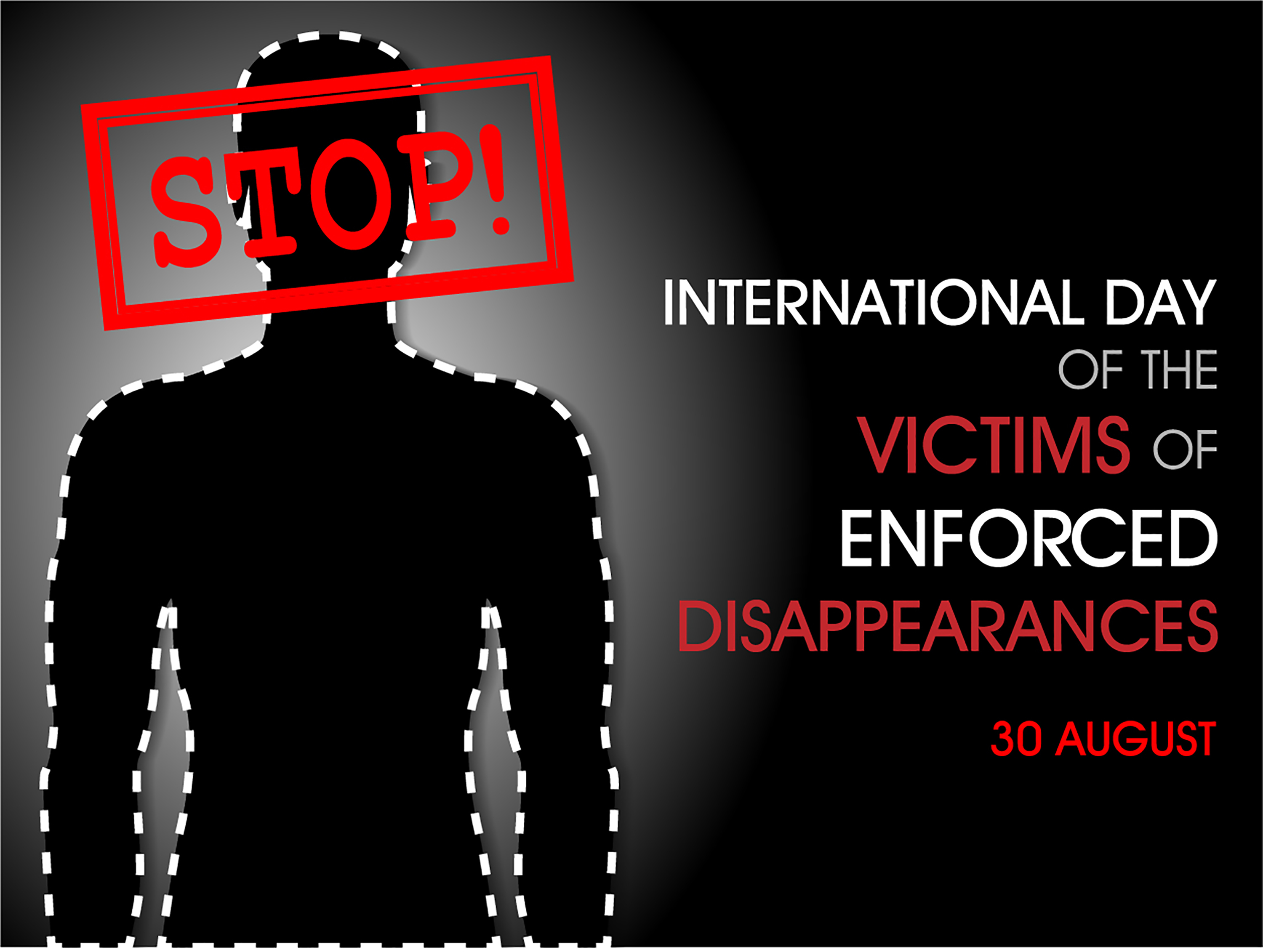
The arrest of a Baloch woman in Quetta, identified by state authorities as a potential suicide bomber or facilitator, has reopened a raw wound in the volatile province of Balochistan. While security forces claim to have thwarted a major terror plot, human rights organizations and local activists tell a starkly different story. They claim the woman had been missing for six months, a victim of the "enforced disappearances" that have haunted the region for decades. This clash of narratives is not merely a legal dispute. It represents the fundamental breakdown of trust between the state and its periphery, where the line between counter-terrorism and extrajudicial crackdown has become dangerously blurred.
The incident centers on a specific pattern. A person vanishes, often allegedly taken by men in plain clothes or security uniforms. Months pass with no record of their whereabouts. Then, suddenly, they reappear in a high-profile police press conference, often linked to the Baloch Liberation Army (BLA) or other separatist groups. For the state, this is proof of effective intelligence work. For the families, it is a cynical rebranding of illegal detention.
The Mechanics of the Quetta Bust
According to official police statements, the woman was apprehended while allegedly transporting explosives intended for a high-value target in Quetta. The recovery of suicide vests or detonators is a standard feature of these reports. Law enforcement officials argue that the recruitment of women into militant roles is a growing trend, citing the 2022 Karachi University bombing as the primary precedent. In that instance, a well-educated woman carried out a suicide attack, shifting the security paradigm and forcing authorities to reconsider their profiling methods.
However, the "facilitator" label is broad. In the legal context of Balochistan, it often covers everything from active combatants to individuals who allegedly provided a meal or a room to a suspect. This ambiguity allows for a wide net to be cast. When the state presents a suspect to the media, the presumption of innocence is effectively neutralized before the first court hearing even begins.
The Disappearance Timeline
Human rights defenders have provided documentation suggesting the woman in this case was reported missing long before her official arrest date. This discrepancy is the crux of the crisis. If a citizen is in state custody without charge for half a year, any subsequent confession or "discovery" of criminal intent is legally tainted.
The practice of "short-term" and "long-term" disappearances has created a climate of pervasive fear. Activists argue that the "reappearance" of missing persons as terrorists serves two purposes for the security apparatus. First, it provides a retroactive justification for the initial illegal abduction. Second, it creates a public spectacle of success in the war against insurgency.
The Role of the BLA and Reciprocal Radicalization
The Baloch Liberation Army has indeed pivoted toward more aggressive tactics, including the use of female operatives. This is a cold reality that cannot be ignored. The Majeed Brigade, the BLA’s elite unit, has made no secret of its intent to use any means necessary to target Chinese interests and Pakistani security installations.
Yet, the state’s heavy-handed response often feeds the very insurgency it seeks to crush. When a woman is whisked away and held in a "black site," the move does not just affect her. It radicalizes her brothers, her cousins, and her community. Every unexplained disappearance becomes a recruitment tool for the militants. The state is essentially competing with the insurgents to see who can alienate the local population faster.
The Judicial Vacuum
The courts in Balochistan find themselves in a precarious position. Judges frequently demand the production of missing persons, only to be met with silence or vague denials from intelligence agencies. When a person finally appears in court after a "recovery" operation, the judiciary often lacks the political weight to investigate the months of prior absence.
Due process is the primary casualty here. If the state has evidence of terrorism, the legal path is clear: arrest, charge, and try the individual in a court of law within twenty-four hours. By bypassing this, the state loses the moral high ground. It moves from being a protector of the law to a participant in a cycle of shadow violence.
The Demographic Shift in Activism
The most significant change in the Balochistan conflict over the last five years is the emergence of women at the forefront of the protest movement. Led by figures like Mahrang Baloch, these women are not militants; they are sisters and daughters of the missing. They have transformed a local grievance into an international human rights issue.
By labeling a missing woman as a "suicide facilitator," the state may be attempting to delegitimize this female-led protest movement. If the public can be convinced that the women being "disappeared" are actually dangerous terrorists, the sympathy for the protest camps in Islamabad and Quetta might evaporate. It is a high-stakes information war where the truth is often buried under layers of official secrets and militant propaganda.
Evidence or Extortion
In many of these cases, the "evidence" presented to the media is never fully scrutinized in an open court. Recovered explosives are rarely subjected to independent forensic analysis accessible to the defense. Confessions are frequently retracted the moment a suspect is moved from police custody to a judicial lockup, with claims of torture being the standard explanation.
The psychological toll on the Quetta community is immense. When a woman is involved, the cultural stakes are higher. In Baloch society, the sanctity of the home and the protection of women are paramount. Breaching these norms—whether by the state through abductions or by militants through recruitment—shatters the social fabric.
Strategic Failures of the Counter-Insurgency
The current strategy relies heavily on kinetic force and "enforced disappearances" as a deterrent. History suggests this rarely works in an ethno-nationalist conflict. Instead of de-escalation, the province sees a steady rise in attacks.
The state needs to understand that a "facilitator" born out of a six-month illegal detention is a liability, not a victory. Even if the individual was involved in militancy, the violation of legal procedures hands a PR win to the insurgents. It allows the BLA to claim that the state is "planting" evidence and "framing" innocents, even in cases where there might be genuine guilt.
The Cost of Silence
International observers and domestic journalists find it increasingly difficult to report from the ground in Quetta. Access is restricted, and local reporters face immense pressure to parrot the official line. This lack of independent oversight allows both state and non-state actors to manipulate the narrative.
The Quetta case is a microcosm of the larger Balochistan problem. It is a story of missing people, missing evidence, and a missing sense of justice. Until the state can account for the gaps in its timelines, the "terrorist" label will continue to be viewed by many as a convenient fiction used to cover up a systemic violation of human rights.
The only way to break this cycle is a return to the rule of law. If an individual is a threat, they must be processed through the legal system from the moment of their apprehension. Anything less is not counter-terrorism; it is a contribution to the chaos. The demand for the recovery of the missing is not an anti-state sentiment; it is a demand for the state to follow its own constitution. Without that, the "war on terror" in the southwest will continue to be a war against the people it claims to protect.