Florida has carried out the execution of a man convicted for the 1988 murder of a police officer, closing a legal chapter that spanned more than three decades. The case, centered on the fatal shooting of a patrolman during a routine traffic stop, serves as a grim reminder of the high-stakes friction between law enforcement safety and the protracted nature of the American appeals process. This execution is not merely a data point in Florida’s judicial history; it represents the culmination of a specific legal strategy by the state to prioritize the finality of sentences in cases involving the deaths of first responders.
The execution followed a series of denied appeals that reached the highest levels of the judicial system. For the family of the fallen officer and the broader law enforcement community, the event marks a delayed sense of closure. For legal analysts and human rights observers, it reignites a persistent friction regarding the speed of the death penalty and the morality of its application.
The Night a Routine Stop Turned Fatal
To understand the weight of this execution, one must look back at the humidity of a Florida night in the late 1980s. A patrol officer pulled over a vehicle for a minor infraction, a task performed thousands of times a day across the country. Within minutes, the situation dissolved into gunfire. The officer was struck and killed before he could call for backup.
The perpetrator was apprehended shortly after, following a high-speed pursuit that ended in a crash. From the moment of the arrest, the case was fast-tracked toward a capital conviction. Prosecutors argued that the killing was not just a crime of passion or a panicked reaction, but a cold-blooded assassination of a state agent. This distinction is vital. In Florida, the murder of a law enforcement officer acts as a powerful "aggravating factor" that almost guarantees the prosecution will seek the death penalty.
The Long Road of State Appeals
Most citizens assume a death sentence leads to a swift conclusion. The reality is a labyrinth of paperwork and procedural hurdles. Over thirty years passed between the sentencing and the lethal injection. This delay is often criticized by those who believe "justice delayed is justice denied," yet it exists to ensure that the state does not make an irreversible error.
In this specific case, the defense team spent years arguing various points of contention. They questioned the validity of witness testimony from three decades ago. They raised concerns about the intellectual capacity of the condemned man. They challenged the specific combination of drugs used in Florida’s execution protocol. Each of these challenges had to be heard, weighed, and ultimately dismissed by the courts before the governor could sign the final warrant.
The legal mechanism involved here is the writ of habeas corpus, a cornerstone of American law that allows prisoners to challenge their detention. In capital cases, these writs are filed at both the state and federal levels. When a case involves the murder of a police officer, the political pressure on the Attorney General’s office to expedite these filings is immense. There is an unwritten rule in the halls of power: those who kill the people who protect the public face the most rigorous pursuit of the ultimate penalty.
The Evolution of Execution Methods
Florida has a long and somewhat turbulent history with how it conducts executions. The state famously used the electric chair—nicknamed "Old Sparky"—until several high-profile malfunctions in the 1990s forced a shift to lethal injection.
The current three-drug cocktail is designed to sedate the prisoner, paralyze the muscles, and finally stop the heart. It is a clinical process, intended to be "humane," though it remains a focal point for activists who argue that no form of state-sponsored killing can truly be civilized. The state maintains that the process is strictly monitored by medical professionals and adheres to constitutional protections against cruel and unusual punishment.
The Role of the Governor
In Florida, the governor holds the ultimate power of the pen. Signing a death warrant is a calculated move that signals a "tough on crime" stance. For the current administration, executing those who kill police officers is a non-negotiable priority. It sends a message to the rank-and-file officers across the state that the government has their backs.
Critics, however, suggest that the timing of warrants often aligns with political cycles. They point to the "death row backlog" and ask why certain inmates are selected for execution while others, who committed equally heinous crimes, linger in prison for even longer periods. The selection process is often opaque, involving a mix of legal readiness and executive discretion.
The Impact on the Law Enforcement Community
The execution of a police killer reverberates through every precinct in the state. For many officers, the death of a colleague is a wound that never fully heals. They view the execution not as vengeance, but as the only appropriate "payment" for a life taken in the line of duty.
"When you put on the badge, you accept a certain level of risk," says a retired Florida sergeant who asked to remain anonymous. "But you never accept the idea that someone can kill you and then live out their days on the taxpayer's dime. This isn't about hate; it's about the social contract."
This sentiment is shared by many who believe that the death penalty serves as a necessary deterrent, specifically protecting those in high-risk public service roles. While social scientists debate whether the death penalty actually lowers crime rates, the psychological impact on the police force is undeniable. It reinforces the gravity of their role and the state's commitment to their safety.
Counterpoints and the Question of Efficacy
While the state celebrates a closed case, the opposition remains vocal. Death penalty abolitionists argue that the cost of these decades-long legal battles far exceeds the cost of life imprisonment without parole. They also point to the risk of executing the innocent, citing the dozens of exonerations from death rows across the United States.
In this case, the defense argued until the final hours that new forensic insights could have cast doubt on the original conviction. The courts were unmoved. They ruled that the evidence presented at trial was "overwhelming" and that the procedural requirements for a fair trial had been met.
The Global Perspective
The United States remains an outlier among Western democracies in its continued use of capital punishment. Most European and South American nations have long since abolished the practice, viewing it as a violation of basic human rights. Within the U.S., the trend is also shifting. Several states have moved to abolish the death penalty or put moratoriums on its use. Florida, however, remains a stronghold for the practice, alongside states like Texas and Alabama.
In Florida, the public and the political class are generally aligned on the use of capital punishment, particularly in cases involving the murder of children or police officers. This cultural consensus drives the legislative agenda and ensures that the state’s death row remains one of the largest in the nation.
The Human Toll of Judicial Closure
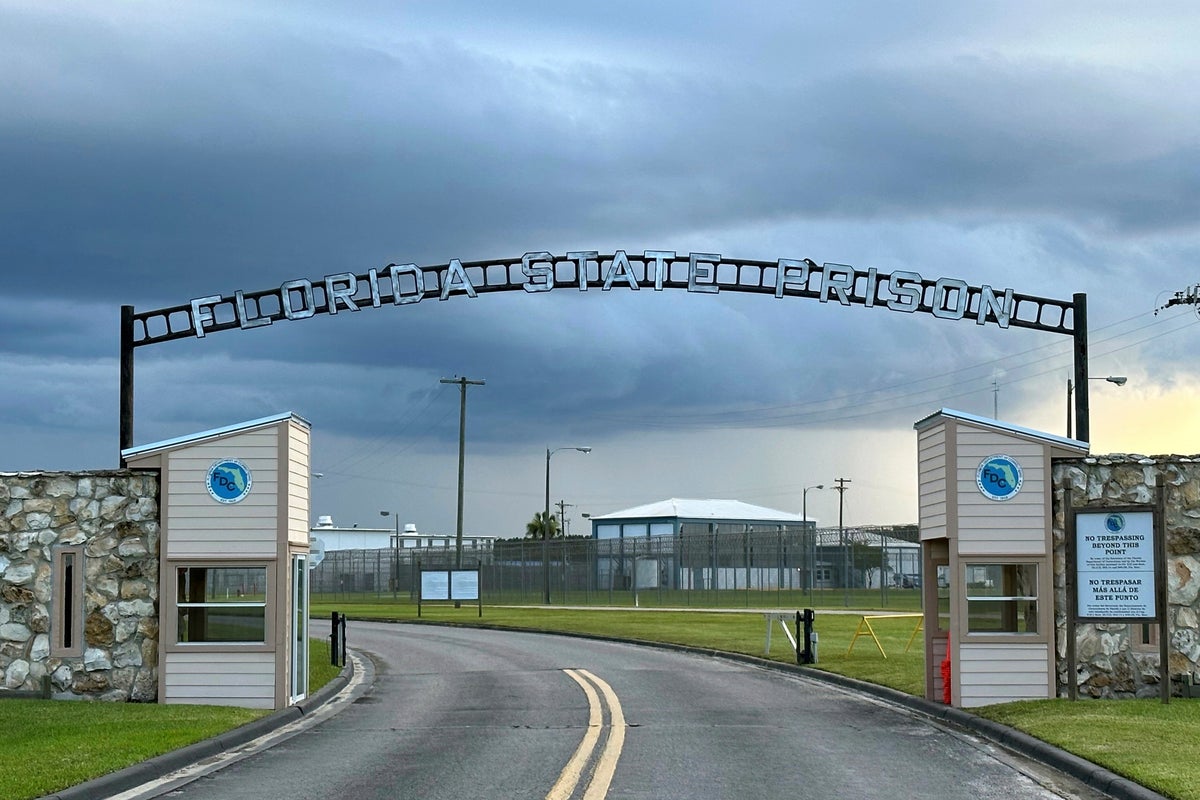
As the sun sets over the Florida State Prison in Raiford, the final steps are taken. The condemned man receives his last meal. He is allowed a final visit from family or spiritual counsel. The transition from life to death is orchestrated with clinical precision.
For the family of the fallen officer, the final minutes of the killer's life are often spent in a viewing room separated by glass. They watch the heart monitor flatline, and for the first time in thirty years, they are free of the cycle of court dates and legal briefings. This sense of peace, however fleeting, is the ultimate goal of the state's intervention.
Whether this execution serves as a deterrent or simply as a final act of retributive justice is a debate that will outlive the participants. The case is a microcosm of a much larger struggle between a state’s duty to protect its agents and its commitment to the inherent right to life. As the paperwork is filed and the media trucks depart, the cell is emptied for the next person in line.
The machinery of the Florida justice system continues to turn, unyielding and focused on the next warrant to be signed. In the eyes of the law, the debt has been paid. For the community, the officer is still gone, and the uniform remains a target for some while being a shield for many others.