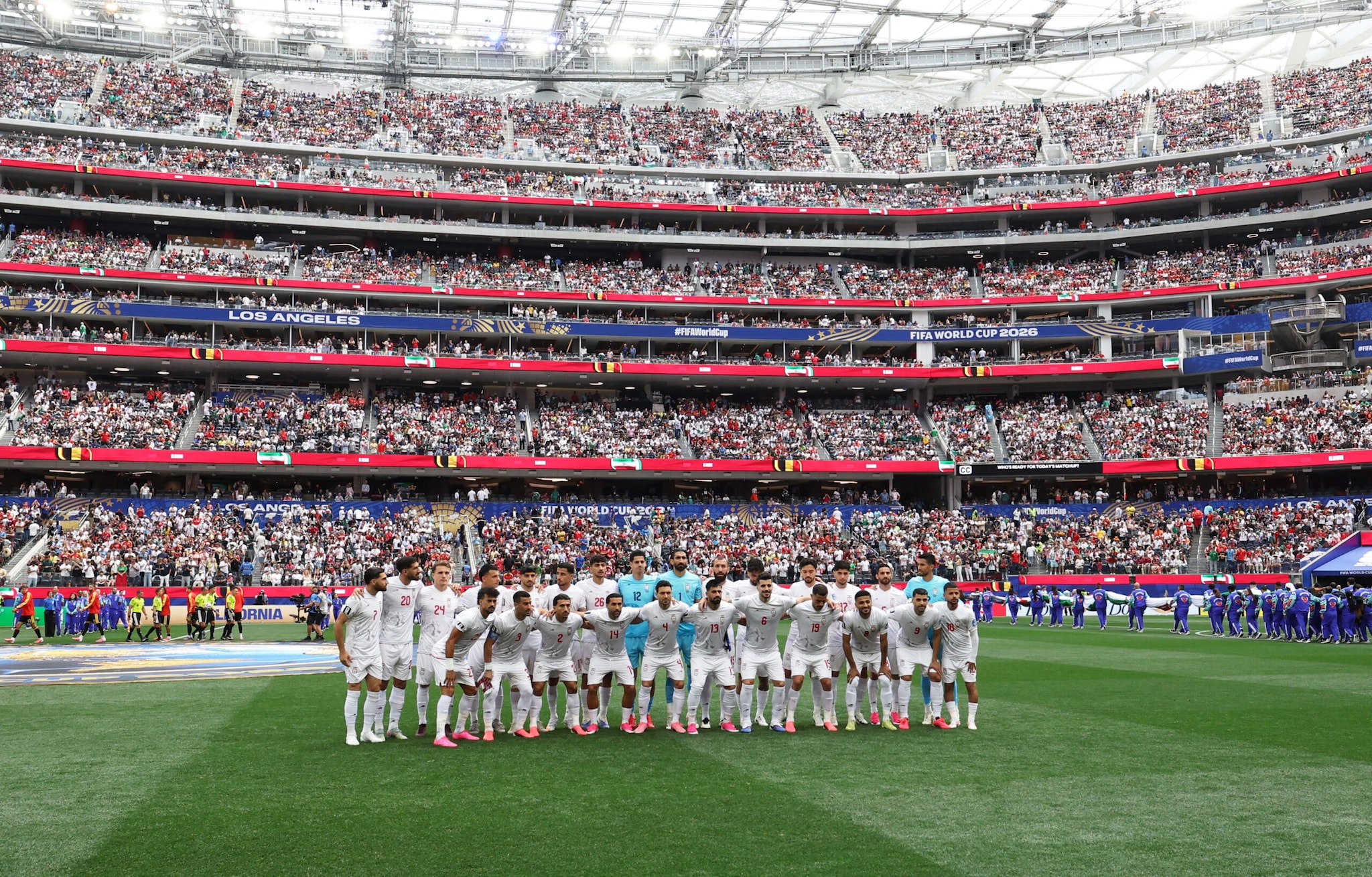
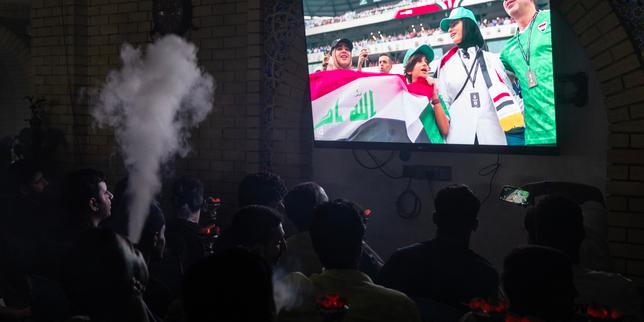
The headlines are bleeding with the same exhausted narrative. "Lagging sales." "Empty seats." "FIFA scrambles to fill stadiums."
It’s a comforting story for the critics. It paints a picture of a bloated organization finally meeting its match in a disinterested public. The problem is that it’s factually bankrupt and fundamentally misunderstands how the global sports market actually functions. When FIFA drops a "new round" of tickets, the mainstream media sees a fire sale. The insiders see a masterclass in price floor protection and strategic inventory release. If you enjoyed this post, you might want to check out: this related article.
FIFA doesn't have a demand problem. It has a distribution strategy that is designed to maximize yield while maintaining the illusion of accessibility. If you think the world's most watched sporting event is struggling to find bodies for seats, you haven't been paying attention to the math of the secondary market or the logistical reality of host-nation allocations.
The Myth of the Unsold Seat
The "lagging purchases" narrative usually stems from a misinterpretation of the ticketing phases. Most people assume a stadium is a static container that you fill from bottom to top. In reality, a World Cup stadium is a complex grid of contractual obligations. For another angle on this development, see the latest update from Bleacher Report.
A massive percentage of "available" tickets aren't even for the general public. They are held in escrow for:
- Member Associations: Every participating nation gets a slice, often not finalized until travel logistics are cleared.
- Commercial Affiliates: Sponsors like Coca-Cola or Visa hold massive blocks that they "activate" late in the game.
- Hospitality Tiers: These are the $5,000+ seats that journalists love to point to when they see empty sections.
When FIFA releases a new batch of tickets, they aren't "finding" new seats in a dusty warehouse. They are reclaiming inventory that sponsors or federations failed to utilize. Releasing these in waves isn't an act of desperation; it’s a controlled release to prevent a crash in the secondary market value. If FIFA dumped 3 million tickets on day one, the scalping ecosystem would cannibalize the official price floor. By drip-feeding the market, they maintain a high perceived value and a constant state of FOMO (Fear Of Missing Out).
Why High Prices Are a Feature Not a Bug
Critics moan about ticket prices being "out of reach" for the average fan. They argue this will lead to ghost towns in the stands. This ignores the basic laws of luxury goods.
The World Cup is no longer a populist gathering; it is a premium global experience. FIFA has calculated the exact point where they can maximize revenue without the optics of a completely empty stadium. They would rather have a stadium at 85% capacity with tickets sold at $400 than 100% capacity with tickets at $40.
Why? Because the 15% vacancy is a rounding error compared to the broadcast revenue and the "premium" branding they maintain. High prices filter for a specific demographic—the "traveling fan" who spends five times more on local infrastructure, hotels, and merchandise than a local fan would.
The Logistics of Artificial Scarcity
Let's talk about the "last-minute" releases. Journalists frame these as a panic move. In reality, it’s a sophisticated data-harvesting operation.
Every time a new window opens, FIFA gathers fresh data on which regions are still biting. This allows them to adjust their digital marketing spend in real-time. If they see a surge in clicks from Southeast Asia for a match in North America, they can pivot their logistics and sponsor activations accordingly.
Imagine a scenario where a match between two mid-tier teams has 5,000 unsold tickets two weeks out. If FIFA announces a "Final Release," they trigger a global notification system to millions of registered users. That surge of traffic is worth more in data and engagement metrics than the actual face value of the tickets. The "sold out" badge is the goal, but the journey to get there is paved with intentional delays.
The Infrastructure Lie
We hear it every cycle: "The host country isn't ready. The fans aren't coming."
We heard it about South Africa in 2010. We heard it about Brazil in 2014. We heard it about Qatar in 2022. Every single time, the stadiums were full, the atmosphere was electric, and FIFA reported record-breaking revenues.
The "lagging sales" trope is a recurring filler story for the slow news weeks leading up to the tournament. It relies on the assumption that if tickets aren't gone in the first five minutes, the event is a failure. But the World Cup isn't a Taylor Swift concert where the inventory is fixed and the audience is local. It is a month-long nomadic migration. Fans often wait until their team survives the group stages before committing to the expensive knockout round tickets.
FIFA knows this. They hold back the best inventory for the moments of highest emotional stakes. They aren't worried about the opening match between two minnows; they are waiting for the quarter-finals when the "desperate" fans will pay any price.
The Real Threat Isn't Lack of Interest
If you want to attack FIFA, stop looking at the ticketing windows. The real danger to the organization isn't "lagging purchases"—it’s the dilution of the product.
By expanding the tournament to 48 teams, FIFA is testing the limits of the "must-see" factor. When you increase the number of matches, you naturally decrease the average importance of each game. This is where the pricing model might eventually break. Not because people can't afford it, but because the utility of a Group Stage match between the 45th and 46th ranked teams in the world doesn't justify a $200 entry fee.
But for now? The "sales are lagging" narrative is a myth. It’s a tool used by media outlets to generate clicks and by FIFA to create a sense of urgency.
The Actionable Truth for Fans
If you are a fan waiting for prices to drop because you read that sales are "lagging," you are being played.
FIFA will never lower the face value of a ticket. They would rather give them away to local schools or "invitees" to fill the seats for the cameras than admit a price cut. Your best move is to ignore the "phases" and understand that the "last-minute" release is your only real shot at Category 3 seating.
The organization is a monopoly. Monopolies don't have "sales." They have distribution cycles. Stop waiting for a crash that isn't coming. The stadiums will be full, the broadcast will look perfect, and FIFA will once again laugh all the way to the bank while the critics prepare the same "lagging sales" article for the next four-year cycle.
The empty seats you see on TV during the first ten minutes of a match aren't unsold. They are "Corporate Hospitality" guests who are still finishing their champagne in the air-conditioned lounges. They paid for those seats. FIFA got the money. Whether a human body is actually in the chair is irrelevant to the balance sheet.
Stop applying 20th-century retail logic to a 21st-century digital asset. A World Cup ticket is no longer just a pass to a game; it is a volatile currency in a global attention economy. And FIFA is the central bank. They aren't losing control; they are tightening the screws.