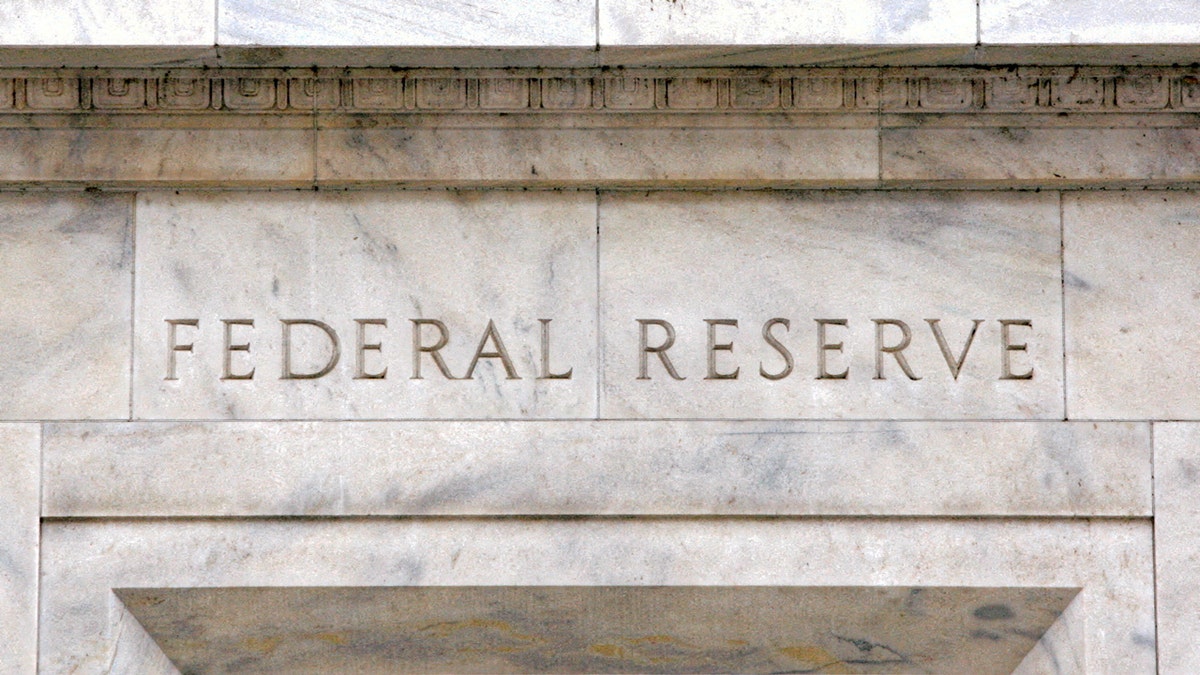
The Federal Reserve just signaled they aren’t moving an inch on interest rates. If you were hoping for a break on your mortgage or a lower rate on that car loan, you’re going to be waiting a while longer. Jerome Powell and his team are staring down a messy geopolitical map that looks increasingly like a 1970s rerun. With tensions between Israel and Iran hitting a breaking point, the threat of a massive energy spike is keeping the Fed’s finger off the "cut" button. It’s a classic defensive crouch. They’re stuck between a slowing economy and the very real possibility that global conflict will send inflation screaming back toward 4% or higher.
Most people think the Fed only looks at domestic data like the Consumer Price Index (CPI) or the latest jobs report. That’s a mistake. In reality, the central bank is hyper-focused on global "supply shocks." When Iran gets involved in a hot war, the Strait of Hormuz becomes a giant question mark. About 20% of the world’s liquid petroleum flows through that narrow passage. If that gets choked off, oil prices don’t just creep up—they explode. That’s the nightmare scenario for the Fed. They know that no amount of domestic policy can fix a global energy shortage, so they’re keeping interest rates high to act as a buffer.
The Crude Reality of Geopolitical Inflation
Inflation isn't just about how much money is in the system. It's about the cost of moving things from point A to point B. When oil prices jump because of instability in the Middle East, every single thing you buy gets more expensive. Your groceries cost more because the trucks delivering them run on diesel. Your plane tickets jump because of jet fuel surcharges. Even plastic products get pricier. This is "cost-push" inflation, and it's much harder to fight than the "demand-pull" inflation we saw during the post-pandemic spending spree.
The Fed is currently holding the federal funds rate in the 5.25% to 5.50% range. They’ve been there for months. Normally, when inflation starts to cool, the central bank looks for an exit strategy to prevent a recession. But the Iran-Israel situation changed the math. If the Fed cuts rates now and oil hits $120 a barrel next month, they’ll look like they lost control of the ship. They’d rather risk a mild recession by keeping rates high than risk a second wave of runaway inflation that destroys the dollar's purchasing power.
We’ve seen this movie before. In 1973, an oil embargo sent the US into a tailspin. In 1979, the Iranian Revolution did it again. Each time, the Fed was caught flat-footed. Jerome Powell has spent the last two years studying the failures of Arthur Burns, the Fed chair from the 70s who cut rates too early and let inflation become permanent. Powell doesn't want that legacy. He’s obsessed with "finishing the job," even if it means keeping the American consumer in a high-interest-rate straightjacket for the rest of the year.
Why Your Savings Account is the Only Winner Right Now
While borrowers are hurting, there's a silver lining if you have cash sitting around. High interest rates mean high-yield savings accounts and Certificates of Deposit (CDs) are actually paying out real money for the first time in decades. For years, we got used to 0.01% interest. Now, you can find 5% without breaking a sweat. This is the Fed’s way of rewarding "savers" while punishing "spenders" to cool the economy down.
The Debt Trap for Small Businesses
It’s not all sunshine for everyone. Small businesses are feeling the squeeze more than anyone else. Unlike massive corporations that locked in low-interest long-term debt back in 2020, small shops often rely on lines of credit with floating rates. When the Fed holds rates high because of "geopolitical uncertainty," these businesses see their monthly interest payments eat up all their profit.
I’ve talked to business owners who are putting off hiring or canceling equipment upgrades because they can’t justify a 9% or 10% loan. This is exactly how the Fed slows the economy. They make it too expensive to grow. If the Iran conflict escalates and oil prices stay high, the Fed might keep these rates in place well into 2027. That’s a long time to hold your breath.
The Hidden Link Between the Strait of Hormuz and Your Mortgage
You might wonder why a drone strike thousands of miles away affects the 30-year fixed mortgage rate in Ohio. It comes down to the bond market. When investors get scared about war and inflation, they demand higher yields on government bonds. Since mortgage rates are loosely tied to the 10-year Treasury yield, they stay high.
If the Middle East settles down, bond yields usually drop as "risk-off" sentiment fades. But as long as Iran is threatening to disrupt shipping lanes, investors are going to stay jumpy. They want a premium for their money. This means the 7% mortgage is likely the new "normal" for the foreseeable future. If you're waiting for 3% again, you're dreaming. That era was an anomaly caused by a global pandemic, not a standard economic baseline.
What You Should Do With Your Money Today
Don't wait for a "pivot" that might not come. The Fed has been very clear that they are data-dependent, and right now, the data is messy. If you have high-interest credit card debt, pay it off immediately. Those rates are likely to stay at record highs. If you're looking to buy a home, stop trying to time the market based on Fed meetings. Buy when you can afford the monthly payment, and if rates eventually drop, you can refinance.
Lock in some long-term CDs or Treasury bonds while yields are still north of 5%. If the economy eventually crashes and the Fed is forced to slash rates, you'll be glad you captured these returns while they lasted. Most importantly, keep an eye on energy prices. If you see Brent crude oil sustained above $100, expect the Fed to get even more aggressive.
The biggest mistake you can make right now is assuming that the "old" rules of low interest rates still apply. We are in a new regime where geopolitics is the primary driver of economic policy. The Fed isn't just fighting American consumers anymore; they’re fighting global instability. Prepare your budget for a "higher for longer" environment. Stop checking the Fed calendar every month hoping for a miracle. Start building a financial plan that works even if rates never go back to zero. Tighten your belt, maximize your savings yield, and keep your eye on the oil tickers. That’s where the real story is being written.