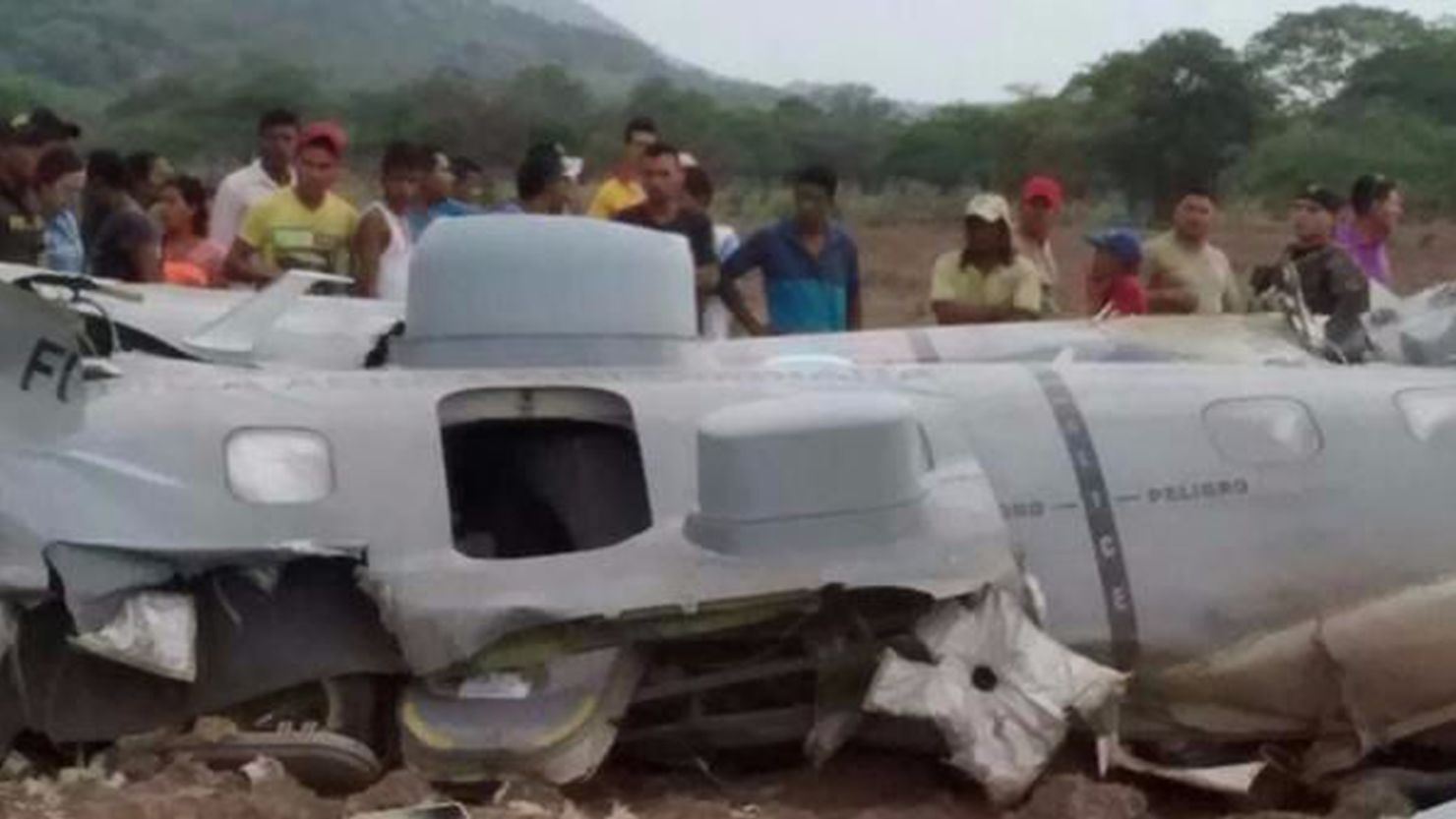
A routine takeoff in Colombia turned into a nightmare when a military transport plane slammed into the ground, leaving one person dead and sending 77 others to the hospital. It’s the kind of headline that stops you cold. When a massive aircraft carrying dozens of service members fails just seconds after leaving the runway, it isn't just a mechanical failure. It’s a systemic alarm bell.
Most people see these reports and think of them as isolated tragedies. They aren't. Military aviation in South America operates under a unique set of pressures—aging fleets, difficult terrain, and the constant high-tempo demand of internal security operations. This latest crash involving a Colombian Air Force (FAC) vessel is a grim reminder that even the most elite pilots can’t always overcome a "cascade of failures."
What We Know About the Initial Impact
The aircraft, a CASA C-295 transport plane, reportedly suffered an engine issue or a sudden loss of lift shortly after departing from a base in the central part of the country. If you’ve ever watched a heavy transport plane take off, you know the margin for error is razor-thin. They need every bit of thrust to fight gravity. When one engine goes or the air speed drops below a critical threshold, the plane becomes a multi-ton brick.
Local emergency responders and military SAR (Search and Rescue) teams were on the scene within minutes. The wreckage was a mangled mess of aluminum and debris. While one life was lost—a tragedy that hits the tight-knit Colombian military community hard—the fact that 77 people survived is nothing short of a miracle. Or, more likely, it's a testament to the airframe's crashworthiness and the pilot's last-second efforts to "pancake" the plane rather than nose-diving.
Medical facilities in the region were immediately overwhelmed. You don't just "check in" 77 trauma patients at once. Triage units had to prioritize those with spinal injuries and internal bleeding, while others with burns and fractures waited in hallways. It was chaos, but controlled chaos.
Why Military Planes Crash More Often Than You Think
People often compare military flight safety to commercial airlines like Delta or Avianca. That’s a mistake. It’s like comparing a Formula 1 car to a city bus. Commercial flights operate in highly regulated, "clean" environments with massive maintenance budgets. Military planes? They fly "hot."
- Cycles and Stress: These planes are often pushed to their structural limits. They land on unpaved strips, carry maximum loads, and fly in weather that would ground a Boeing 737.
- Maintenance Lag: Colombia has been modernizing, but parts for older European or American-made frames can be hard to source quickly. Mechanics do incredible work, but they can't fix metal fatigue with sheer will.
- The Takeoff Window: Statistically, takeoff and landing are the most dangerous phases of flight. In this specific Colombian crash, the plane was at its heaviest—full fuel tanks and a cabin packed with personnel. There's no altitude to trade for time.
I’ve seen dozens of these reports over the years. Usually, the public focus stays on the "one dead" or the "77 injured." But the real story is usually found in the maintenance logs from six months ago. Was there a recurring vibration? Was a sensor replaced with a refurbished part? These are the questions the Colombian Civil Aeronautics authority and military investigators are digging into right now.
The Mental Toll on Survivors
Let's talk about those 77 people in the hospital. Physical wounds heal. The skin grafts and the broken femurs will eventually mend. But the psychological impact of being inside a fuselage as it tears through trees and hits the earth is a different beast entirely.
In many military cultures, there's still a "tough it out" mentality. But you can't tough out a post-traumatic response. Survivors of high-impact crashes often report a "warping" of time—seconds feeling like hours as the cabin fills with smoke and the sound of rending metal. Colombia’s military health system now faces the massive task of providing long-term psychiatric care for an entire platoon's worth of soldiers at once.
Investigating the C-295 Airframe
The CASA C-295 is generally considered a workhorse. It’s used by dozens of countries for everything from paratrooper drops to medical evacuations. It’s not a "flimsy" plane. This makes the crash even more concerning for the Colombian Ministry of Defense. If a reliable platform like the C-295 fails, you have to look at two things: fuel quality or catastrophic bird strikes.
Sometimes, it’s as simple as a "hot start" damaging an engine turbine or a flock of birds being sucked into the intake. In the tropics, bird strikes are a constant, terrifying reality. One vulture can take down a plane that costs $30 million.
What Happens Next for Colombian Aviation
The Colombian government has already grounded similar flights until a preliminary "black box" analysis is finished. They have to. You can't risk another 80 lives while the cause is unknown.
If you're following this story, watch the news for the "preliminary report" usually released within 30 days. That’s where the fluff gets stripped away. It will mention things like "density altitude" or "engine torque readings." That's the real data.
For the families of the 77 injured, the road is long. For the family of the one who didn't make it, it's a hole that won't be filled. We should demand better oversight of military maintenance contracts in South America. It’s easy to buy a shiny new plane; it’s much harder to fund the boring, everyday maintenance that keeps it in the sky.
If you want to support those affected, look toward organizations like the Colombian Military Forces' wounded warrior programs. They’re going to be busy for the next few years. Pay attention to the technical findings—don't just settle for the "engine failure" soundbite. Demand the "why."