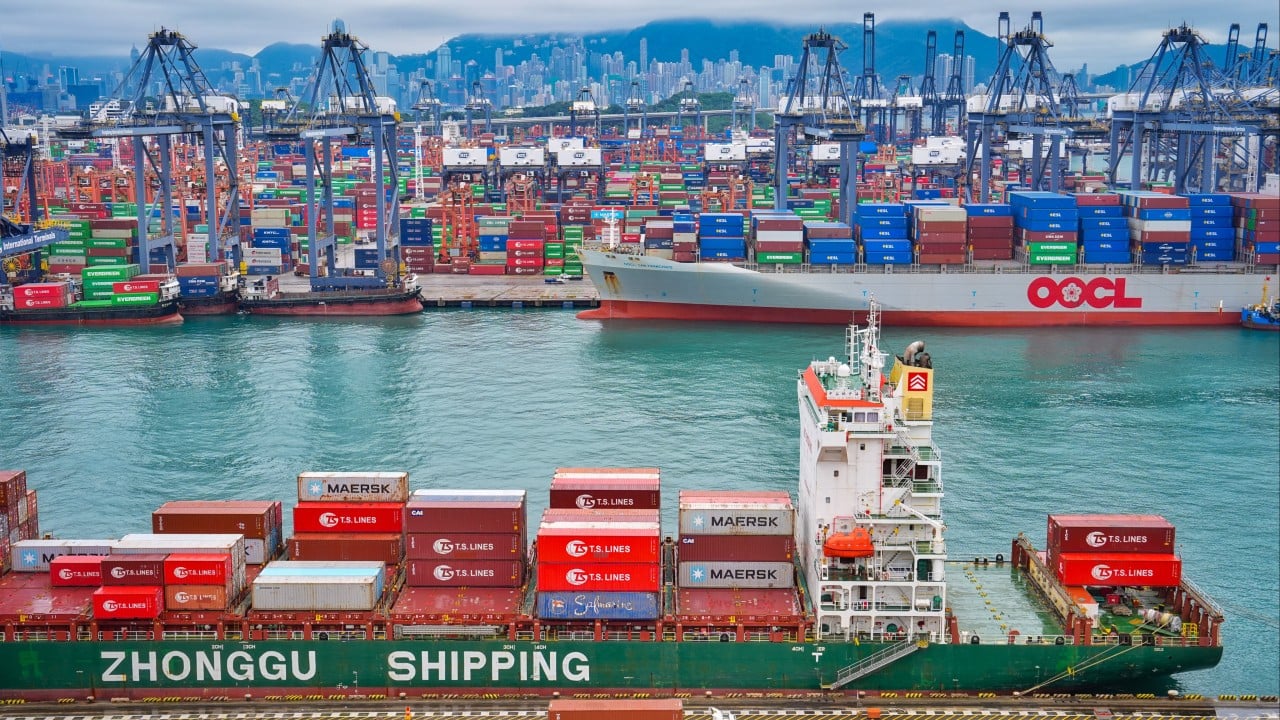
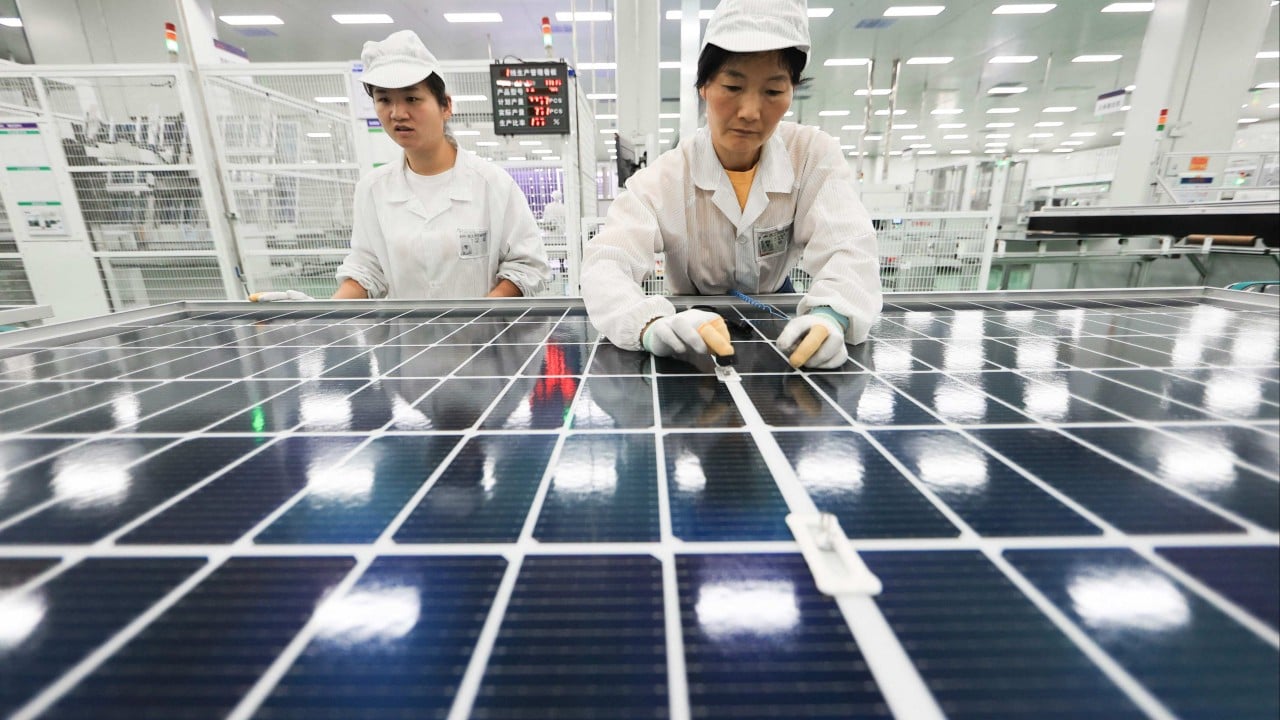
Europe is tired of watching its factories move to Ohio or Anhui. On Wednesday, the European Commission finally dropped the hammer with its Industrial Accelerator Act (IAA), a legislative package meant to force a "Made in EU" reality onto a continent that’s been bleeding industrial jobs for decades. It’s a massive shift in doctrine. For years, Brussels was the high priest of free trade. Now, it’s acting like a nervous parent, building a picket fence around its green-tech and heavy industry sectors.
The goal is ambitious: the EU wants manufacturing to hit 20% of its GDP by 2035. Right now, it’s hovering around 14%. To bridge that gap, the Commission is introducing hard local-content requirements. If you want a slice of public money or a government contract for electric vehicles, wind turbines, or solar panels, you’d better make sure a huge chunk of those parts comes from within the 27-nation bloc.
The end of the open market era
Stéphane Séjourné, the EU’s industrial strategy chief, didn't mince words. He called this a "change in doctrine." It’s a polite way of saying the old rules didn't work. The US has the Inflation Reduction Act (IRA), and China has been subsidizing its way to global dominance for years. Europe was the last one standing at the door with a copy of a free-trade manual that everyone else had already tossed in the trash.
The IAA targets specific "strategic" sectors that are currently under siege:
- Electric Vehicles (EVs): Public bodies might soon be required to buy cars where at least 70% of the value is "Made in EU."
- Green Energy: Batteries, solar PV, and wind power get similar protection.
- Heavy Industry: Steel, cement, and aluminum producers will see public contracts steered toward low-carbon versions of their products, favoring local plants.
The logic is simple. If the EU is going to spend billions on the green transition, it wants that money to stay in European pockets. It’s about job preservation. Officials estimate this could save or create 150,000 jobs in the clean-tech sector alone. But there’s a catch. Shielding your industries from competition usually makes things more expensive.
Why Made in Europe is a risky bet
Not everyone in Brussels is cheering. Germany, the continent's industrial engine, spent months trying to water this down. They preferred a "Made with Europe" approach—one that included trusted allies like the UK or Japan. They worry that if the EU gets too protectionist, it’ll trigger a trade war it can't win.
The British Chambers of Commerce are already sounding the alarm. Since the UK is now a "third country," British firms could be squeezed out of European supply chains. If a French car manufacturer needs a 70% EU-made quota to get a subsidy, they might ditch a UK-based parts supplier for a slightly more expensive one in Poland just to tick the box.
There’s also the China problem. Beijing has already called these moves "hypocritical mimicry." They’ve spent twenty years perfecting the art of local-content requirements. If the EU locks Chinese solar panels out of public tenders, don’t be surprised if China retaliates by cutting off the rare earth minerals Europe needs to build those very same panels and batteries. It’s a high-stakes game of chicken.
Foreign investment with strings attached
The IAA isn't just about blocking imports. It’s about controlling how foreign companies operate on European soil. If a foreign firm (think a Chinese battery giant) wants to invest more than €100 million in an EU plant, they now face strict conditions:
- Majority Ownership: In some sectors, foreign ownership is capped at 49%.
- Employment: At least 50% of the workforce must be European.
- Tech Transfer: Companies must share their know-how with local partners.
This is a direct page from the Chinese playbook. It’s designed to stop "screwdriver plants"—factories that just assemble foreign parts using foreign software and ship the profits home. The EU wants the brains of the operation, not just the hands.
Cutting through the green tape
One of the few things everyone agrees on is that European bureaucracy is a nightmare. It can take years to get a permit for a new battery factory. The IAA promises to fix this by introducing "Industrial Acceleration Areas." These are basically special economic zones where the rules are thinner and the permits are faster.
The Act mandates a "single digital process" for permitting. No more trekking between five different government offices to get a stamp. If a project is labeled "strategic," the goal is to get it through the system in under 12 months. Honestly, it’s about time. While Europe was busy writing regulations, the rest of the world was busy pouring concrete.
What this means for your business
If you’re a manufacturer or a supplier in the EU, the landscape just shifted. It’s no longer just about being the cheapest; it’s about being the most "European."
You need to audit your supply chain immediately. If you’re relying on 60% Chinese components for an EV part, you might soon find yourself ineligible for government contracts. Transitioning to local suppliers will be expensive, but the IAA is designed to make not transitioning even more costly.
Keep an eye on the "reciprocity assessment" coming later this year. The EU will decide which countries are "in" and which are "out." If you trade heavily with the US or India, your market access could depend entirely on whether those countries play ball with Brussels’ new rules.
Stop waiting for the old trade rules to come back. They aren't. Your next move should be mapping out how to hit these local-content thresholds before the 2026 deadlines start biting. Focus on building partnerships within the "Industrial Acceleration Areas" to take advantage of the fast-track permitting. The fence is going up—make sure you're on the right side of it.