European equity markets are currently buckling under the weight of a crude oil floor that refuses to drop below $100 a barrel. While surface-level analysis suggests a simple inverse correlation between energy costs and stock prices, the reality is far more structural and damaging. We are witnessing the systematic erosion of the European industrial base as energy-intensive sectors face an existential math problem they cannot solve through simple efficiency gains.
The STOXX Europe 600 didn’t just slip on a whim. It is reacting to the realization that high energy prices are no longer a temporary spike but a permanent tax on European productivity. When Brent crude maintains a triple-digit price tag, it acts as a massive vacuum, sucking liquidity out of consumer discretionary spending and shoving it into the balance sheets of state-owned energy giants and upstream producers. For a continent that imports the vast majority of its fossil fuels, this is a pure wealth transfer. There is no "silver lining" here.
The Margin Squeeze and the Myth of Pricing Power
For months, analysts hoped that European firms could pass costs down the line. That hope is dying. In the manufacturing hubs of Germany and Northern Italy, the "Mittelstand" companies that form the backbone of the regional economy are hitting a ceiling. You can only raise the price of a precision-engineered valve or a chemical compound so many times before your global customers look toward subsidised markets in North America or China.
The current market downturn reflects a shift from inflation worries to margin compression fears. It is one thing to deal with expensive components; it is another to operate a factory where the utility bill exceeds the payroll. Investors are pulling back because they see the "earnings beat" of the last quarter as a trailing indicator. The leading indicators—factory orders and purchasing manager indices—are flashing a deep, cautionary red.
Why Triple Digit Oil Hits Europe Harder
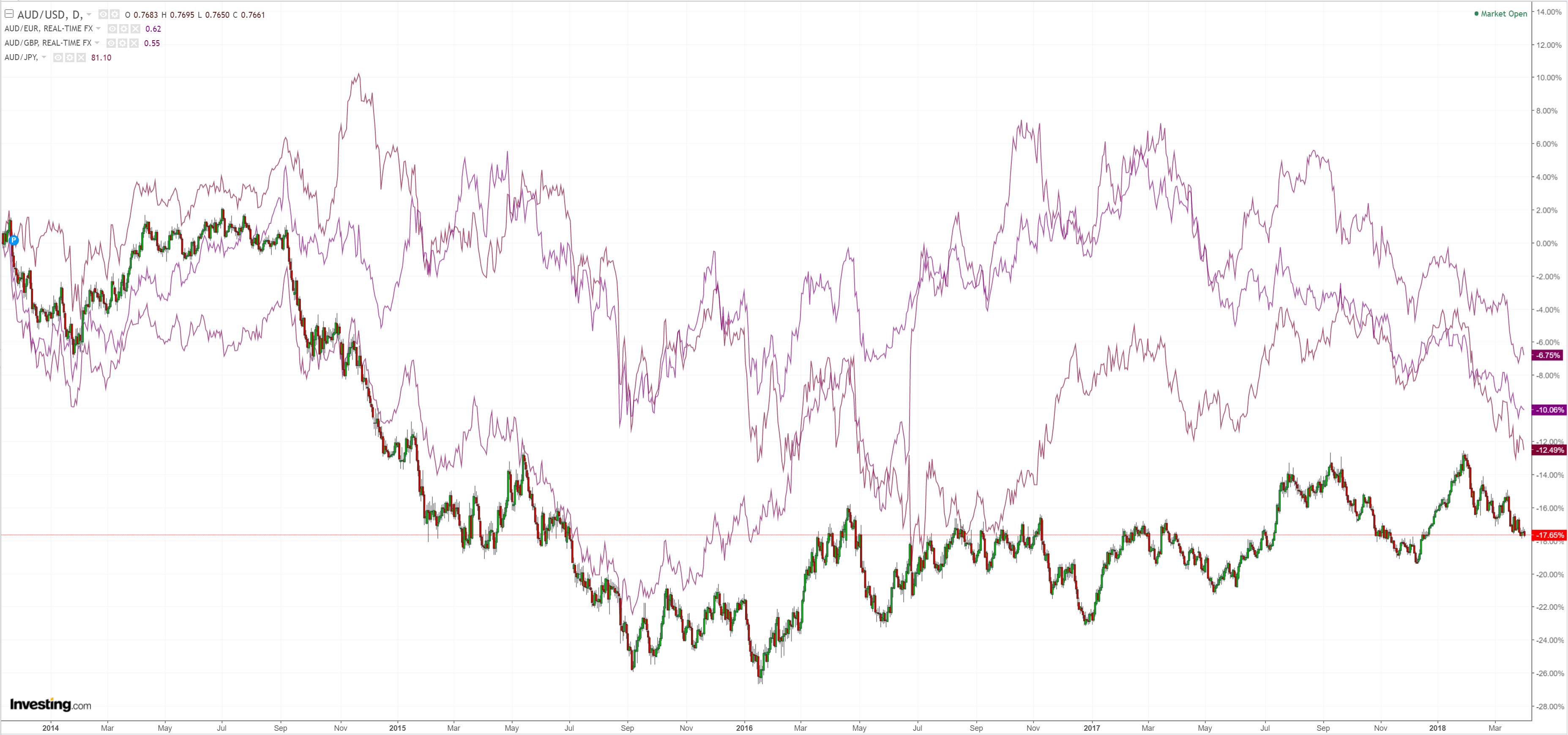
Unlike the United States, which enjoys a degree of energy independence thanks to shale, Europe remains at the mercy of global supply chains and geopolitical whims. When oil stays above $100, the Euro usually suffers. This creates a double-whammy effect. A weaker Euro makes dollar-denominated oil even more expensive for local refineries.
This feedback loop is what keeps the floor high. It isn't just about supply and demand in the physical market. It is about the currency-energy nexus that punishes the Eurozone every time the oil market gets tight.
The Great Industrial Migration
We are beginning to see the first ripples of what could become a tidal wave of industrial flight. If energy prices do not stabilize well below these levels, the incentive for heavy industry to remain in Europe vanishes. We aren’t just talking about aluminum smelters, which are already flickering off. We are talking about the automotive supply chain and the pharmaceutical giants.
The Capital Flight Reality
Capital is a coward. It goes where it is protected and where it can grow. Currently, the risk-adjusted return on European equities is being decimated by energy volatility. Institutional investors are shifting allocations toward markets with lower "energy beta." This isn't a temporary trade. It is a fundamental reallocation of global wealth.
- Chemicals and Plastics: Operating at 60% capacity because the feedstock is too expensive.
- Logistics: Surcharges are being eaten by the providers because the end-consumers are tapped out.
- Retail: Discretionary income is being diverted to heating and transport, leaving the high street empty.
The markets are trading lower because they are pricing in a period of stagflation that looks increasingly sticky. The European Central Bank is trapped between a rock and a hard place. They cannot lower rates to stimulate growth because that would further weaken the Euro and drive up energy costs. They cannot raise rates too aggressively without crushing the debt-laden southern economies.
The Geopolitical Stranglehold
Supply remains the primary driver. Opec+ has shown zero interest in bailing out Western consumers. Their internal fiscal breakeven points have risen, and they are enjoying the windfall. Meanwhile, the strategic petroleum reserves in the West are being depleted with little to show for it in terms of long-term price suppression.
Every time a headline suggests a de-escalation in global tensions, the price dips for an hour before the structural deficit reasserts itself. There is simply not enough spare capacity in the system to bring oil back to the $70 range without a global recession. The market knows this. Traders are no longer selling the news; they are selling the reality.
Defensive Posturing Isn't Working
In previous cycles, investors would rotate into "defensive" stocks like healthcare or utilities. But in this environment, even the defensives are under fire. Utilities are facing government-imposed price caps and windfall taxes. Healthcare companies are seeing their shipping and raw material costs skyrocket. There is no place to hide when the basic input of the entire global economy—energy—is being repriced at a premium.
The Technical Breakdown
Looking at the charts, the support levels that held up during the initial shocks are beginning to crumble. This suggests that the "buy the dip" mentality has finally been replaced by "sell the rip." Professional desks are looking for any sign of a rally to exit positions rather than build new ones.
The volatility index for European equities is skewed toward the downside. This isn't a panic; it's a controlled liquidation. Large funds are slowly reducing their exposure to European industrials and moving into cash or commodities. They are literally selling the companies that use oil to buy the oil itself.
The Debt Problem
We must also consider the corporate debt market. Many European firms loaded up on cheap debt during the era of negative interest rates. As those bonds come up for refinancing, the companies are doing so in an environment where their primary cost (energy) is at a decade high and their borrowing costs have tripled. This is a solvency crisis in slow motion.
The equity markets are the canary in the coal mine. They are falling because the math for corporate survival in Europe has fundamentally changed. A company that was profitable at $60 oil might be a zombie at $105.
The Infrastructure Lag
Europe’s transition to renewables was supposed to be the shield against this. However, the transition is in a messy middle phase. The old fossil fuel infrastructure is being phased out or starved of investment, but the new green infrastructure isn't yet capable of providing the "baseload" power needed to keep industry competitive. This gap is being filled by expensive, imported LNG and high-priced oil.
The market is reacting to this "gap risk." Investors realize that the path to energy security is paved with years of high costs and massive capital expenditure. This CAPEX has to come from somewhere, and it usually comes at the expense of dividends and share buybacks.
Redefining Value in a High Cost Era
The days of assuming cheap energy as a constant are over. Moving forward, the only European companies that will survive this gauntlet are those with absolute pricing power or those that can radically decouple their production from fossil fuel inputs. For everyone else, the stock price reflects a slow grind downward.
Watch the credit spreads on industrial bonds. If they continue to widen while oil stays above $100, the equity market has much further to fall. This isn't a "correction" in the traditional sense; it is a structural repricing of an entire continent's economic viability. Check your portfolio for companies that rely on high-volume, low-margin exports. They are the most vulnerable to this new reality where the energy floor has been permanently raised.