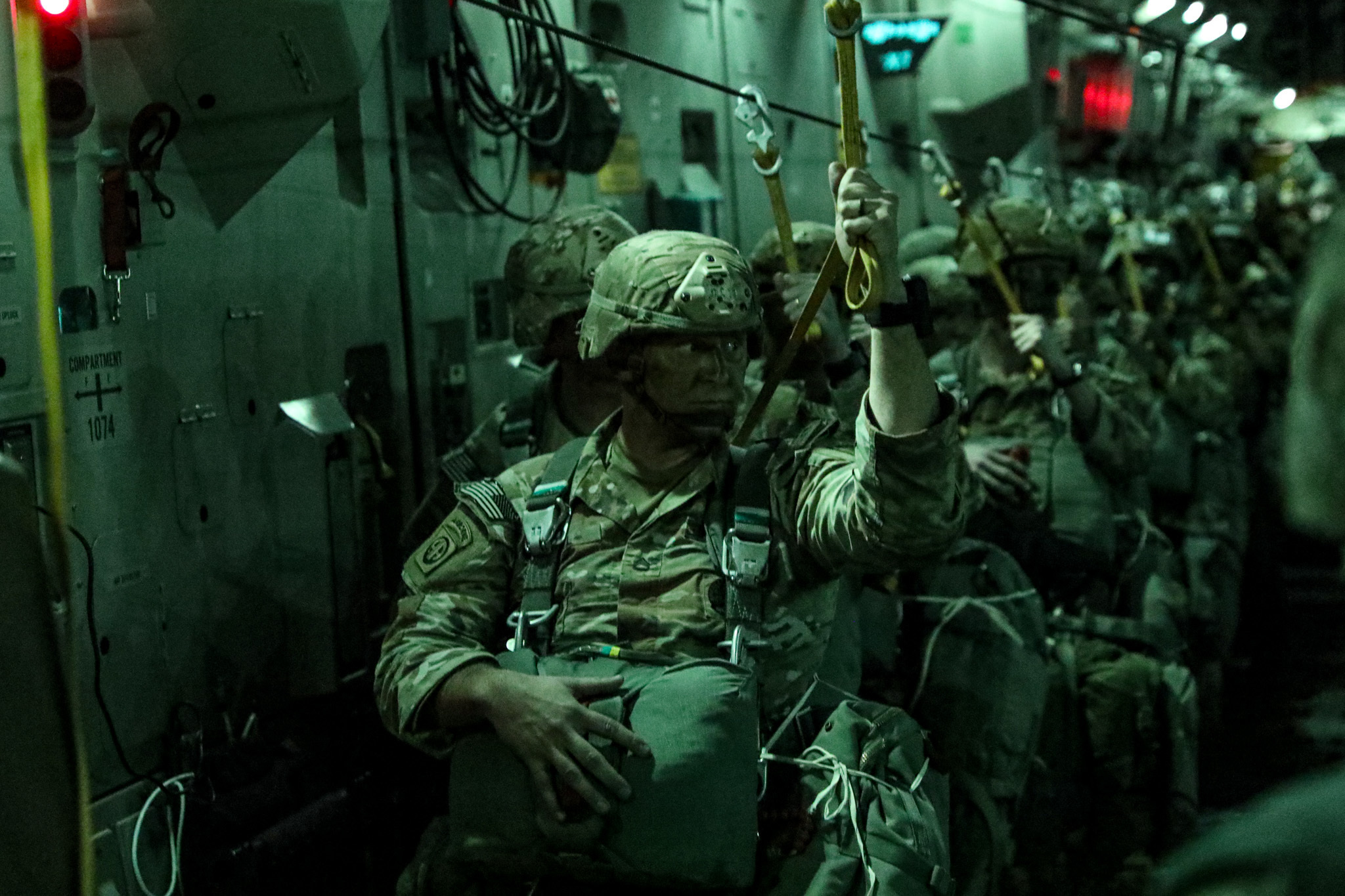
The announcements follow a predictable script. A military spokesperson steps up to the podium. A high-resolution photo of a targeted individual is displayed with a red cross location marker. The headline flashes across global news feeds: another mastermind, commander, or high-ranking operative has been eliminated. The immediate commentary treats the event as a decisive blow, a turning point that will cripple the adversary's operational capacity and bring an end to the conflict closer.
This is a fundamental misunderstanding of asymmetric warfare. Discover more on a similar issue: this related article.
The conventional fixation on decapitation strikes—the targeted killing of leadership figures—rests on a flawed premise. It treats highly decentralized, ideologically driven insurgencies as if they were corporate hierarchies or traditional state armies. In a standard corporate matrix, removing a CEO can cause temporary paralysis. In a professional military, breaking the chain of command disrupts coordinated maneuvers. But an insurgency is an organism designed from its very inception to survive, adapt, and replicate in the absence of centralized control.
The Replacement Myth and Institutional Memory
Mainstream reporting consistently frames leadership losses as irreplaceable blows to an organization's infrastructure. This perspective ignores the mechanics of how modern militant groups operate. These entities do not function via a singular, irreplaceable brain. They function via institutionalized systems, shared operational doctrine, and a deeply entrenched pipeline of mid-level commanders waiting for advancement. Additional reporting by TIME highlights comparable views on the subject.
When a senior commander is removed, the immediate tactical impact is rarely a vacuum. Instead, it triggers an internal succession process that has often been rehearsed and planned for months, if not years. Militant organizations operating under constant surveillance and targeted pressure expect their leadership to have short lifespans. Survival dictates that knowledge, authority, and tactical plans are distributed rather than centralized.
Data from decades of counter-insurgency campaigns across the globe demonstrates that leadership decapitation rarely correlates with the permanent degradation of a group's operational capabilities. In many instances, the elimination of an older, more cautious commander clears the path for a younger, more radical, and technologically adept successor eager to prove their efficacy through increased violence. The assumption that removing the individual removes the threat is a comforting illusion that substitutes tactical success for strategic victory.
Asymmetric Networks vs. Hierarchical Structures
To understand why this approach fails to achieve long-term stability, one must analyze the structural differences between a state military and a non-state armed group.
| Attribute | State Military Hierarchy | Asymmetric Insurgent Network |
|---|---|---|
| Command Structure | Top-down, rigid, centralized | Decentralized, modular, autonomous cells |
| Vulnerability to Decapitation | High; disrupts broad logistical and strategic coordination | Low; cells operate independently based on shared intent |
| Adaptability Rate | Slow; bound by bureaucracy and formal protocols | Rapid; responds immediately to local environmental changes |
| Primary Resource | State funding, heavy weaponry, formalized infrastructure | Local integration, ideological commitment, asymmetric tactics |
A bureaucratic military relies on continuous, secure communication lines from the top down to execute coordinated strategies. If you sever the top, the bottom stalls. An asymmetric network operates on a franchise model. Local cells require no daily orders from a central command post to conduct operations. They understand the overarching objective, possess localized resources, and retain the autonomy to strike when conditions are favorable.
Targeting a specific commander alters the face of the opposition, but it leaves the underlying network, the logistical pathways, the local support structures, and the motivating ideology completely intact.
The Illusion of Measurable Progress
Why, then, do state militaries and international media remain obsessed with these high-profile eliminations? Because they offer measurable metrics in an otherwise murky, protracted conflict where traditional markers of victory—such as capturing territory or forcing a formal surrender—are absent.
In conventional warfare, progress is mapped. Lines move across a topography. In asymmetric conflict, progress is intangible. It involves degrading political willpower, shifting local allegiances, and disrupting illicit financing networks. These factors are incredibly difficult to quantify or explain to a public demanding clear results. A targeted strike offers an undeniable, photogenic data point. It provides a clean narrative arc: a specific bad actor was identified, tracked, and removed.
This focus on body counts and leadership tallies creates a dangerous feedback loop. It encourages tactical over-investment in high-value targeting at the expense of comprehensive strategic planning that addresses the socio-political drivers of the conflict. It treats the symptoms of the insurgency as the disease itself.
The Friction of Kinetic Success
Every tactical action carries strategic consequences, many of which are counter-productive to the ultimate goal of neutralization. The reliance on kinetic strikes to eliminate key figures frequently generates structural friction that hardens the adversary's resolve.
First, these operations often result in collateral damage or severe disruption to civilian populations, creating grievances that serve as the primary recruitment tool for the next generation of fighters. The operational vacancy created by a missile strike is quickly filled by individuals whose radicalization was accelerated by the very methods used to conduct the strike.
Second, persistent targeting forces the surviving elements of an organization to evolve. They adopt stricter operational security, migrate to deeper underground networks, abandon electronic communications entirely, and decentralize their command structures even further. The adversary becomes leaner, harder to detect, and more resilient against future intervention. You are essentially running an unintended evolutionary selection process, weeding out the careless commanders and leaving behind the most disciplined, paranoid, and dangerous operatives.
Redefining the Parameters of Degradation
True degradation of an asymmetric threat cannot be achieved through a series of tactical assassinations. It requires dismantling the structural components that allow the organization to exist in the first place.
This means cutting off the illicit financial flows that fund operations, interdicting the supply chains that provide material support, and contesting the information environment that drives recruitment. More importantly, it requires addressing the political and security vacuums that allow non-state actors to establish governance and legitimacy among local populations.
As long as the underlying drivers remain—the weapons flow freely, the funding mechanisms endure, and the core ideology remains unaddressed—the removal of any single commander is merely a temporary pause in a continuous cycle. The organization will adapt, the ranks will close, a new face will appear on the target list, and the cycle will repeat. Tactical precision cannot compensate for a strategic void. Stop measuring success by the names crossed off a list, and start measuring it by the systemic dismantling of the network that creates them.