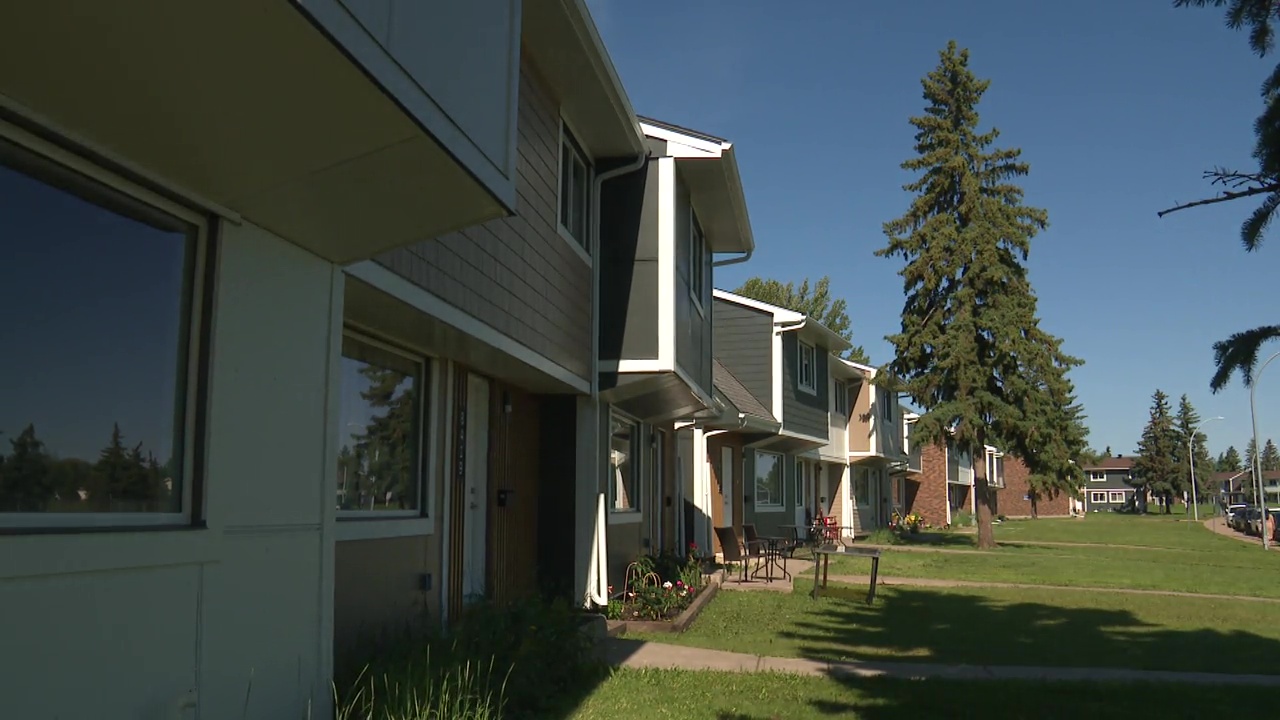
The ribbon-cutting ceremonies are over. The press releases have been copied and pasted by compliant local media. Edmonton is celebrating the completed renovation of 882 affordable housing units, framed as a massive victory for social infrastructure and urban equity.
It is a lie. Or, at best, a profound misunderstanding of economic reality.
We are told that preserving old housing stock through state-subsidized retrofits is a triumph of sustainability and fiscal responsibility. Politicians love it because it gives them a tangible backdrop for a photo op without the messy, long-term political warfare of rezoning or building new supply. But if you peer past the fresh paint and the energy-efficient windows, you find a strategy that actively locks low-income residents into subpar environments while choking the broader housing market.
I have spent nearly two decades analyzing real estate development cycles and municipal budget allocations. I have watched cities sink hundreds of millions into aging, structurally compromised buildings under the guise of "preservation," only to realize they paid new-construction prices for a band-aid solution.
Edmonton’s latest project isn't a blueprint for success. It is a cautionary tale of how the lazy consensus in urban planning prioritizes optical fixes over systemic cures.
The Cost Efficiency Myth
The core argument for renovating these 882 units is always fiscal prudence. Proponents argue that renewing an existing asset costs a fraction of building a new one from scratch.
That math only works if you stop counting the moment the contractors pack up their trucks.
When you renovate a building constructed forty or fifty years ago, you are bound by its original, outdated architectural DNA. You are keeping low ceilings, inefficient spatial layouts, and obsolete structural grids. More importantly, you are maintaining density caps that belong in the mid-20th century.
Consider the raw economic trade-offs:
- The Opportunity Cost of Land: A site that currently holds a sprawling, low-density three-story affordable housing complex could frequently support an eight-story mixed-income development. By choosing to renovate instead of redevelop, the city actively suppresses the total volume of housing units that could exist on that plot of land.
- The Embedded Maintenance Trap: A renovated HVAC system or a patched roof does not reset a building's lifespan to zero. Concrete degrades. Plumbing networks inside walls remain prone to failure. Within seven to ten years, the operational expenditures of these "renewed" buildings will spike right back to pre-renovation levels.
- The Subsidy Black Hole: Public money poured into retrofits acts as a wealth transfer to specialized contracting firms without creating a single net-new door. We are spending capital to stand completely still.
When we look at the real numbers, the per-unit cost of these deep retrofits frequently rivals the cost of stick-frame new construction when adjusted for the remaining lifecycle of the asset. We are buying a decade of compliance at the price of a half-century asset. It is bad business.
Why Quality of Life Cannot Be Retrofitted
The public narrative surrounding affordable housing renovations focuses heavily on "dignity" and "sustainability." We hear about new insulation and double-paned glass. What we don't hear about is the fundamental layout of poverty that these buildings enforce.
Many of these subsidized complexes were designed during an era of urban planning that sought to segregate low-income populations into distinct, isolated pockets. They are often cut off from transit corridors, lacking ground-floor commercial spaces, and designed with institutional aesthetics that reinforce social stigmas.
Painting the walls and swapping the appliances does not fix a neighborhood's structural isolation.
True housing dignity does not come from a newer thermostat inside an isolated enclave. It comes from integration. It comes from mixed-use developments where a subsidized unit sits next to a market-rate unit, down the hall from a grocery store, a block away from a high-frequency transit line.
By anchoring these 882 units in their historical, isolated footprints, Edmonton is ensuring that the socio-economic status quo remains completely undisturbed. It is a preservation of the past, not an investment in the future.
Dismantling the Supply Fallacy
People often ask: If we don't preserve the affordable housing we already have, where will these people go during the years it takes to build something new?
This is a valid operational hurdle, but using it to justify permanent stagnation is intellectual laziness. The answer is not to abandon the tenants; the answer is to shift the capital allocation model from asset ownership to demand-side assistance.
Instead of sinking millions into the physical brick-and-mortar of an obsolete building, that same capital can be deployed via direct, long-term housing vouchers that allow tenants to enter the private market immediately. This achieves two things simultaneously: it gives the tenant immediate geographic mobility, and it allows the municipality to sell or lease the underutilized land to private developers who can build high-density, mixed-income towers at their own expense.
Let's look at how the mechanics of a smarter model operate versus the current status quo:
| Metric | The Renovation Model (Status Quo) | The High-Density Redevelopment Model |
|---|---|---|
| Net Unit Creation | Zero. The unit count remains exactly the same. | High. Density can double or triple on the same footprint. |
| Capital Risk | Absorbed entirely by taxpayers and public funds. | Shifted largely to private developers via public-private partnerships. |
| Urban Integration | Low. Maintains historical enclaves of concentrated poverty. | High. Integrates subsidized units into market-rate buildings. |
| Long-Term Liability | The city remains responsible for a decaying asset. | The city regulates an asset owned and maintained by the market. |
The counter-argument here is obvious: the private market cannot be trusted to maintain affordable units over the long term. And that is entirely true if you write lazy contracts. But smart municipal governments use inclusionary zoning and tax-incentive covenants that mandate a specific percentage of affordable units for 30, 40, or 50 years, backed by private capital maintenance schedules.
The Brutal Truth About Municipal Inertia
Why does Edmonton—and almost every other major Canadian city—continue to choose the renovation path despite the flawed long-term economics?
Because it is politically frictionless.
Building new high-density housing requires navigating a gauntlet of NIMBYism, zoning boards, and public hearings. Neighbors show up to protest density, traffic, and the changing character of their communities. It takes years of political capital to clear a single site for a new tower.
A renovation requires none of that. It bypasses the zoning board because the building already exists. It doesn't trigger neighborhood protests because nothing is changing on the skyline. It is the path of least resistance for a bureaucracy that prioritizes avoiding conflict over solving systemic crises.
We have normalized a system where saving an old building is viewed as an inherent moral good, completely uncoupled from the utility of that building. We are treating mid-century public housing projects like heritage architecture when we should be treating them as obsolete infrastructure.
Stop celebrating the preservation of old ideas. Stop measuring progress by the number of units we managed to patch up for another few seasons. Until we find the political courage to tear down the old footprints and build dense, integrated, modern capacity, we are just financing our own stagnation.
Clear the site. Build more doors. Anything less is just a coat of paint on a sinking ship.